by admin | Sep 4, 2024 | arts and humanities
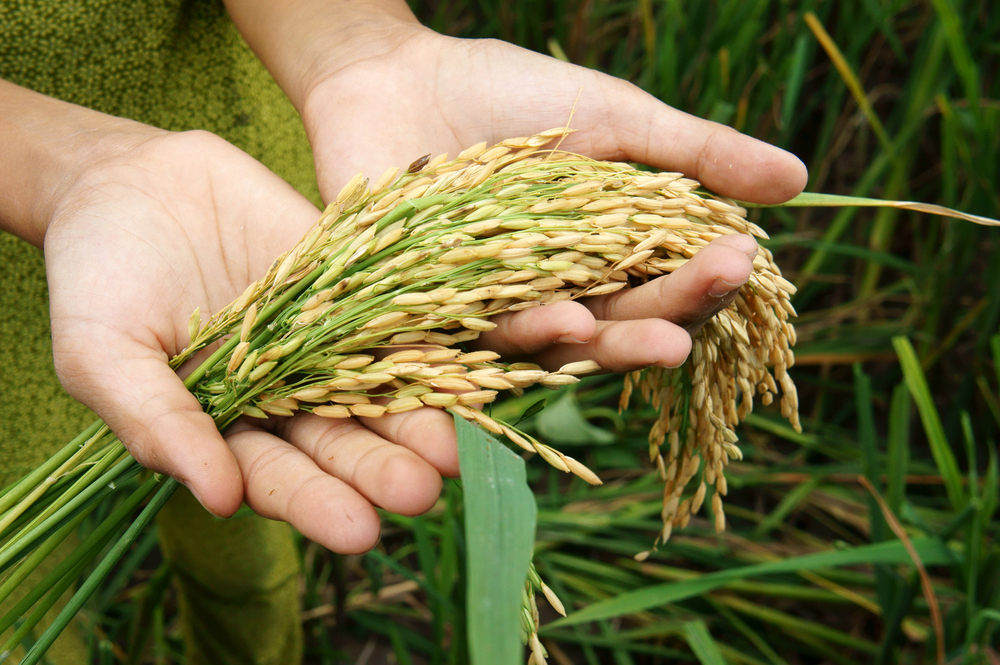
Darwin identified fire and language as the key elements of human progress. Professor Elliot Berry, of the Hebrew University of Jerusalem, argues that nutrition and food security are equally vital for cultural evolution. He is a Specialty Chief Editor of Frontiers in Nutrition – Nutrition and Sustainable Diets, and an Editor of the three volume Encyclopaedia of Food Security and Sustainability. Berry explains that food security supports the development of sociotypes, which describe how individuals interact within society, and emphasizes their importance, especially amid global crises, for sustainable development and public health. He advocates that we recognize food security as a fundamental human right and incorporate sociotype concepts in medicine and public health.

by admin | Aug 28, 2024 | arts and humanities
When Russia launched its full-scale invasion of Ukraine in February 2022, the European Union faced a crisis that demanded a swift and unified response. A new study by Professor Elena Baracani from the University of Bologna examines how Ursula von der Leyen, President of the European Commission, used her leadership role to shape the EU’s reaction during the crucial first 10 weeks of the conflict.

by admin | Aug 20, 2024 | arts and humanities
Ever wondered why letters look the way they do? Dr Hana Jee at York St John University in the UK investigates intriguing connections between how languages sound and how they are written. Using a number of methodologies, she has conducted innovative research to quantify these relationships. Her work began with Korean Hangul, a writing system intentionally designed to be highly logical and systematic. Dr Jee has since expanded her research to include diverse scripts like Arabic, English, Hebrew and many others. Her findings suggest unexpected patterns across writing systems, opening several fascinating future research avenues.

by admin | Aug 12, 2024 | arts and humanities, business and economy
The European Parliament has the ability to play a key role in shaping the European Union’s international agreements. But how exactly does it get involved in these complex negotiations? Researcher Marine Bardou from the University of Louvain has conducted a comprehensive study to answer this question, revealing surprising patterns in the Parliament’s activities.

by admin | Aug 6, 2024 | arts and humanities
Laura Perucchetti and colleagues at the British Museum have uncovered a group of skilfully crafted counterfeit ancient coins that may be one of the earliest examples of forgers using scientific analysis to dupe collectors. By examining the composition of the coins and comparing them with genuine artefacts, experts believe the forgers deliberately used ancient metal to avoid detection. The findings highlight the long history of a cat and mouse game between forgers and analysts, and the need for vigilance in verifying the authenticity of even the most convincing pieces.

by admin | Jul 24, 2024 | arts and humanities, social and behavioural sciences
In a novel exploration of human radicalism, defined by governments as violent attacks, Dr Jerome Premmereur, a cardiologist and a clinical research expert based in the United States, draws on the philosophy of Baruch Spinoza to propose innovative solutions to the pressing societal issue of terrorism. His new book, “A Biological, Psychological and Philosophical Approach to Human Nature and Radicalism”, examines radicalism through the lens of human biology and Spinoza’s concepts, offering a comprehensive approach to understanding and mitigating extremism. Premmereur argues that radicalism is an inherent part of human nature, but can be addressed through a holistic strategy encompassing education, politics, balanced laws, healthcare, and economic stability. By revisiting ancient Greek democracy and applying Spinoza’s ideas to modern challenges, Premmereur presents an optimistic vision, although challenging in practice, to reduce extremism and create a better world.