
by admin | Jun 18, 2024 | arts and humanities
In 18th century Britain, the old tradition of deep bowing and curtseying as a form of greeting slowly evolved into a brief touch of the cap or head (for men), or quick bob of the body (for women). Simultaneously, a new form of urban greeting was emerging: the handshake. How and why did the handshake gain such popularity, becoming our most standard greeting today? This phenomenon is explored in a new essay published in the journal Urban History and authored by Professor Penelope Corfield of London University.
by admin | Jun 11, 2024 | arts and humanities
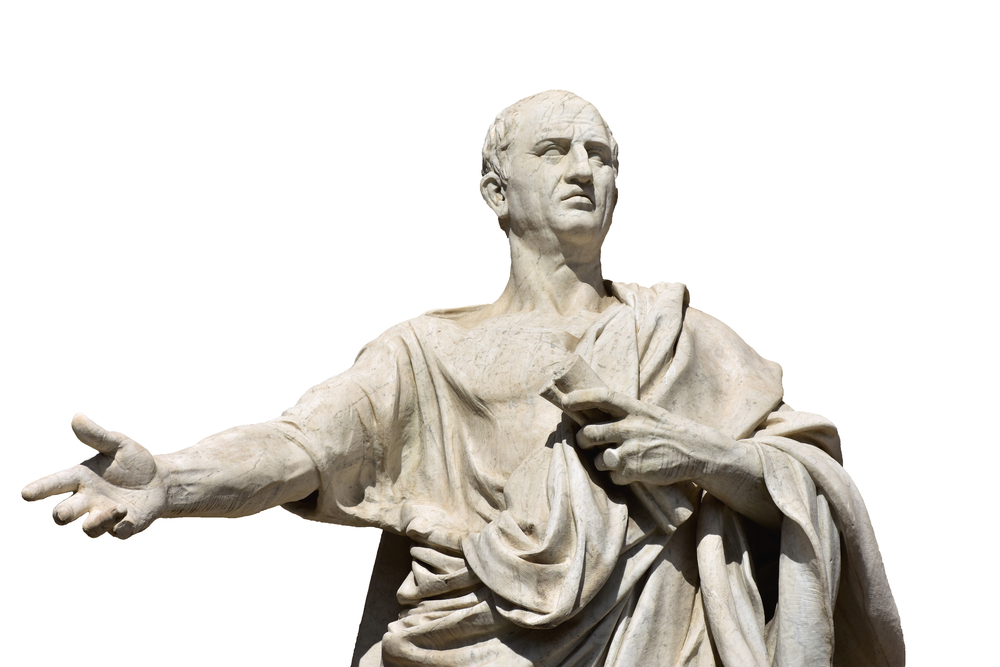
Since ancient Greek civilization, we have sought to identify what makes some people more effective and persuasive orators than others. Studies have suggested that this might be related to rhythmic patterns in certain speech, but evidence is limited. Dr. Ceccherini-Nelli of the University of Alberta conducted a study with his colleagues to explore this. They looked at the patterns present in political speeches and conducted experiments to determine their effects.
by admin | Apr 24, 2024 | arts and humanities, engineering and tech
Artificial intelligence – or AI – is receiving increasing attention for its rapid development and potential to change society. Researchers are working hard to develop its capabilities, while regulators are racing to ensure it is managed and governed properly. But what do we mean by AI, and how can we define such a complex term? In a recent paper, Professor Pei Wang at Temple University argues that the lack of an agreed definition makes it difficult for policymakers to assess what AI will be capable of in the near future, or even which kinds of AI are desirable. To combat this, he discusses what makes a robust definition, and suggests his own.

by admin | Mar 6, 2024 | arts and humanities, social and behavioural sciences
Policy decisions are influenced by many factors, from the ideology of the policymaker and their advisors to political expediency. Most would also agree that key political decisions should be evidence-based. However, this is easier said than done. Understanding what evidence policymakers need, and how they should evaluate this, is key for more robust decision-making.
by admin | Dec 20, 2023 | arts and humanities
The United Nations’ 17 Sustainable Development Goals outline the massive challenges humanity must face to survive on Planet Earth in the 21st Century. All knowledge and experiences accumulated by human societies across time and space could be essential to address these grand challenges. Thus, we should find a way to make this knowledge readily available wherever and whenever decision-makers, heritage stakeholders, and scholars might need it. Professor Andrea Nanetti, an award-winning and internationally recognised expert in Digital Humanities, recently published an open-access paper exploring the opportunities and challenges of using artificial intelligence and machine learning algorithms to leverage human heritage and empower societies to see beyond what is thinkable.

by admin | Jul 26, 2023 | arts and humanities, business and economy
The importance of the EU in global governance has been well researched. However, systematic analysis of the way it interacts with other international organisations has been side-lined. To address this gap, Axel Marx the University of Leuven and Oliver Westerwinter at the University of St. Gallen introduce a special issue of the Journal of European Integration. The research published in this issue explores how the EU interacts with different types of global governance institutions.