Multi-Sensory Tools for Autism – Lois Jean Brady and Matthew Guggemos, iTherapy LLC
Aug 31, 2018health and medicine, social and behavioural sciences
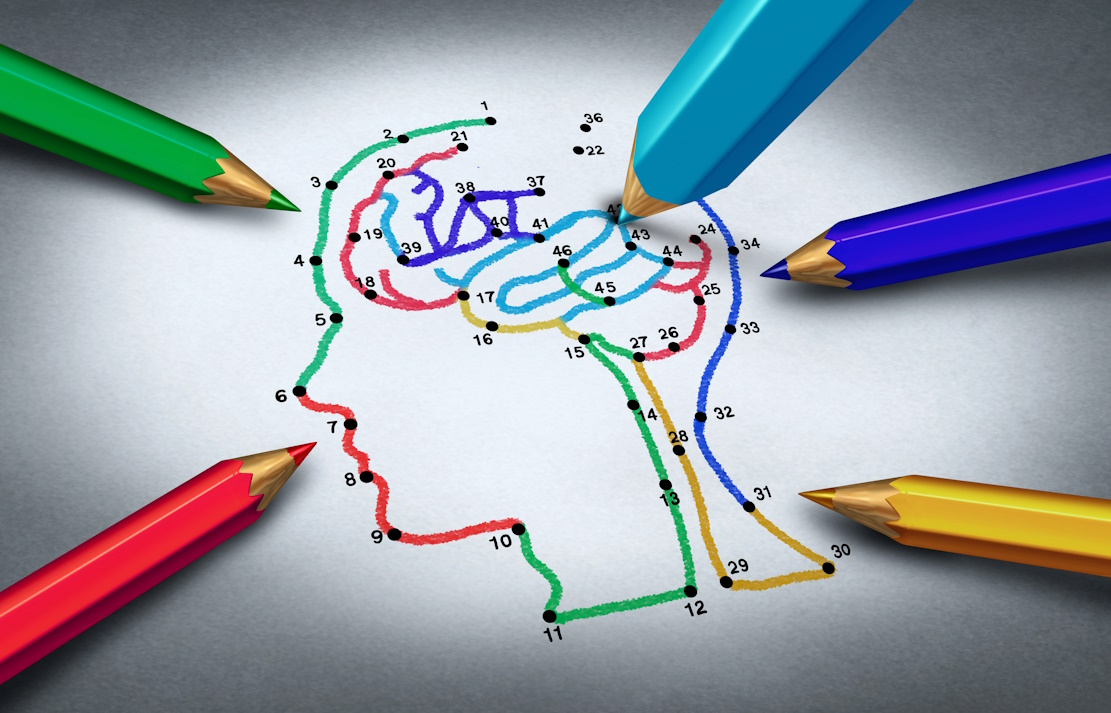
For children with autism, communication can be a challenge. Drawing from a wealth of clinical experience, speech pathologists Lois Brady and Matthew Guggemos at iTherapy, LLC are developing innovative, engaging multi-sensory communication tools with the aim of improving quality of life for individuals with autism.
You may also like …

Professor Thomas Münzel | Nicotine: The Molecule the Tobacco Industry Doesn’t Want You to Question
For decades, the story of tobacco and the heart seemed settled. Cigarettes were dangerous because they burned, releasing tar, carbon monoxide, and thousands of toxic chemicals that wrecked blood vessels. Remove the fire, the thinking went, and you remove almost all of the danger. That’s the logic behind heat-not-burn devices, e-cigarettes, and now nicotine pouches, each marketed, in turn, as the “safer” next step for people who can’t or won’t quit nicotine altogether.
Prof. Jean-Sébastien Delisle – Dr Mélanie Dieudé | The Medicine Is Ready. Is the Health System?
A medical breakthrough is only truly a breakthrough if it can reach the person who needs it. That simple idea sits at the heart of a rapidly growing challenge in cell therapy, gene therapy and regenerative medicine. These treatments are beginning to change what doctors can offer people with serious cancers, rare genetic conditions and other diseases once considered extraordinarily difficult to treat. Some therapies can reprogram a patient’s own cells to attack cancer. Others aim to repair or replace faulty biological instructions. Their promise can sound futuristic, yet the central problem is increasingly practical: how do we turn remarkable science into care that is affordable, timely and available to everyone who could benefit?
Prof. Yuben Moodley | Signals in the Scars: The Search for New Ways to Predict and Treat Lung Fibrosis
Breathing is so automatic that most of us notice it only when something goes wrong. Yet every breath depends on an extraordinarily delicate structure. Inside the lungs, tiny air sacs provide a vast, thin surface across which oxygen enters the blood. When that tissue is repeatedly injured, the body’s attempt to repair it can become part of the problem. Instead of restoring flexible lung tissue, repair processes may leave behind excessive scar tissue. As this fibrosis accumulates, the lungs become stiffer and less able to perform their essential task.
Prof. John Kopchick | Turning Off Cancer’s Growth Signal: The Unexpected New Life of a Growth Hormone Related Drug
When most of us hear “growth hormone,” we think of childhood, with bones lengthening, bodies developing, and the remarkable biological machinery that turns a small child into an adult. Growth hormone, or GH, deserves that reputation. Produced mainly by the pituitary gland, it helps regulate growth, metabolism, organ development and the production of another important messenger, insulin-like growth factor 1. Yet decades of research have revealed a more complicated story. The same signals that encourage healthy cells to grow and adapt can, in the wrong setting, help cancer cells survive.Because of these unanswered questions, researchers around the world continue searching for new ways to understand gravity. One intriguing contribution comes from Prof. Roberto Sussman and Dr. Sebastián Nájera of the National Autonomous University of Mexico, who have proposed a new gravity theory they denote as “Schouten–Codazzi Gravity”. Their work explores whether gravity might be described by a modified set of mathematical rules that remain closely connected to Einstein’s theory while opening the door to new possibilities.
Dr. Jerome Kim – Prof. Nicaise Ndembi | The future vaccine landscape: reaching more people with new technologies
For more than half a century, vaccines have quietly transformed human life. They have prevented suffering on a scale that is difficult to imagine, protecting millions of children from diseases that once claimed countless lives. Many of the most dramatic public health victories of the modern era have been built on vaccination. Diseases that once filled hospitals, overwhelmed families, and devastated communities became rare or disappeared entirely in many parts of the world. Yet vaccination now stands at a fascinating moment in history.
Prof. Lawrence Mulligan | The Heart’s Hidden Economy: Why Efficiency May Be the Next Frontier in Cardiovascular Health
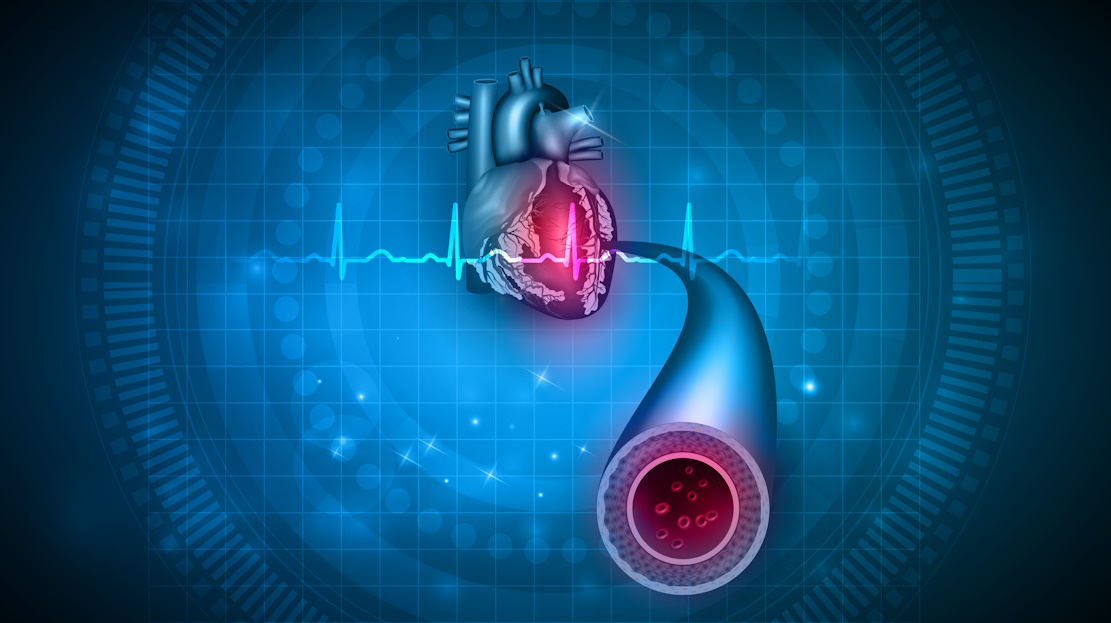
Every second of every day, your heart performs an extraordinary balancing act. Roughly the size of your fist, this remarkable organ contracts about 100,000 times each day, pumping thousands of litres of blood through an intricate network of vessels. It does so with astonishing reliability, rarely taking a break from the moment it first begins beating before birth until the end of life. Most of us think about the heart in simple terms. We measure its rate, check our blood pressure, or perhaps hear about blocked arteries and heart attacks. Doctors often assess how much blood the heart pumps with each beat or calculate the familiar “ejection fraction,” which estimates how well the heart empties during contraction. These measurements are valuable, but they tell only part of the story.
András Visegrády | Could a Growth Signal Hold a Clue to Autism? A New Hypothesis About Early Brain Development
Autism spectrum disorder is one of the most widely discussed neurodevelopmental conditions, yet many of its deepest biological mysteries remain unsolved. Scientists have identified hundreds of genes linked to autism, explored environmental influences, and documented patterns in early childhood development. Even so, no single explanation has successfully brought these different pieces together into one coherent picture.
Prof. Dharambir Sanghera | The Hidden Genetics of Type 2 Diabetes: What Indian Families Are Teaching Us About Disease Risk
Type 2 diabetes has become one of the defining health challenges of our time. Hundreds of millions of people worldwide are living with the disease, and the numbers continue to climb. While unhealthy diets, reduced physical activity, and increasing rates of obesity have all contributed to this growing epidemic, they tell only part of the story. Genetics also plays an important role, influencing why some people develop diabetes while others remain healthy despite living similar lifestyles.
Prof. Dr. Dietmar Thurnher | Von der Stille zum Überleben: 150 Jahre Laryngektomie und die Zukunft der Stimme
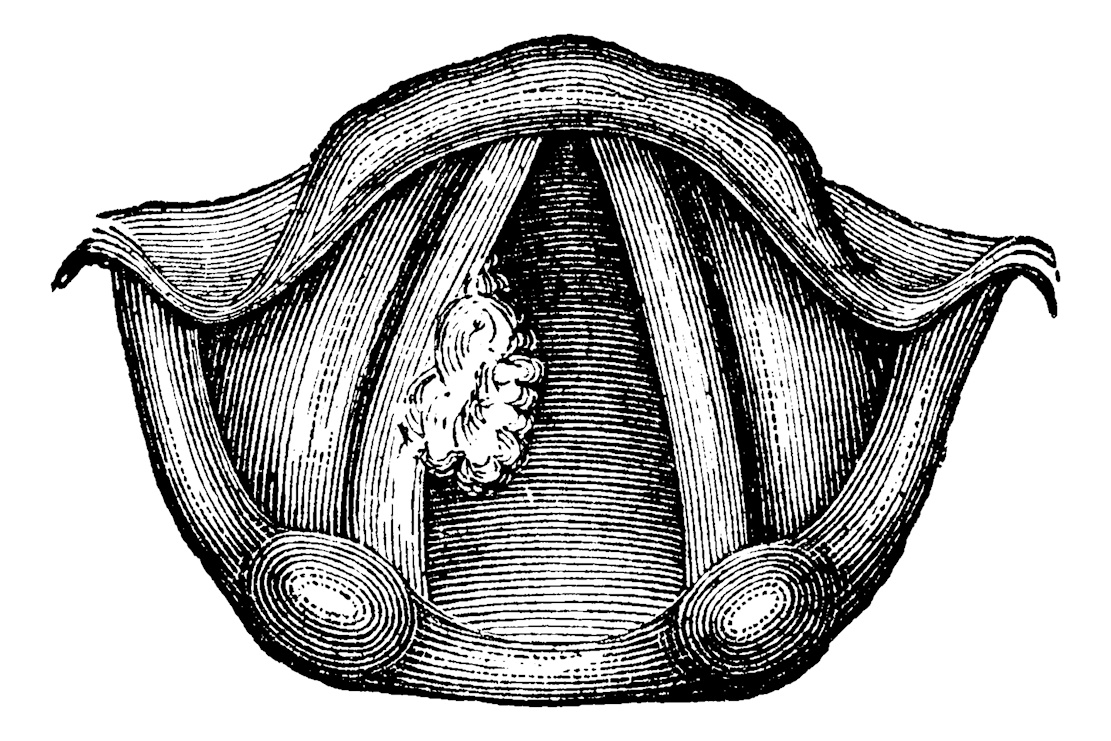
Im späten neunzehnten Jahrhundert stand die Medizin an der Schwelle zwischen Verzweiflung und Entdeckung. Krebs des Kehlkopfes, jener Struktur, die uns die Stimme verleiht und unsere Atemwege schützt, verlief fast immer tödlich. Chirurgen verfügten nur über wenige Werkzeuge und noch weniger Erfolge. Dann veränderte im Jahr 1873 eine mutige und kontroverse Operation alles. Theodor Billroth führte die erste totale Laryngektomie durch und entfernte einem menschlichen Patienten den gesamten Kehlkopf. Es war ein radikaler Eingriff, der ein Leben rettete – allerdings um den Preis des Sprachvermögens und der natürlichen Atmung. Dieser Moment markierte den Beginn einer langen und sich stetig weiterentwickelnden Reise in der Behandlung von Kopf-Hals-Karzinomen.
Prof. Peter Littrup | The Future of Cancer Care May Already Be Here, and May Hold Faster Promise for Neurologic Diseases
For decades, cancer treatment has followed a familiar path. A tumor is found, surgery removes it, radiation burns what remains, and chemotherapy or immunotherapy attempts to destroy cells that may have spread elsewhere. These treatments have saved countless lives, yet they often come with immense physical, emotional, and financial costs. Many patients endure fatigue, pain, scarring, organ damage, mounting bills and lifelong side effects. However, the extraordinary advances of modern medicine have often included the commercial viability of a proven medical product, regardless of its cost and accessibility. The dream of a gentler, more precise, and more effective cancer treatment has remained elusive.