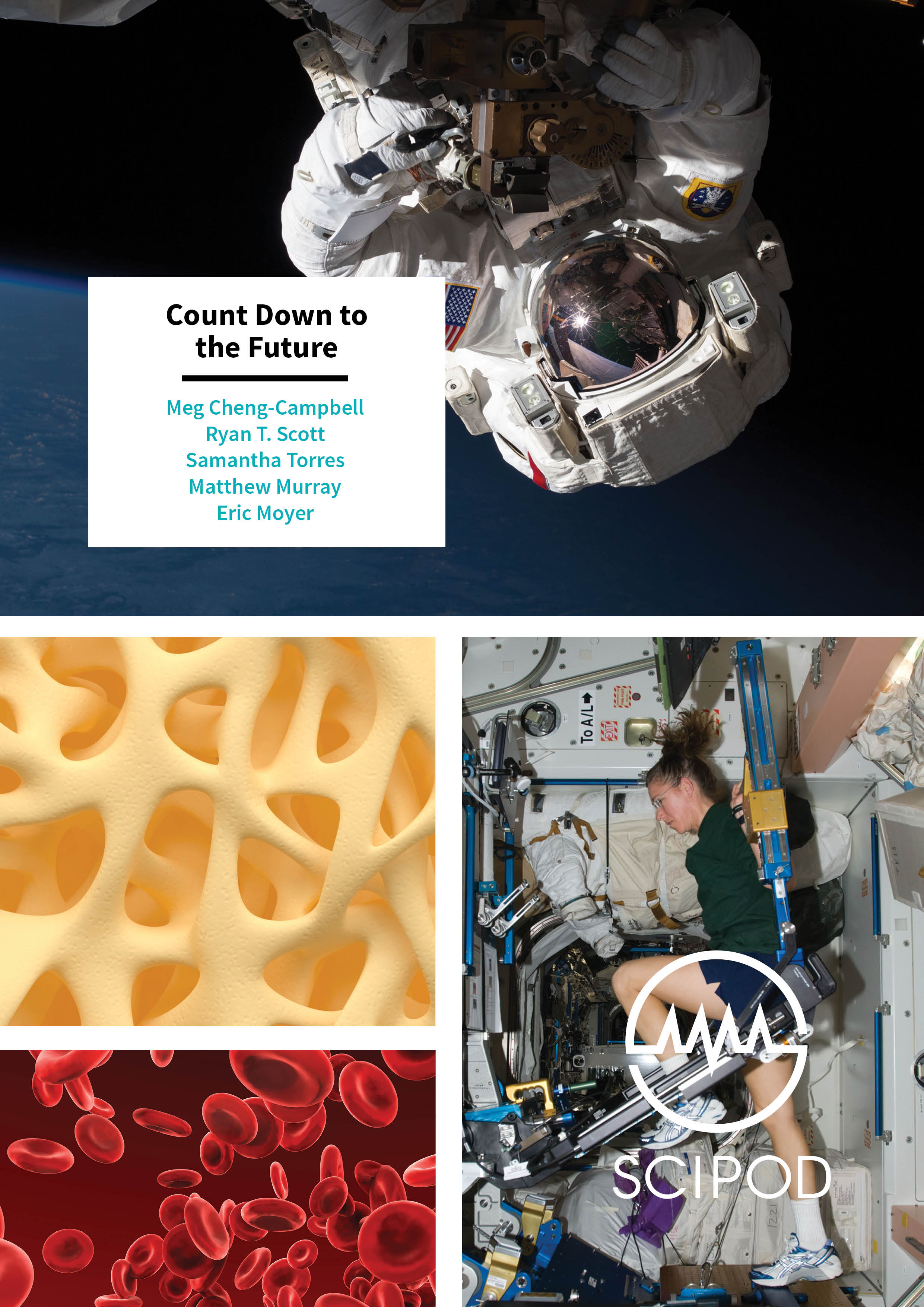
Count Down to the Future – Meg Cheng-Campbell, Ryan T. Scott, Samantha Torres, Matthew Murray, Eric Moyer – NASA Ames Research Center

Oct 3, 2017biology, health and medicine, physical sciences

At the NASA Ames Research Center in California, the next generation of space biologists are working to understand the effects of long duration space flight on model organisms, and are developing ways to protect the health of future astronauts.

[lbg_audio2_html5 settings_id=’24’]

You may also like …

Prof. Alex Vitkin | Seeing the Invisible: How Polarized Light Contributes to Our Understanding and Detection of Cancer

Light is something we encounter every day, so familiar that it rarely inspires a second thought. Yet beneath its apparent simplicity lies a remarkable complexity. Light can carry information in its brightness and color, but also in its polarization and phase, subtle properties that describe how its waves oscillate and interact. For decades, these hidden dimensions of light have remained largely untapped in medicine. Now, a growing body of research is beginning to reveal their extraordinary potential.

Dr. Cini Bhanu | When Standing Up Knocks You Down: Why Postural Hypotension Goes Unnoticed

Imagine standing up from a chair and feeling a sudden wave of dizziness, as though the floor beneath you has shifted. For many older adults, this is more than just an occasional inconvenience, it’s a recurring problem linked to a condition called postural hypotension. Despite being relatively common, postural hypotension is surprisingly overlooked. It affects between 20-30% of older adults living in the community, yet is officially recorded in only about 1% of patients’ medical records in general practice. That gap is vast, and it carries real consequences: increased risks of falls, strokes, heart problems, and reduced quality of life.

Dr. Gebrekrstos Negash Gebru | On the Front Lines of a Pandemic: Sierra Leone’s Field Epidemiology Training Program Success Story

In early 2020, as headlines around the world warned of a fast-spreading new virus, Sierra Leone watched with a mixture of concern and determination. The country had not forgotten the devastating Ebola outbreak of 2014 to 2015, which had exposed painful weaknesses in disease detection, surveillance, and emergency response. That experience left deep scars, but it also sparked reform. When COVID-19 began its global sweep, Sierra Leone faced the crisis with a stronger foundation than many might have expected.

Prof. José Ignacio Nazif-Muñoz | Quand la chaleur rencontre la route: comment la hausse des températures modifie la sécurité routière en milieu urbain

Lors d’une journée d’été étouffante, la plupart d’entre nous remarquent les effets évidents de la chaleur. Nous nous sentons plus lents, plus irritables et impatients d’échapper au soleil. Ce qui est moins visible, c’est la manière dont ces mêmes conditions modifient discrètement notre comportement au volant. Une étude récente dirigée par le professeur José Ignacio Nazif-Muñoz de l’Université de Sherbrooke, en collaboration avec le professeur Jose Guillermo Cedeño Laurent de l’Université Rutgers, explore ce lien caché, révélant comment les vagues de chaleur et les modèles thermiques urbains influencent la sécurité routière dans cinq villes du Québec. Les résultats rappellent opportunément que le changement climatique n’est pas seulement un enjeu environnemental, mais aussi une question de sécurité publique qui touche la vie quotidienne de manière inattendue.

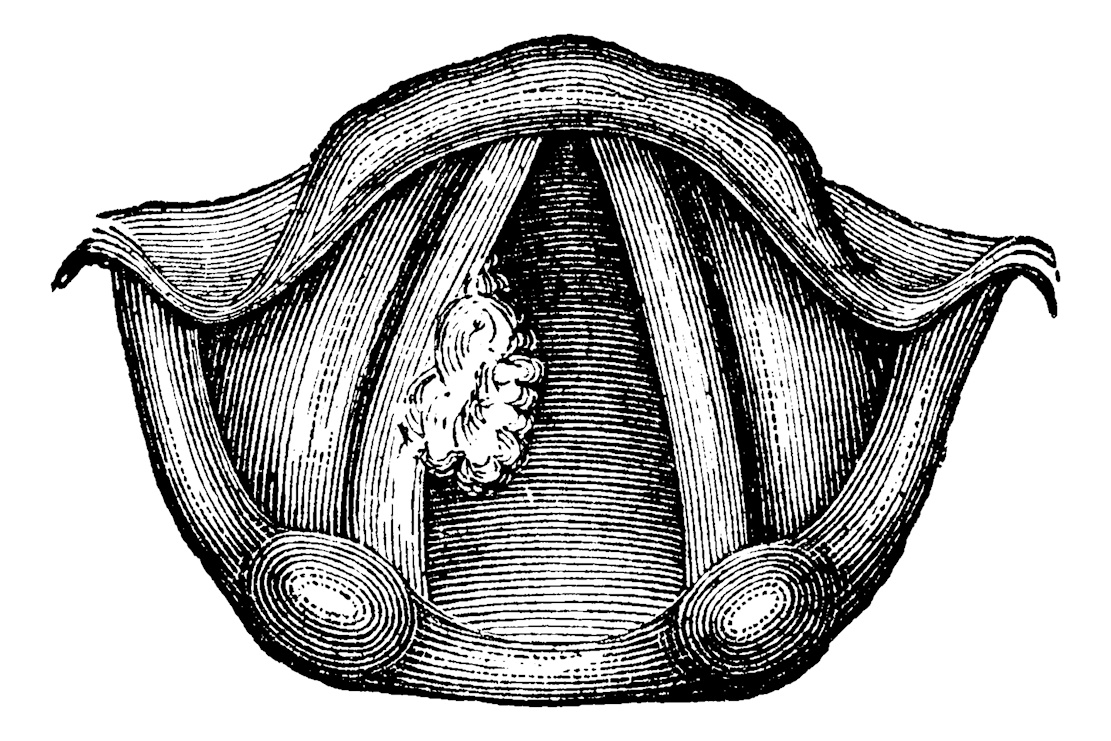
Prof. Dr. Dietmar Thurnher | From Silence to Survival: 150 Years of Laryngectomy and the Future of Voice

In the late nineteenth century, medicine stood at a threshold between desperation and discovery. Cancer of the larynx, the structure that gives us voice and guards our airway, was almost always fatal. Surgeons had few tools and even fewer successes. Then, in 1873, a bold and controversial operation changed everything. Theodor Billroth performed the first total laryngectomy, removing the entire voice box in a human patient. It was a radical act that saved a life, but at the cost of speech and natural breathing. That moment marked the beginning of a long and evolving journey in head and neck cancer care.

Dr. Manreet Bhullar | Invisible Hazards: How Water Shapes the Safety of Hydroponic Food

At first glance, hydroponic farming seems like the future made real. Rows of leafy greens grow indoors, roots suspended in carefully balanced nutrient solutions, untouched by soil and shielded from many of the uncertainties of outdoor agriculture. This method promises efficiency, precision, and sustainability. It uses far less water than traditional farming and produces food in tightly controlled environments. Yet beneath this clean and modern image lies a quieter story about risk, one that flows through the very water that sustains these crops.

Professor Theodore Allen | From Sanitizers to Social Media: The Hidden Science Behind Everyday Choices

When most people think of scientific research, they may imagine test tubes, lab coats, and microscopes. However, many impactful experiments happen not in laboratories, but in office buildings, student unions, and even on social media. In two fascinating studies co-authored by Professor Theodore Allen of The Ohio State University, researchers show how the same rigorous logic that drives cutting-edge chemistry or physics can be applied to practical, everyday challenges, such as where to place a hand sanitizer dispenser or how to convince someone to get vaccinated. The studies, though different in their subjects, share a common theme that data and careful experimental design can make the world cleaner, healthier, and more humane.

Prof. Dr. Christopher Gerner | Colitis ulcerosa und die verborgene Logik chronischer Erkrankungen

Colitis ulcerosa, oft als UC bezeichnet, ist eine chronisch-entzündliche Erkrankung des Dickdarms, die weltweit immer häufiger auftritt, auch bei Jugendlichen und jungen Erwachsenen. Für viele Patientinnen und Patienten beginnt sie mit subtilen Warnzeichen wie Bauchbeschwerden, Durchfall, Müdigkeit oder Spuren von Blut im Stuhl. Im Laufe der Zeit können sich diese Symptome zu schmerzhaften und beängstigenden Schüben entwickeln, die Ausbildung, Karriere, Familienleben und das emotionale Wohlbefinden beeinträchtigen. Obwohl die moderne Medizin bemerkenswert wirksam darin geworden ist, diese akuten Krankheitsepisoden zu kontrollieren, bleibt UC hartnäckig bestehen. Bei den meisten Betroffenen kehrt die Erkrankung nach Phasen scheinbarer Erholung zurück, manchmal ohne einen offensichtlichen äußeren Auslöser.

Prof. Jamie Rausch | The Hidden Life of Fat: How Adipose Tissue Shapes Health Across a Lifetime

For much of modern history, body fat was viewed simply as stored energy, a passive reserve that expanded or shrank depending on diet and activity. Today, that understanding has shifted dramatically. Research led by scholars such as Prof. Jamie Rausch of Indiana University reveals that adipose tissue is not merely a storage site but a dynamic, hormone-producing system that influences nearly every aspect of human health. When this system becomes dysregulated, it can quietly set the stage for chronic diseases that affect millions worldwide.

Prof. Letitia Pienaar | The Long Journey Toward Mental Health Rights in South Africa

Mental health is increasingly recognised as a vital part of human well-being, yet the legal systems that protect people with mental illness have often developed slowly. In South Africa, the story of mental health legislation is a powerful example of how societies move from fear and control toward dignity and rights. The research of Prof. Letitia Pienaar of the University of South Africa explores this transformation and reveals how law, history, and human experience have shaped the country’s modern approach to mental health care. Her work shows that progress has been significant, but it also highlights the continuing challenges in turning legal promises into real protection for vulnerable people.