by Iliyah Maddox | Jul 30, 2025 | education & training, health and medicine
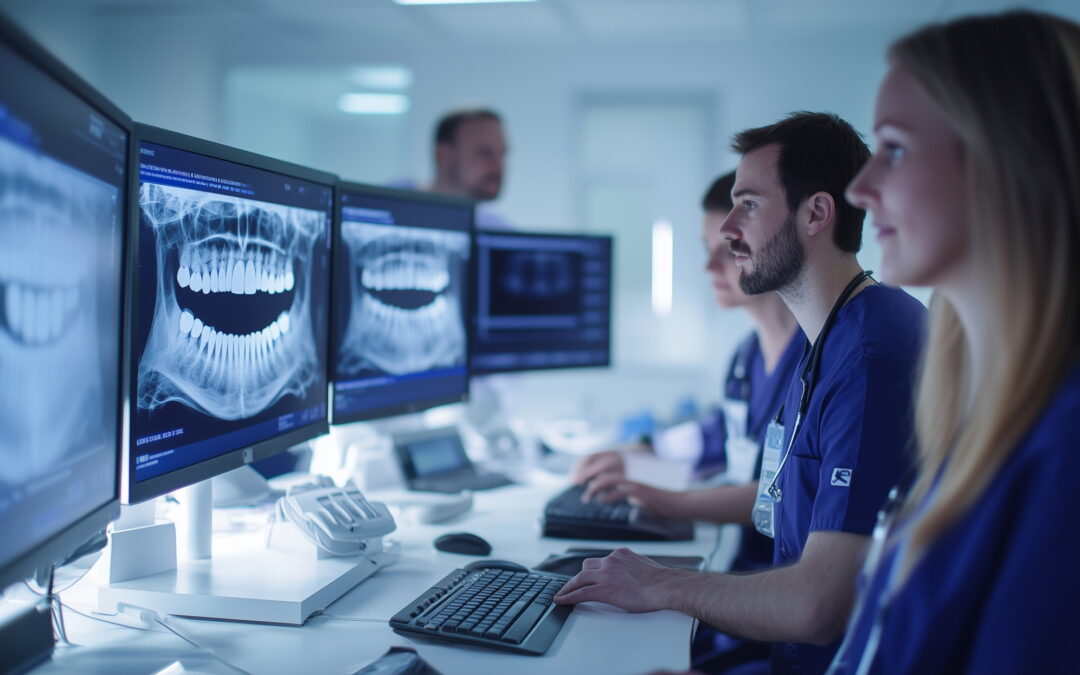
When the COVID-19 pandemic arrived as an unexpected and unwelcome presence in our lives, it didn’t just disrupt our daily routines, it drastically changed how we learn, teach, and connect. For many healthcare professionals, including those in dentistry, this meant abandoning lecture halls and clinical classrooms for an unfamiliar and potentially daunting virtual teaching landscape. After all, no-one knew if this mandatory experiment in online teaching would work out. Yet from this unprecedented upheaval emerged an extraordinary opportunity to rethink how education is delivered globally, one that Dr. Shasha Cui of the Eastman Institute for Oral Health at the University of Rochester School of Medicine and Dentistry, and her colleagues, seized with insight, innovation, and a keen eye toward the future.
by Iliyah Maddox | Jul 23, 2025 | biology, education & training, health and medicine
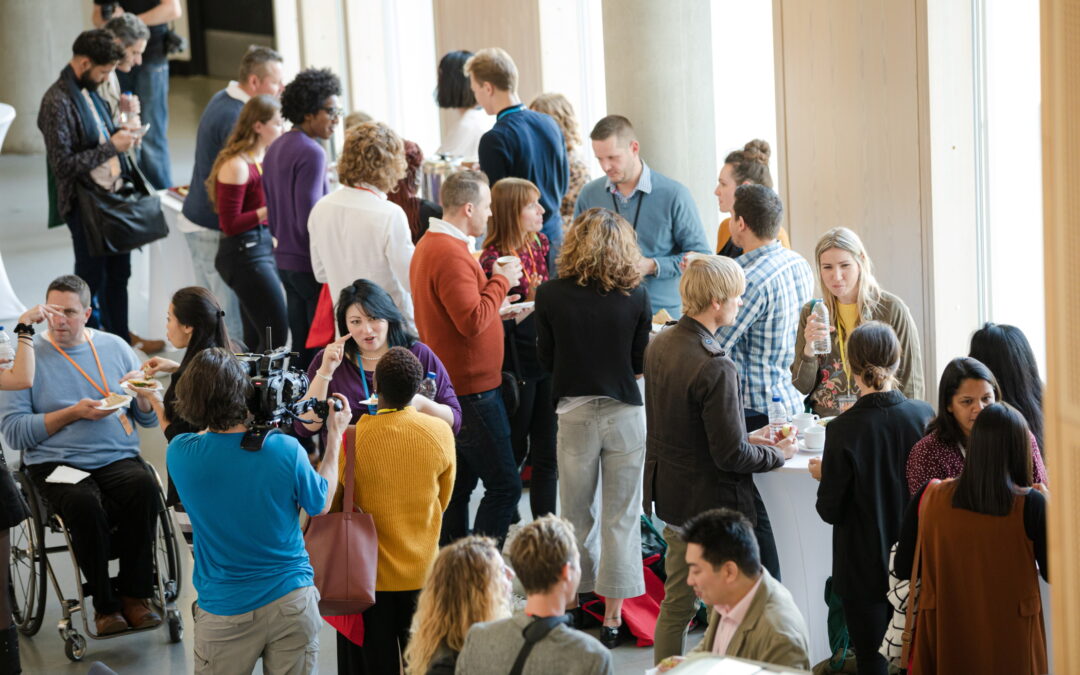
When you imagine a scientific conference, you may picture rows of poster boards, bustling coffee breaks, and seasoned researchers discussing the latest data and research approaches. It can feel like a world reserved for insiders. Yet a recent study led by Dr Malgorzata Trela and Dr Sophie Rutschmann at Imperial College London argues that this lively professional gathering is precisely where tomorrow’s scientists ought to cut their teeth. Their paper, “Immunology in Practice: a modular framework to support Master of Science students’ conference attendance and engagement,” describes an educational project that turns a four-day professional congress into the beating heart of a master’s-level module, and in doing so, reshapes how students learn, network and even see themselves.
by Iliyah Maddox | Jun 27, 2025 | education & training, health and medicine
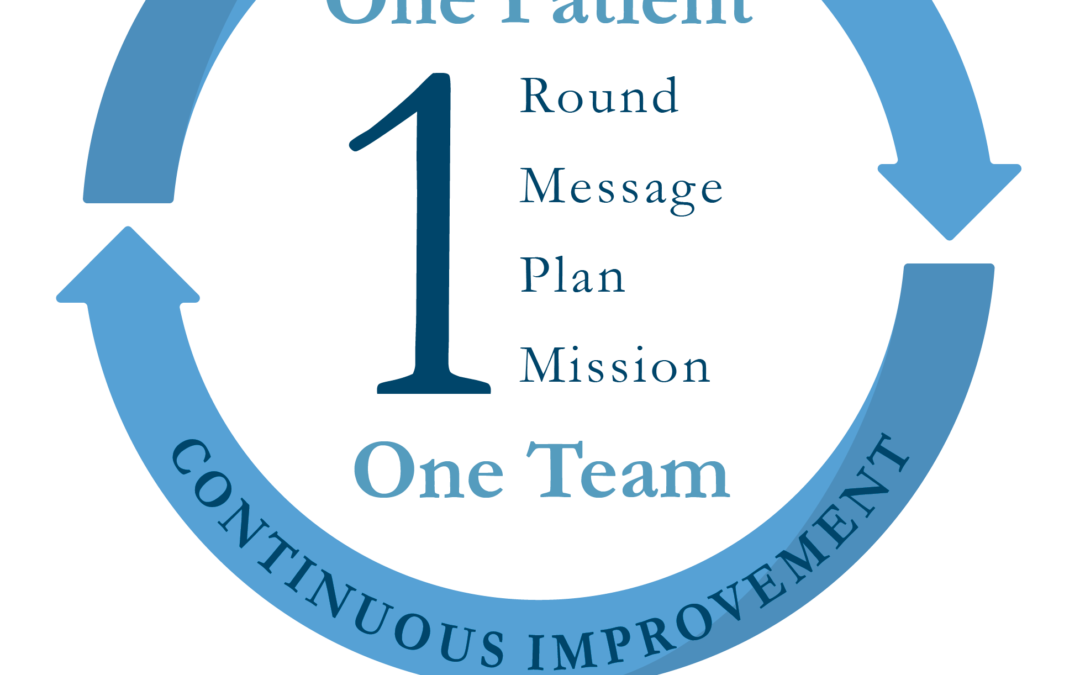
If you picture doctors making their daily rounds through hospital floors, you might imagine a single doctor standing by a bedside, examining a patient’s chart, or perhaps a group of doctors discussing a case right outside a patient’s room. However, the future of hospital care may well look more like a well-choreographed team effort, with doctors, nurses, pharmacists, students, and patients themselves, all in the same room, and all working as one team. This is exactly what Dr. Sarah Hallen and her colleagues at MaineHealth Maine Medical Center Portland envisioned when they created the iPACE model, short for Interprofessional Partnership to Advance Care and Education. Launched in 2017, this model is not just changing how doctors are trained; it’s leveraging team synergies to reshape what it means to deliver healthcare.

by Iliyah Maddox | Dec 2, 2024 | arts and humanities, education & training
Learning a new language as an adult is challenging, especially when the new language has features that differ significantly from one’s native tongue. This phenomenon is key to a new study led by Professor Shanshan Yan at Peking University, which examines how language learning is affected when learners encounter features in their second language that are similar to those in their first language.
by Iliyah Maddox | Nov 28, 2024 | education & training, social and behavioural sciences
Americans generally celebrate the abstract principle of diversity but does this translate into the policies that they support and the friendships that they form? A new study from Prof. Neeraj Rajasekar of the University of Illinois Springfield, Prof. Evan Stewart of the University of Massachusetts and Prof. Douglas Hartmann of the University of Minnesota, examines this. Rajasekar and colleagues find inconsistencies between Americans’ support for diversity in principle versus their attitudes in their day-to-day lives. The findings reveal widespread gaps that exist across demographic groups, with implications for understanding public opinion and advancing diversity efforts in the United States.

by Iliyah Maddox | Nov 18, 2024 | biology, education & training, health and medicine
Our kidneys filter blood to remove waste and can regulate water balance. We’ve all experienced that when we’re thirsty urine becomes concentrated, signalling us to drink more water. When we drink excess water, we urinate more frequently, and the urine is diluted. The kidneys’ ability to concentrate or dilute urine according to our body’s need relies on countercurrent multiplication (or CCM), a complex process that generates a salt concentration gradient in the kidney. However, CCM is challenging to teach and understand. Dr. Serena Kuang, a researcher and educator at Oakland University William Beaumont School of Medicine, has developed a more understandable CCM model and clears up errors in existing explanations making CCM easier to understand and teach.
Page 2 of 14«12345...10...»Last »