Tackling Trauma: A Revolutionary Approach to Emergency Medical Care – Dr Kayvan Najarian, University of Michigan

Jun 29, 2018health and medicine

The multiple injuries sustained in a traumatic accident put victims’ lives at risk and can be difficult to diagnose accurately in fast paced emergency room settings. Dr Kayvan Najarian and his team of researchers at the University of Michigan are designing advanced automated trauma decision support systems that can help emergency physicians make critical time-sensitive decisions in life or death situations.

[lbg_audio2_html5 settings_id=’95’]

You may also like …

Harsanti Morley – Robert Morley | Reading Ancient Pollen to Reconstruct a Lost World in Java

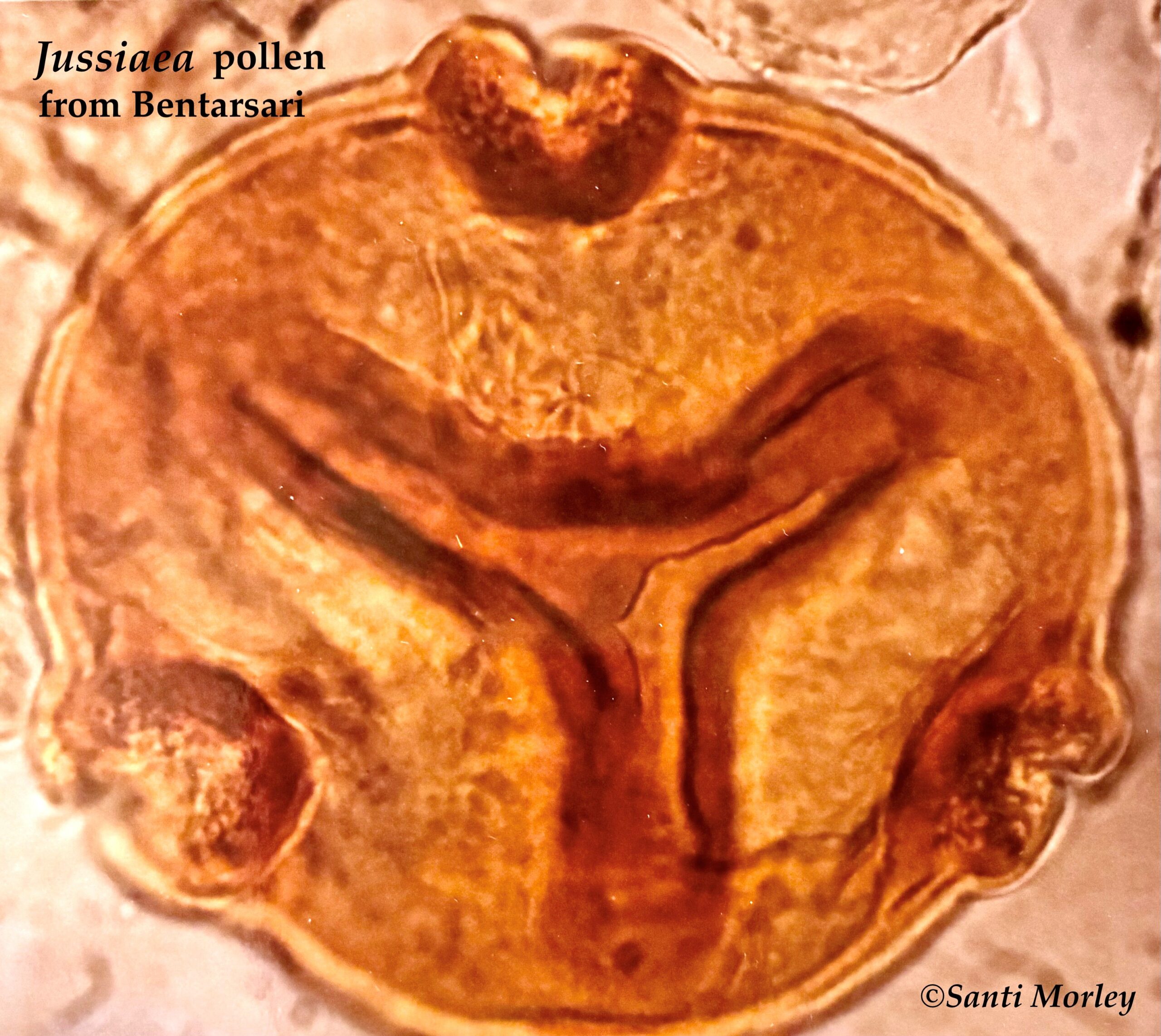
More than a million years ago, the island of Java looked very different from the busy, densely populated place we know today. Vast mangrove forests spread along muddy coastlines. Freshwater swamps stretched inland. Grasslands burned during dry seasons, while volcanic mountains rose in the distance beneath shifting tropical skies. Hidden within these ancient landscapes were animals that no longer exist and environments that shaped some of the earliest chapters of human history in Southeast Asia. A recent study by Harsanti Morley of Palynova Ltd and Robert Morley, who is a research associate at Royal Botanic Gardens, Kew, has opened an extraordinary window into that vanished world. By examining microscopic grains of fossil pollen and spores preserved in ancient rocks from Central Java, the researchers reconstructed ecosystems that existed during the early Pleistocene, a period beginning more than two million years ago. Their work reveals what the landscape looked like, and also how climate, sea levels, vegetation, and wildlife changed through time.

Prof. Alex Vitkin | Seeing the Invisible: How Polarized Light Contributes to Our Understanding and Detection of Cancer

Light is something we encounter every day, so familiar that it rarely inspires a second thought. Yet beneath its apparent simplicity lies a remarkable complexity. Light can carry information in its brightness and color, but also in its polarization and phase, subtle properties that describe how its waves oscillate and interact. For decades, these hidden dimensions of light have remained largely untapped in medicine. Now, a growing body of research is beginning to reveal their extraordinary potential.

Dr. Samantha Zwicker | The Secret Life of the Margay in Peru’s Rainforest

Deep in the Amazon rainforest of southeastern Peru, one of the world’s most elusive wild cats slips silently through the trees. Smaller than a jaguar and far less famous than a tiger, the margay is a master of the canopy, moving through tangled branches with extraordinary agility. For decades, scientists have struggled to understand this mysterious feline because it is rarely seen, mostly active at night, and equally comfortable on the ground and high above it. Now, a new study conducted by Dr. Samantha Zwicker of Hoja Nueva, a conservation nonprofit rooted in Madre de Dios, Peru, and colleagues, is shedding light on the hidden world of the margay in the Madre de Dios region of Peru. By combining ground cameras with lower-canopy cameras placed at natural margay choke points, the team captured both sides of cats moving up and down trees – a practical, lower-cost alternative to labor-intensive upper-canopy surveys.

Dr. Manreet Bhullar | Invisible Hazards: How Water Shapes the Safety of Hydroponic Food

At first glance, hydroponic farming seems like the future made real. Rows of leafy greens grow indoors, roots suspended in carefully balanced nutrient solutions, untouched by soil and shielded from many of the uncertainties of outdoor agriculture. This method promises efficiency, precision, and sustainability. It uses far less water than traditional farming and produces food in tightly controlled environments. Yet beneath this clean and modern image lies a quieter story about risk, one that flows through the very water that sustains these crops.

Prof. Dr. Christopher Gerner | Colitis ulcerosa und die verborgene Logik chronischer Erkrankungen

Colitis ulcerosa, oft als UC bezeichnet, ist eine chronisch-entzündliche Erkrankung des Dickdarms, die weltweit immer häufiger auftritt, auch bei Jugendlichen und jungen Erwachsenen. Für viele Patientinnen und Patienten beginnt sie mit subtilen Warnzeichen wie Bauchbeschwerden, Durchfall, Müdigkeit oder Spuren von Blut im Stuhl. Im Laufe der Zeit können sich diese Symptome zu schmerzhaften und beängstigenden Schüben entwickeln, die Ausbildung, Karriere, Familienleben und das emotionale Wohlbefinden beeinträchtigen. Obwohl die moderne Medizin bemerkenswert wirksam darin geworden ist, diese akuten Krankheitsepisoden zu kontrollieren, bleibt UC hartnäckig bestehen. Bei den meisten Betroffenen kehrt die Erkrankung nach Phasen scheinbarer Erholung zurück, manchmal ohne einen offensichtlichen äußeren Auslöser.

Prof. Jamie Rausch | The Hidden Life of Fat: How Adipose Tissue Shapes Health Across a Lifetime

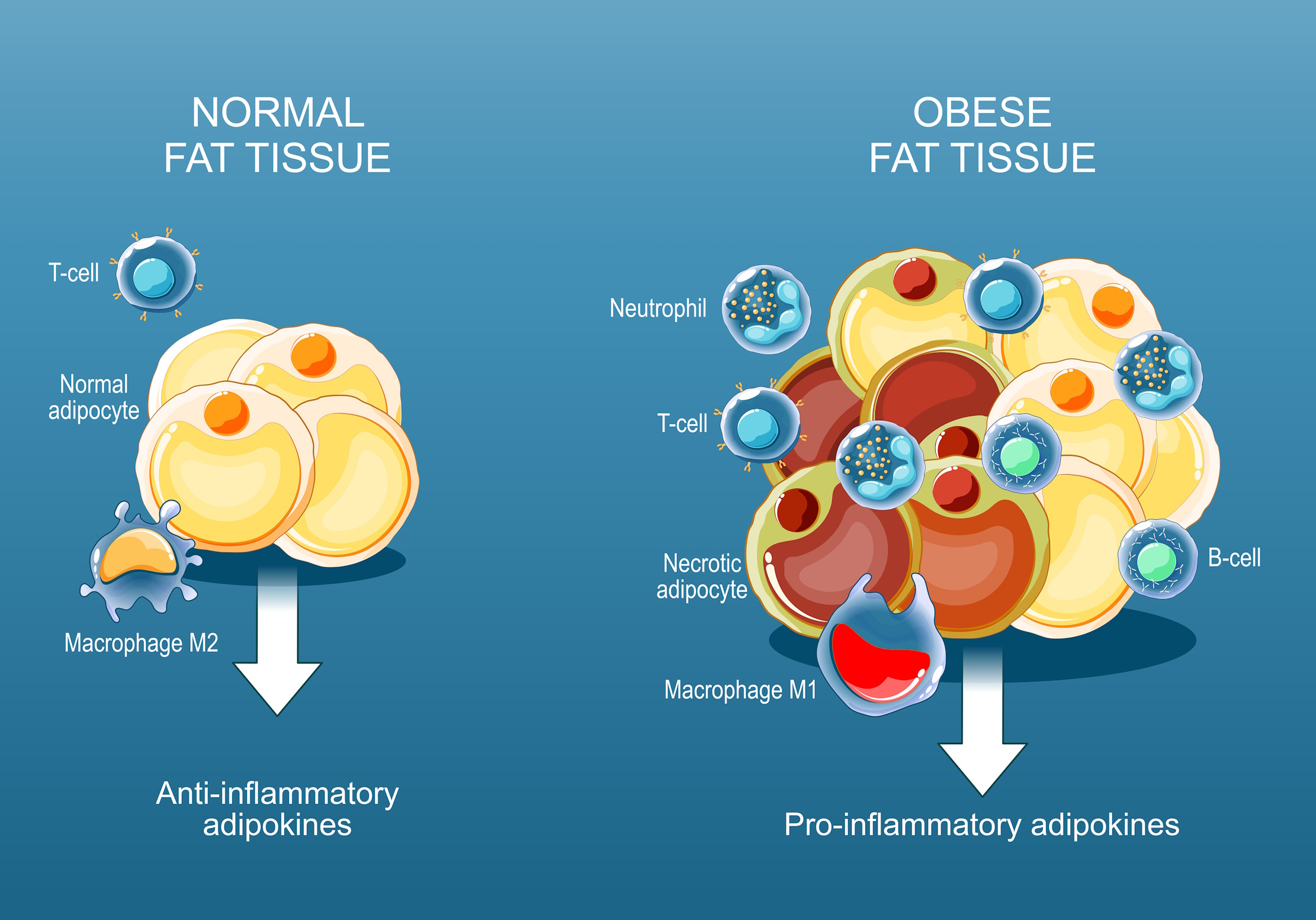
For much of modern history, body fat was viewed simply as stored energy, a passive reserve that expanded or shrank depending on diet and activity. Today, that understanding has shifted dramatically. Research led by scholars such as Prof. Jamie Rausch of Indiana University reveals that adipose tissue is not merely a storage site but a dynamic, hormone-producing system that influences nearly every aspect of human health. When this system becomes dysregulated, it can quietly set the stage for chronic diseases that affect millions worldwide.

Ádám Soós – Emőke Szőcs | The Hidden Architecture of Immunity: How Cells Find Their Way in a Bird’s Body

Deep inside the body of a developing bird lies a small, often overlooked organ that quietly orchestrates one of the most essential processes of life: the making of immune cells. This organ, known as the bursa of Fabricius, is not widely known outside scientific circles, yet it plays a central role in shaping how birds defend themselves against disease. Within its folds, an intricate story unfolds, one that blends biology, chemistry, and the remarkable choreography of migrating cells.

Dr. Clayton Raines | From Alewives to Bass: Discovering the Viruses Lurking in North America’s Fish

In rivers and lakes across North America, fish carry secrets invisible to the naked eye, secrets that researchers with the U.S. Geological Survey’s Eastern Ecological Science Center are determined to help uncover. With a passion for aquatic health and an interest in viral sleuthing, these researchers, including Dr. Clayton Raines, a fish biologist, have conducted groundbreaking research that is reshaping our understanding of fish disease. From uncovering a new virus in alewives to decoding the mystery behind the blotchy skin of black basses, this work not only expands the frontiers of fish virology but also reveals the hidden complexities of ecosystems. Here, we explore Raines’ and colleagues’ fascinating findings and their implications for fish management, conservation, and the health of freshwater species.

Dr. Jeddah Marie Vasquez | Blending Biology and Engineering to Repair Damaged Nerves

When a peripheral nerve is badly damaged due to injury, the consequences can be life-changing. Hands that no longer feel heat or cold, muscles that will not respond to the brain’s commands, and pain that lingers for years are all common outcomes. Surgeons can sometimes stitch nerves back together, but when there is a section of nerve missing entirely, repair becomes far more complex. For decades, researchers have been trying to build better bridges for injured nerve axons to cross. A new interdisciplinary research effort led by Dr. Jeddah Marie Vasquez and Dr. Vijay Kumar Kuna of Research Institutes of Sweden, and their collaborators from Umeå University (Associate Professor Paul Kingham) and University College London (Professor James Phillips), bring together polymer chemistry, materials science, and cell biology to rethink what such a bridge could be made of – and how it might one day be tailored to individual patients.

Prof. Dr. Christopher Gerner | Ulcerative Colitis and the Hidden Logic of Chronic Disease

Ulcerative colitis, often called UC, is a chronic inflammatory disease of the large intestine that is becoming more common across the world, including among teenagers and young adults. For many patients it begins with subtle warning signs such as abdominal discomfort, diarrhea, fatigue, or traces of blood in the stool. Over time these symptoms can escalate into painful and frightening flare-ups that disrupt education, careers, family life, and emotional well-being. Although modern medicine has become remarkably effective at calming these acute disease episodes, UC remains stubbornly persistent. In most patients the disease returns after periods of apparent recovery, sometimes without any obvious external trigger.