
AudioPod

About this episode
For decades, linguists and psychologists have been trying to understand the fascinating ways in which humans communicate with each other in different real-world settings. Overall, spoken communication involves a mixture of words, facial expressions, and gestures. Dr Holly Keily, a researcher at the University at Buffalo, has recently carried out a study specifically exploring how speakers explain events to partners who will need to identify them, particularly focusing on their use of gestures.
Original Article Reference
This SciPod is a summary of the paper ‘Actions as a basis for online embodied concepts’, Languages, 2019. doi.org/10.3390/languages4010016
This work is licensed under a Creative Commons Attribution 4.0 International License. 
What does this mean?
Share: You can copy and redistribute the material in any medium or format
Adapt: You can change, and build upon the material for any purpose, even commercially.
Credit: You must give appropriate credit, provide a link to the license, and indicate if changes were made.
Increase the impact of your research!
More episodes

Dr. Kendra Pugh | Mapping the Hidden Geography of Gambling Risk
A lottery ticket is small enough to slip into a pocket, but the forces that shape gambling behavior can stretch across...
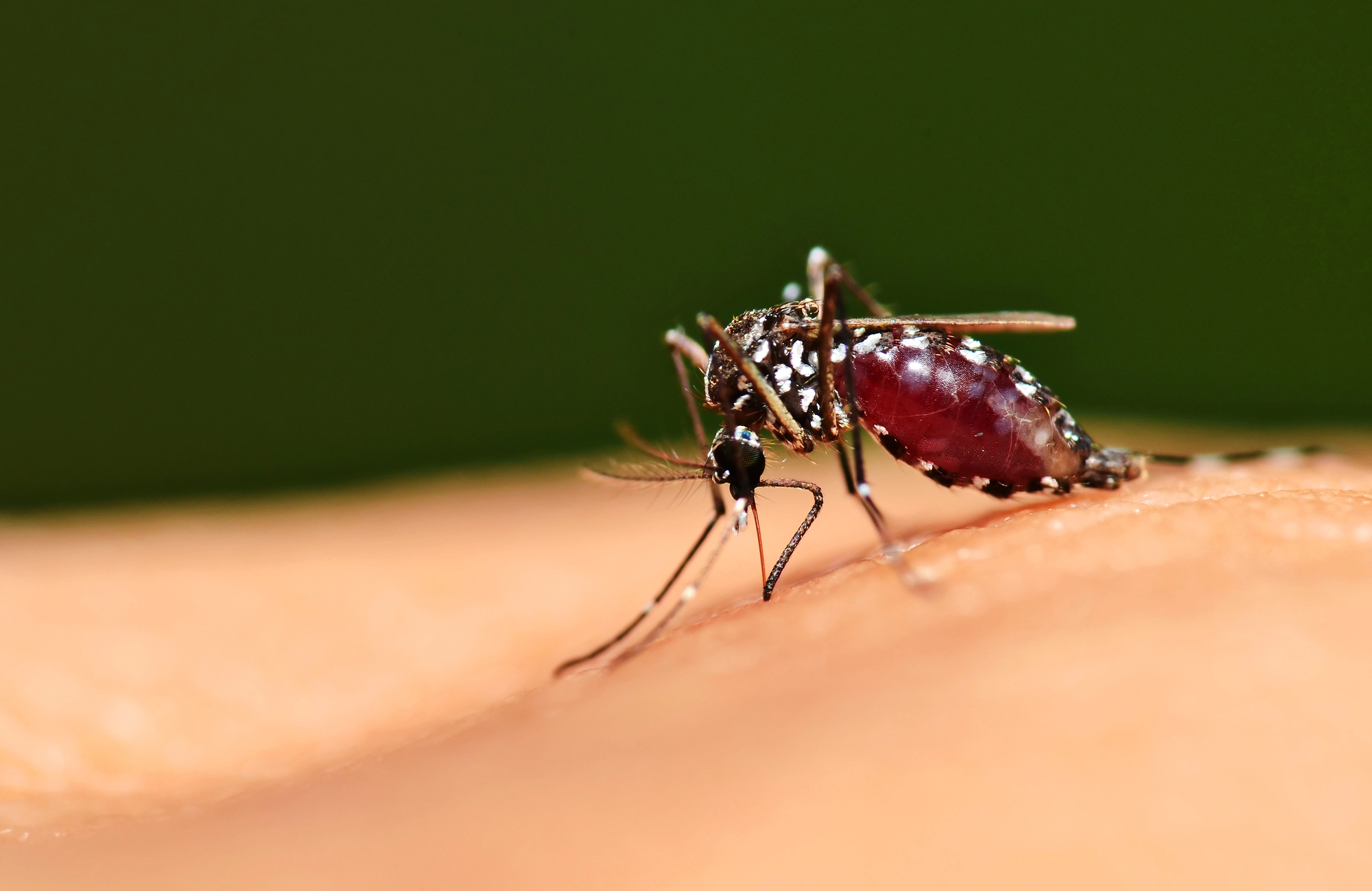
Dr. Shimaa Ghazal | Reading the Mosquito: What Two New Genomes Can Tell Us About Malaria
A mosquito’s whine is easy to dismiss as a minor irritation. Yet some mosquitoes carry one of humanity’s oldest and...

Ben de Vries | The Hidden Netherlands: Inside the Secret World of the Cold War
Every first Monday of the month, at exactly 12.00 hours, warning sirens echo across the Netherlands. For many people...

Dr. Fay Betsou | The Hidden Life of a Biospecimen: Why Better Medical Research Begins Before the Laboratory Assay
To most of us, a vial of blood looks like a simple container of biological truth, a snapshot of what was happening...
Prof. Shan Lu | Inducing Polyfunctional Antibodies: A Promising Chapter in the Long Search for an HIV Vaccine
For more than four decades, HIV has challenged some of the brightest scientific minds in the world. Tremendous...

Prof. Yu Du | The Age of Judgment: What Sentencing Reveals About Youth, Maturity, and Mercy
Imagine two people standing before a judge. One is nineteen, old enough to vote and be tried as an adult, but still...