
Controlling the Worldwide chaotic Spreading of COVID-19 Through Vaccinations | Dr Aldo Bonasera
Original Article Reference
This SciPod is a summary of the paper ‘Controlling the Worldwide chaotic Spreading of COVID-19 through Vaccinations’, published in the Journal of Modern Physics. DOI: 10.4236/jmp.2022.131001.
About this episode
Amid the global COVID-19 pandemic, we face challenges that require innovative and strategic responding. Dr Aldo Bonasera at Texas A&M University in the USA and Laboratori Nazionali del Sud, Istituto Nazionale di Fisica Nucleare in Italy, and Dr Hua Zheng at the School of Physics and Information Technology, Shaanxi Normal University in China, have taken a mathematical approach to compare the current COVID-19 pandemic with the Spanish Flu. Their findings have led to important recommendations for managing the current pandemic through vaccination programmes.
This work is licensed under a Creative Commons Attribution 4.0 International License. 
What does this mean?
Share: You can copy and redistribute the material in any medium or format
Adapt: You can change, and build upon the material for any purpose, even commercially.
Credit: You must give appropriate credit, provide a link to the license, and indicate if changes were made.
More episodes

Prof. Dr. Daniel Gredig | Schutz ist ein Gespräch: Wie sehr auch die moderne HIV-Prävention eine Kommunikation unter den Partnern verlangt
Die HIV-Prävention hat sich in den vergangenen vier Jahrzehnten markant verändert. Was einst von Angst und begrenzten Möglichkeiten geprägt war, ist zu einem Bereich geworden, den wissenschaftliche Durchbrüche, ein besseres Verständnis und eine wachsende Wertschätzung persönlicher Entscheidungen prägen. Doch während die Forschung die Möglichkeiten, sich effektiv vor einer HIV-Infektion zu schützen, grundlegend verändert hat, bleibt ein Element so wichtig wie eh und je. Prävention hängt von Kommunikation ab. An jeder intimen Begegnung sind zwei Menschen beteiligt, die jeweils ihre eigenen Überzeugungen, Einstellungen, Erfahrungen, Erwartungen und Vorlieben mitbringen. Zu einem gemeinsamen Verständnis zu gelangen, ob und wie sie sich vor einer Infektion mit HIV schützen sollen, ist selten so einfach, wie es scheint.
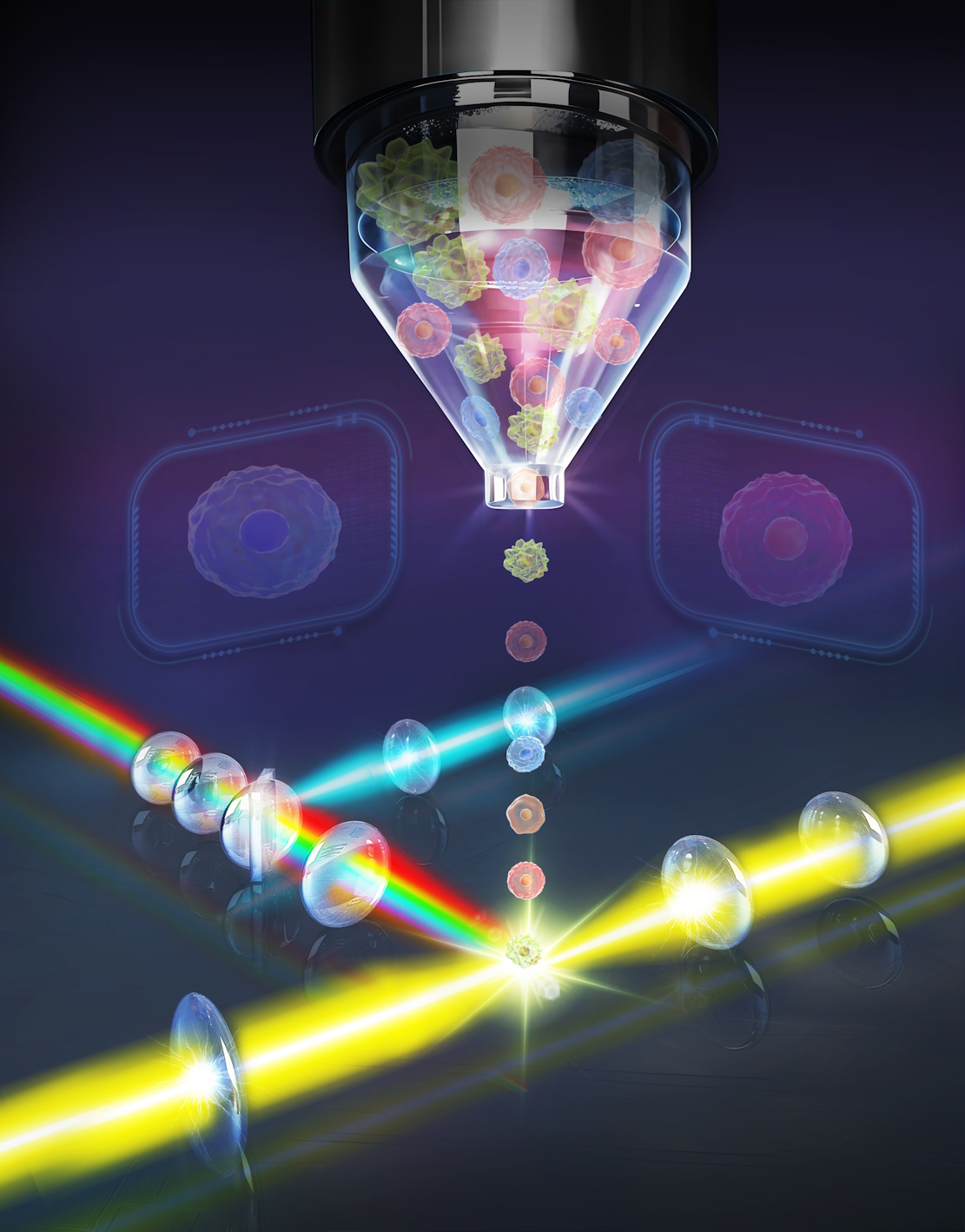
Dr. Xinyu Chen | The Cell Detectives: How Lasers and Artificial Intelligence Are Transforming Biology
Imagine searching for one unusual face in a stadium packed with thousands of people. Now imagine that every person is moving, the faces are nearly invisible, and you have only a fraction of a second to decide whom to stop. This is remarkably close to the challenge scientists face when they try to identify a particular cell among millions. Yet finding the right cells can help researchers understand disease, investigate immune responses, and discover biological differences that would otherwise remain hidden.
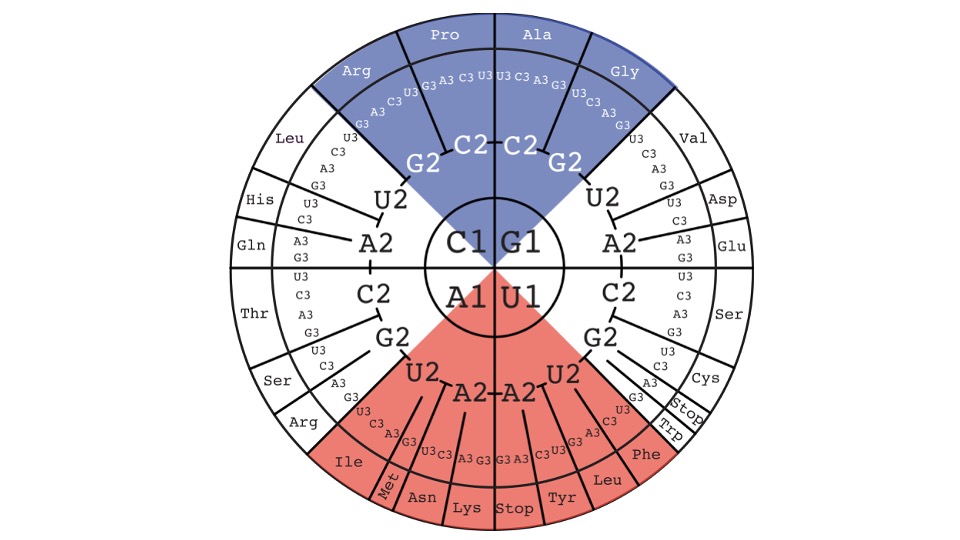
Professor Eric Westhof – Dr. Henri Grosjean | The Hidden Physics of Life: Rethinking the Genetic Code
For generations, biology students have encountered the genetic code as a neat table of letters. Across its rows and columns sit combinations such as AUG, GGC and UUU, each pointing to an ingredient used to build proteins. The table is one of science’s great achievements: a compact dictionary connecting genetic information with the molecules that make living cells work. Yet it also raises a question that textbooks rarely explore. Why is the code arranged as it is, and what might we discover by looking at it differently?

Prof. Elizabeth Regan | The Healthcare Revolution That Technology Alone Cannot Deliver
Imagine a patient with several health problems moving through a modern medical system. She may see a family doctor, a specialist, a hospital team, a pharmacist and perhaps a community service. Each professional may be highly skilled. Each organisation may own sophisticated software. Yet the patient can still find herself repeating the same story, carrying information between appointments, waiting for records to arrive and trying to understand who is responsible for what. The individual parts work well, but the journey doesn’t.
Increase the impact of your research
• Good science communication helps people make informed decisions and motivates them to take appropriate and affirmative action.
• Good science communication encourages everyday people to be scientifically literate so that they can analyse the integrity and legitimacy of information.
• Good science communication encourages people into STEM-related fields of study and employment.
• Good public science communication fosters a community around research that includes both members of the public, policymakers and scientists.
• In a recent survey, 75% of people suggested they would prefer to listen to an interesting story than read it.
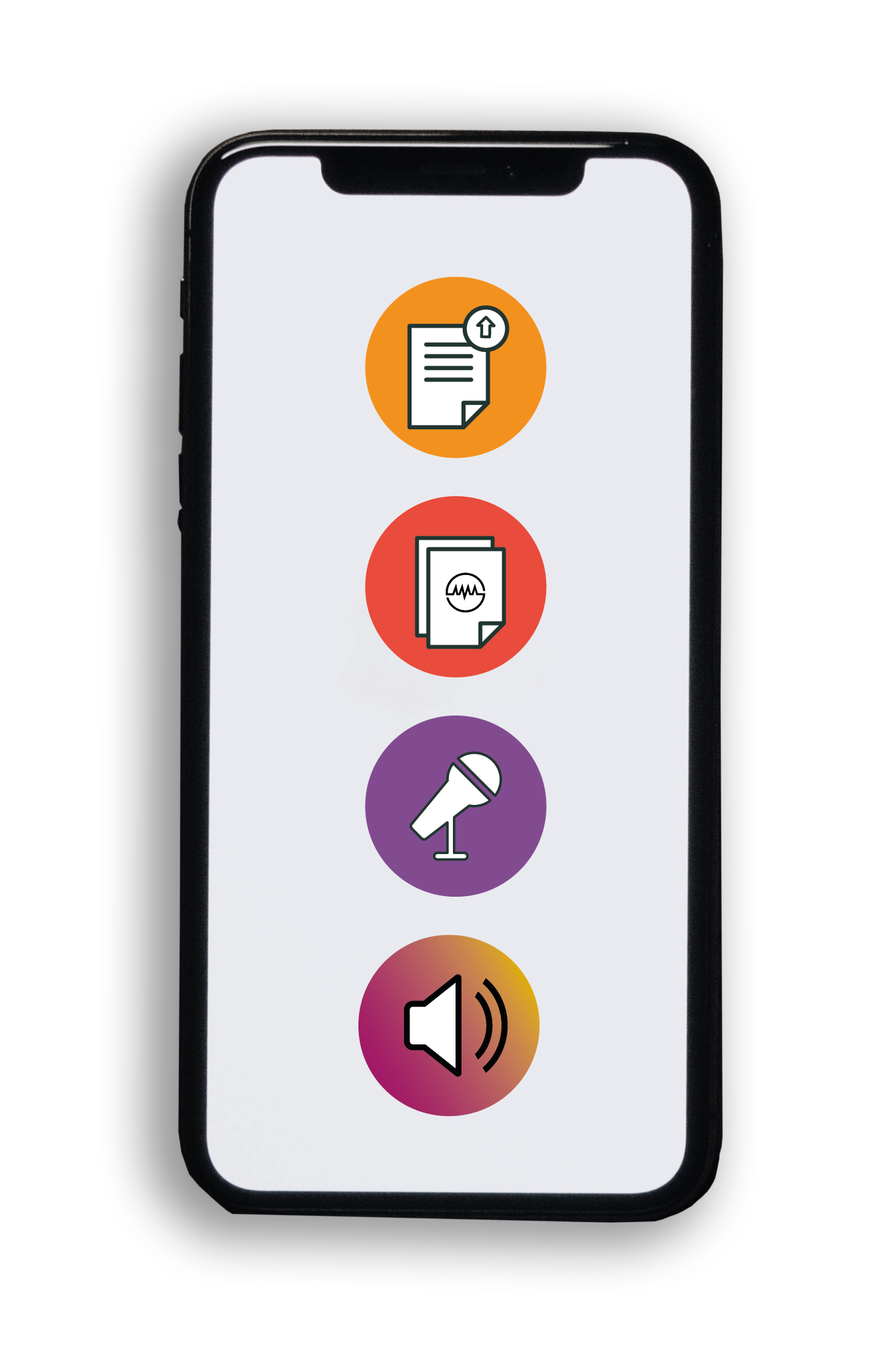
Step 1 Upload your science paper
Step 2 SciPod script written
Step 3 Voice audio recorded
Step 4 SciPod published