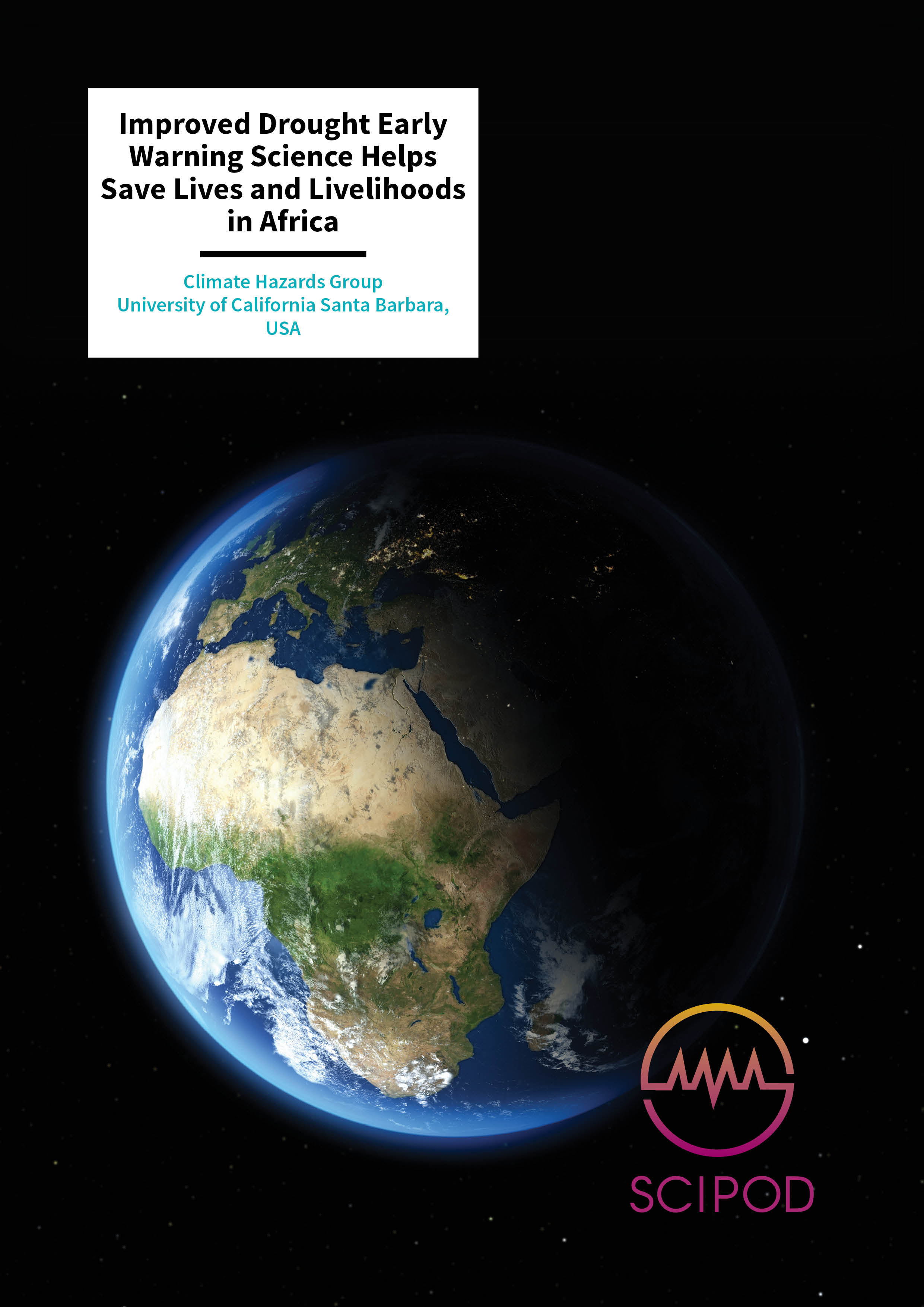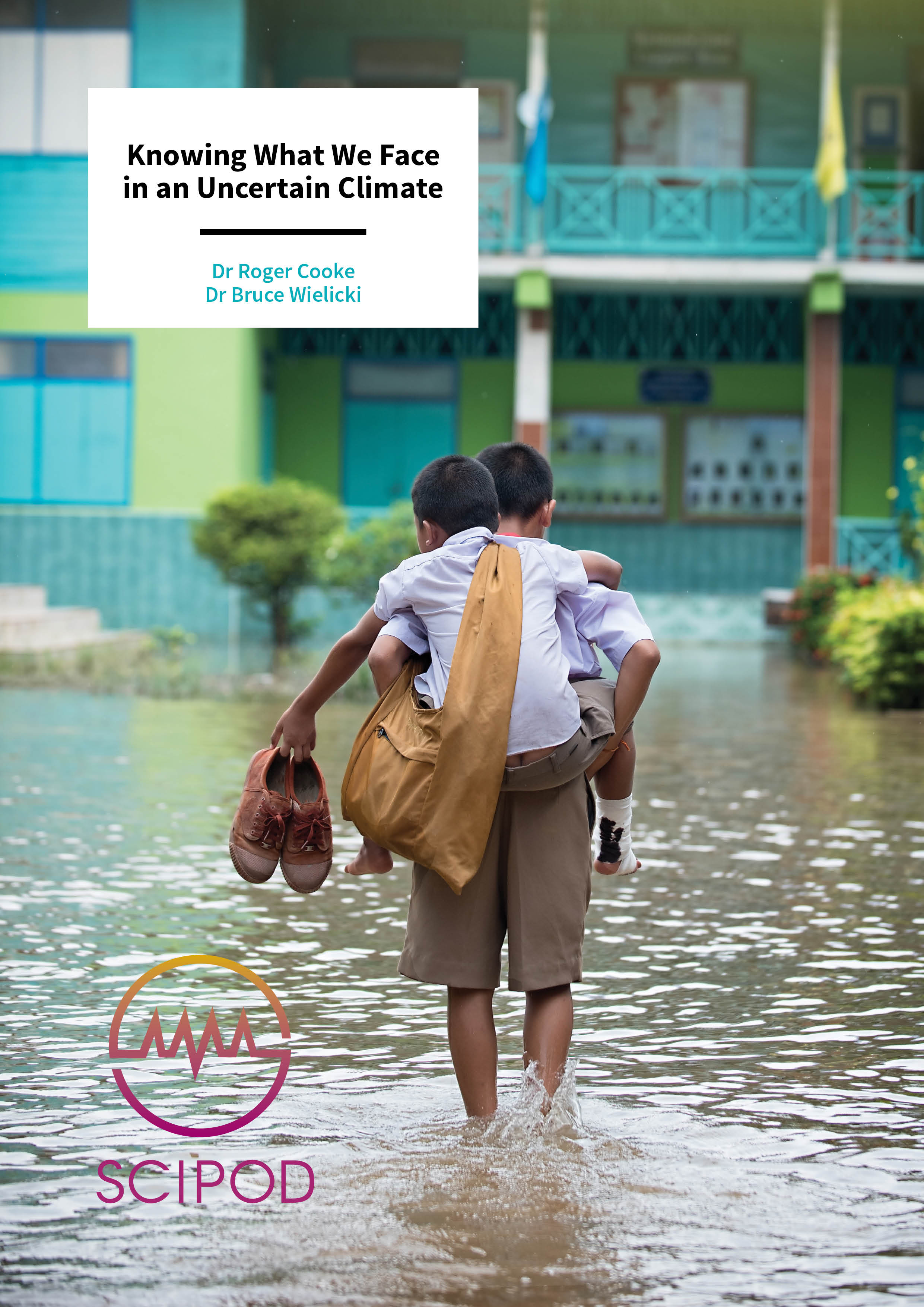
Improved Drought Early Warning Science Helps Save Lives and Livelihoods in Africa – Climate Hazards Group, University of California Santa Barbara

Jun 22, 2018earth and environment

Bringing together multidisciplinary scientists and food security analysts from UC Santa Barbara, Africa and Central America, the Climate Hazards Group develops datasets, tools and forecasts that help guide effective disaster responses and long-term development plans in food insecure countries. Working closely with partners in the US Geological Survey, NASA, and the Famine Early Warning Systems Network, the team uses climate and hydrologic models, satellite-based earth observations, and socio-economic data sets to predict and monitor droughts and food shortages among the world’s most vulnerable populations, supporting critical planning and timely humanitarian assistance that save lives and livelihoods.

[lbg_audio2_html5 settings_id=’91’]

You may also like …
Karl Fleming | Balancing Safety: Rethinking Prevention and Mitigation in a Complex World

In the world of nuclear energy, safety is not a single switch that can be turned on or off. It is a layered, evolving philosophy shaped by decades of engineering, research, and experience. At the heart of this philosophy lie two deceptively simple ideas: prevention and mitigation. These terms sound straightforward, yet their meaning becomes far more intricate when applied to modern reactor systems. The paper authored by Karl Fleming of KNF Consulting Services, and colleagues, invites us to rethink what these concepts truly mean, especially as nuclear technology advances into new territory.

Prof. Alex Vitkin | Seeing the Invisible: How Polarized Light Contributes to Our Understanding and Detection of Cancer

Light is something we encounter every day, so familiar that it rarely inspires a second thought. Yet beneath its apparent simplicity lies a remarkable complexity. Light can carry information in its brightness and color, but also in its polarization and phase, subtle properties that describe how its waves oscillate and interact. For decades, these hidden dimensions of light have remained largely untapped in medicine. Now, a growing body of research is beginning to reveal their extraordinary potential.

Dr. Manreet Bhullar | Invisible Hazards: How Water Shapes the Safety of Hydroponic Food

At first glance, hydroponic farming seems like the future made real. Rows of leafy greens grow indoors, roots suspended in carefully balanced nutrient solutions, untouched by soil and shielded from many of the uncertainties of outdoor agriculture. This method promises efficiency, precision, and sustainability. It uses far less water than traditional farming and produces food in tightly controlled environments. Yet beneath this clean and modern image lies a quieter story about risk, one that flows through the very water that sustains these crops.

Lennart Kira – Dr. Jerome Noir | Listening to Moving Fluids: How Sound Waves Reveal Hidden Worlds

It would be difficult to understand the movement of water in a murky lake, or the swirling air inside a sealed chamber, without being able to see inside. For decades, scientists have relied on clever tricks to peer into such opaque environments, often adding particles or using optical techniques. But what if the fluid is too dark, too enclosed, or too delicate for those methods? A new approach, developed by researchers Lennart Kira and Dr. Jerome Noir of ETH Zurich, offers a compelling answer. It listens instead of looks.

Jenni AI: Preserving academic integrity in an age of AI-written text

As generative AI becomes ever more convincing at mimicking human text, many universities and academic institutions have come to rely on AI detection tools to police academic integrity. However, recent research has clearly demonstrated that these tools are not only ineffective, they are also amplifying systematic injustices in academia. Jenni AI presents a smarter workspace for drafting, citing, and proofreading: helping students and researchers make the best possible use of AI tools while ensuring their academic integrity is preserved.

Where Gas Meets Liquid: Rethinking Carbon Capture for a Net-Zero Future | Dr. Ali Najarnezhadmashhadi

The story of climate change is often told through numbers. Rising temperatures, increasing atmospheric carbon dioxide, and tightening timelines toward global climate targets dominate headlines. Yet behind these numbers lies a quieter, more complex story of engineering innovation. It is a story about how we might redesign industrial systems to reduce emissions without dismantling the infrastructure that modern life depends on. At the center of this effort is carbon capture, a technology that has shifted from theoretical promise to practical necessity.

Mara Bălașa – Professor Rickard Sandberg | Green Steel and the Price of a Cleaner Future

Steel is everywhere. It forms the skeletons of skyscrapers, the frames of cars, the rails beneath trains, and the machines that build modern economies. Yet behind this essential material lies a difficult truth. Steelmaking is one of the world’s most carbon intensive industries. Each ton of conventional steel can release nearly two tons of carbon dioxide into the atmosphere. As countries race to reduce emissions and limit climate change, transforming the way steel is made has become an urgent challenge.

Prof. Abdullah Alrasheed | How Light, Air, and Time Shape the Future of Two-Dimensional Materials

Over the past two decades, materials science has been quietly transforming the technological foundations of everyday life. While consumers notice faster phones and more capable computers, the deeper story unfolds at the scale of atoms. Scientists are learning how to isolate and control materials that are only a few atoms thick, revealing forms of matter whose behavior differs profoundly from their bulk counterparts. These so-called two-dimensional materials promise a new generation of electronics, sensors, and photonic devices. At the same time, they challenge long held assumptions about stability, reliability, and control at the smallest scales. Researchers such as Prof. Abdullah Alrasheed of the King Abdulaziz City for Science and Technology are helping to expand our knowledge and push the boundaries of what is possible in this sphere.

Jonathan Ruiz Esquius | How Smarter Catalysts Could Unlock the Future of Hydrogen Energy

Hydrogen is often presented as one of the most promising tools we have for cutting carbon emissions, especially in parts of the economy where clean alternatives are limited. Heavy industry, long-distance transport, and chemical manufacturing all need large amounts of energy that cannot easily be supplied by batteries alone. Green hydrogen, produced using renewable electricity, could fill that gap. Governments are investing billions to make this happen, but there is a catch. The technology depends on rare materials that could become a bottleneck just as demand takes off. New research led by Jonathan Ruiz Esquius, and conducted by chemist Sara Riera, at the Carbon Science and Technology Institute in Spain, shows how smarter catalyst design could help remove that barrier.

Dr. Jürgen Gailer | Linking the Blood Chemistry of Metals with Adverse Human Health: New Tools Reveal an Invisible World

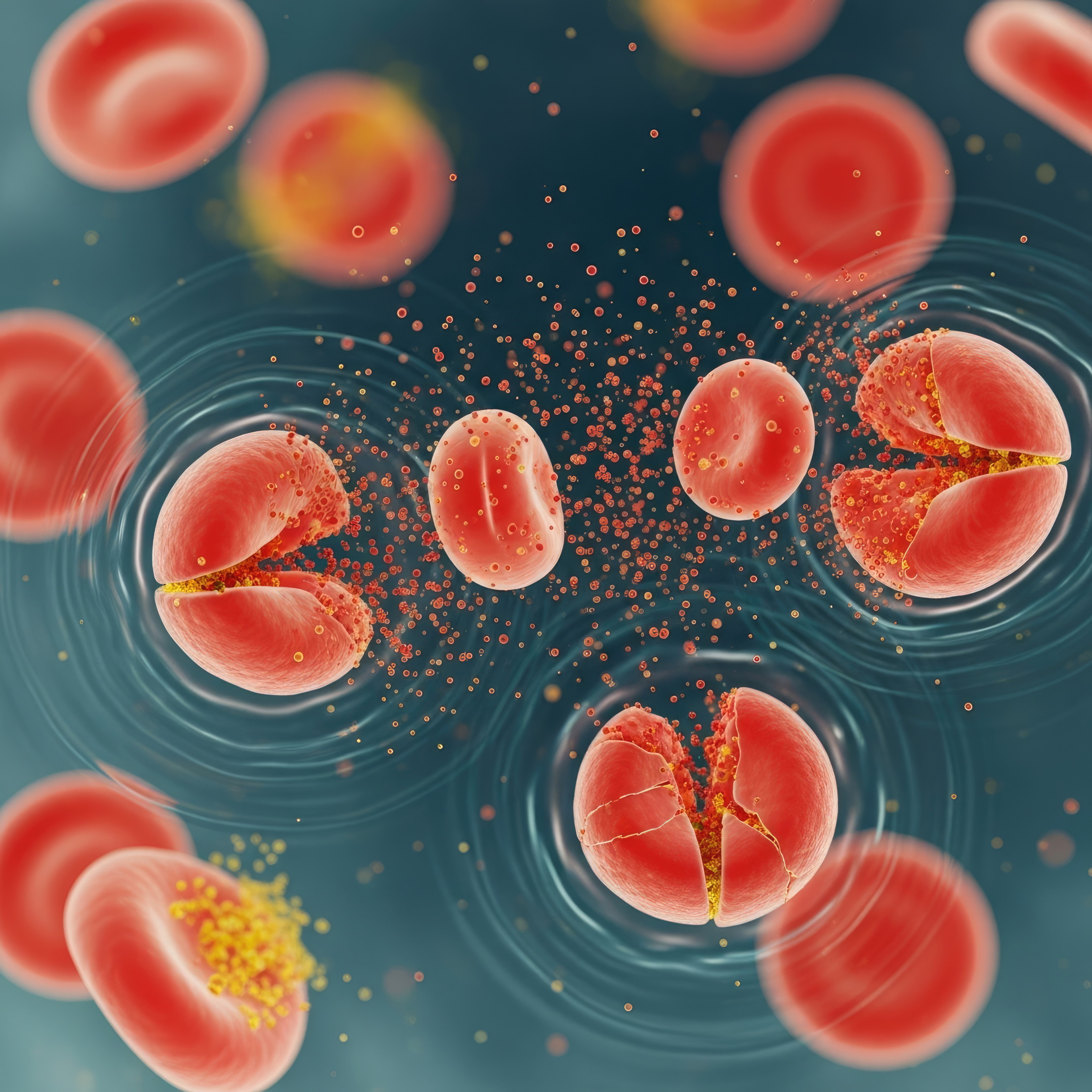
Researchers Maryam Doroudian and Jürgen Gailer from the University of Calgary explore what happens when red blood cells rupture and release a zinc-containing enzyme called carbonic anhydrase 1 into the bloodstream, revealing that it remains unexpectedly free and may influence vascular health. Their work also connects to broader research showing how liquid chromatography is transforming our ability to study toxic cadmium and mercury as they move through the body. Together, these studies uncover hidden biochemical processes that shape how environmental pollutants and blood-cell damage affect human health.