Nature’s Vital Signs, Using Bioindicators to Understand Ecosystem Health – Dr Paul Montagna, Texas A&M
Original Article Reference
https://doi.org/10.26320/SCIENTIA243
Share Episode

About this episode
This work is licensed under a Creative Commons Attribution 4.0 International License. 
What does this mean?
Share: You can copy and redistribute the material in any medium
or format
Adapt: You can change, and build upon the material for any
purpose, even commercially.
Credit: You must give appropriate credit, provide a link to the
license, and indicate if changes were made.
Related episodes
Dr Ross Wylie | When Floodwaters Rise: What Australia’s Battle with Fire Ants Reveals About Nature’s Great Survivors
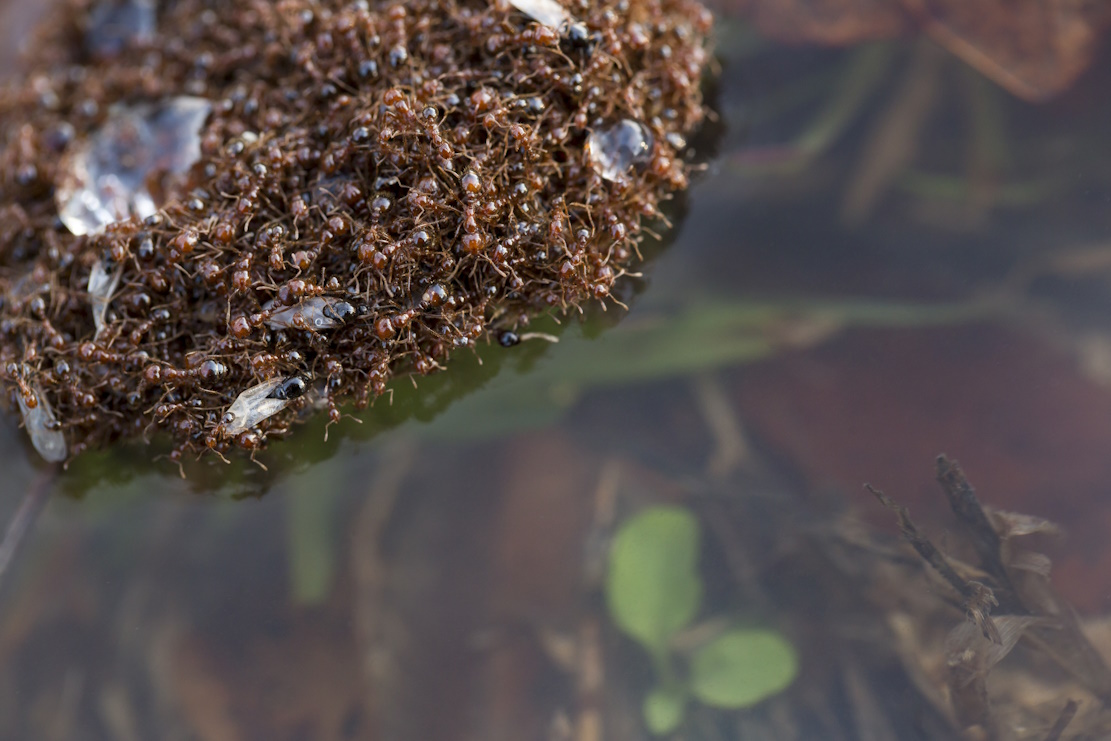
When most of us imagine a flood, we think of destruction, displacement, and recovery. Few would imagine that some of nature’s smallest creatures see floodwaters not only as a threat but also as an opportunity. Among these remarkable survivors is the red imported fire ant, an invasive species that has become one of Australia’s most closely monitored pests. Fire ants are notorious for their painful stings and their ability to spread rapidly across landscapes. Native to South America, they have successfully established themselves in several countries around the world. In Australia, where authorities have invested heavily in an ambitious eradication program, understanding how these ants move and survive is critical. One of the most fascinating questions researchers have explored is whether floods help fire ants spread into new territory. The answer turns out to be more complicated than many people might expect.

Dr. Daniel Kroeger | Sleeping More Than Ever Before: The Surprising Science of Extra Sleep and Anxiety
For centuries, sleep has remained one of humanity’s greatest biological mysteries. We spend roughly a third of our lives doing it, yet scientists are still trying to fully understand why the brain insists upon sleep. It seems clear that sleep restores the body, sharpens memory, regulates emotions, and keeps countless internal systems in balance. But one major problem has always complicated sleep research: most experiments focus on what happens when sleep is taken away. That approach has taught researchers a great deal. Sleep deprivation has been linked to poor concentration, weakened immune function, emotional instability, and a long list of health problems. Yet asking what happens when sleep is removed only tells part of the story. It is a little like studying hunger by starving people without ever exploring what happens when they are exceptionally well fed.

Prof. Megan Lancaster | The Hidden Signals of the Heart: How Genetics Is Transforming the Fight Against Sudden Cardiac Death
The human heart beats with a rhythm so steady that most of us rarely stop to consider it. Each pulse carries oxygen, sustains life, and quietly reflects the intricate biological systems that keep us alive. However, this familiar rhythm requires a delicate electrical balance. When that balance is disturbed, the consequences can be sudden and severe. Among the most striking examples is Long QT syndrome, a condition that can lurk silently until it triggers a dangerous arrhythmia or even sudden cardiac death.

Prof. Jullie Pan | The Brain’s Hidden Chemistry: What the Hippocampus Reveals About Memory, Energy, and Disease
The human brain is often described as one of the most complex objects in the known universe. Yet even within this astonishing organ, a small curved structure deep in the temporal lobe has drawn extraordinary scientific attention for decades. This structure, the hippocampus, plays a central role in memory formation, learning, emotional processing, and spatial navigation. It is also one of the brain regions most vulnerable to disease.
Increase the impact of your research
• Good science communication encourages everyday people to be scientifically literate so that they can analyse the integrity and legitimacy of information.
• Good science communication encourages people into STEM-related fields of study and employment.
• Good public science communication fosters a community around research that includes both members of the public, policymakers and scientists.
• In a recent survey, 75% of people suggested they would prefer to listen to an interesting story than read it.
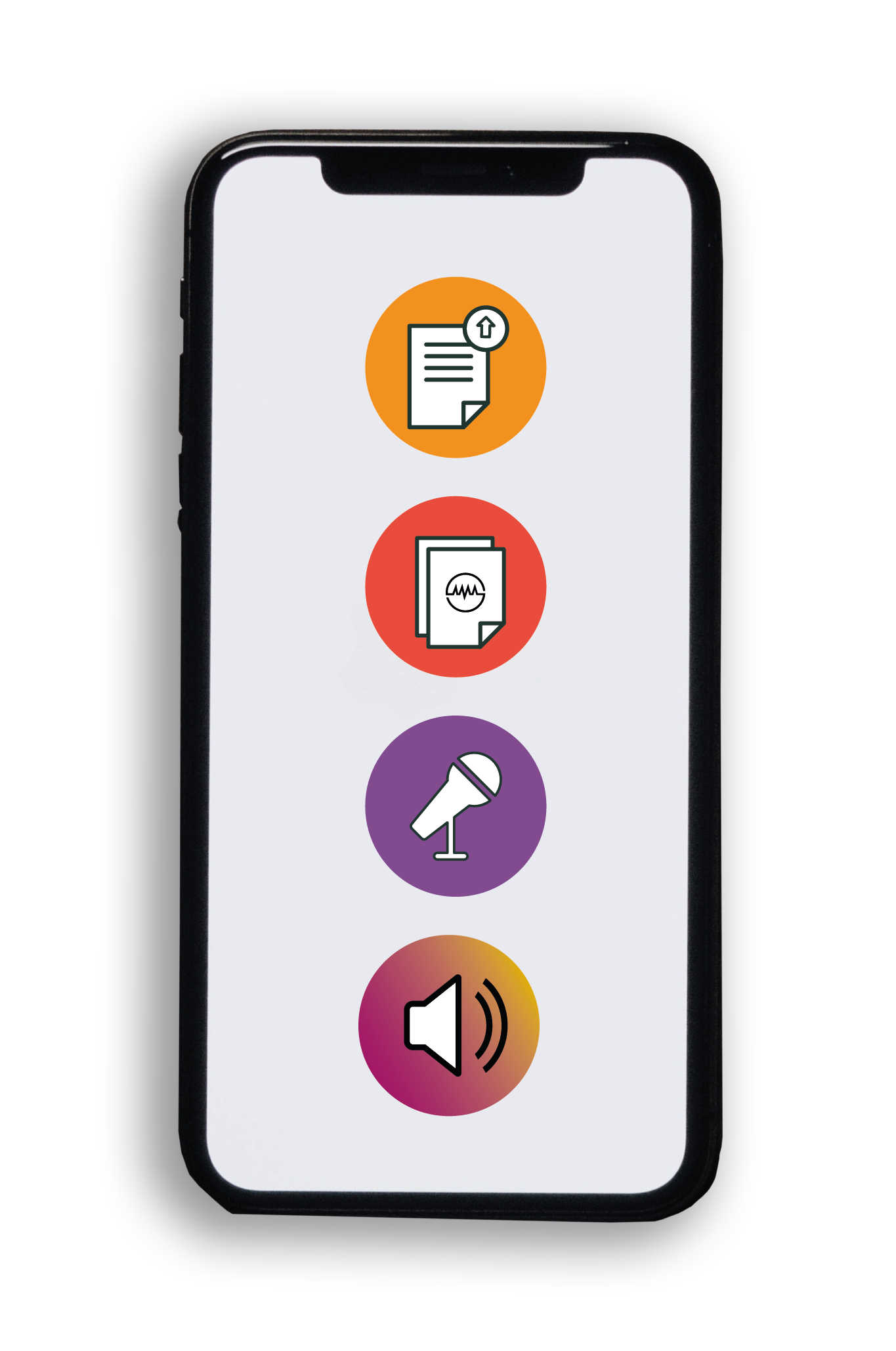
Upload your science paper
Step 2
SciPod script written
Step 3
Voice audio recorded
Step 4
SciPod published