by Iliyah Maddox | Jan 23, 2026 | biology, engineering and tech, health and medicine
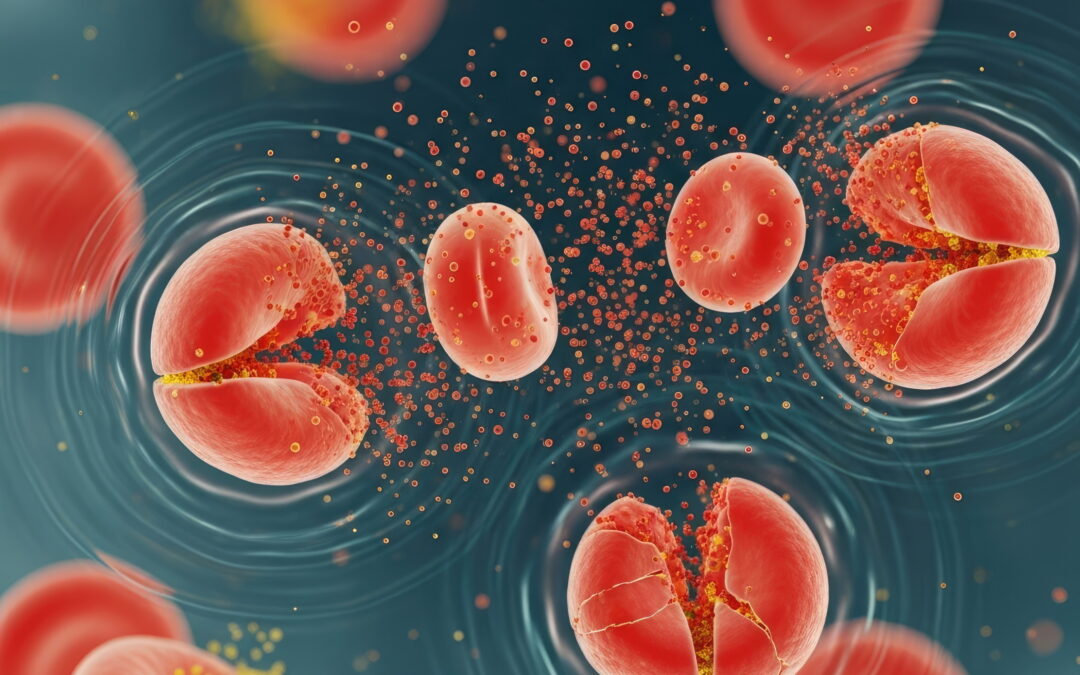
Researchers Maryam Doroudian and Jürgen Gailer from the University of Calgary explore what happens when red blood cells rupture and release a zinc-containing enzyme called carbonic anhydrase 1 into the bloodstream, revealing that it remains unexpectedly free and may influence vascular health. Their work also connects to broader research showing how liquid chromatography is transforming our ability to study toxic cadmium and mercury as they move through the body. Together, these studies uncover hidden biochemical processes that shape how environmental pollutants and blood-cell damage affect human health.
by Iliyah Maddox | Jan 13, 2026 | engineering and tech, health and medicine
In the world of opioid addiction treatment, the hardest moment often arrives precisely when hope begins to emerge. It is the moment someone chooses to stop using opioids. That decision, courageous and life-changing, almost immediately collides with one of the most punishing physiologic syndromes known in medicine: opioid withdrawal. Withdrawal brings waves of nausea, sweats, shaking, cramps, insomnia, anxiety, and extremely intense cravings. For countless individuals, this moment is a seemingly inescapable stumbling block that can be the undoing of their recovery. They want to stop, they mean to stop, but withdrawal can become an insurmountable barrier.

by Iliyah Maddox | Nov 20, 2025 | health and medicine
Science diplomacy, meaning the use of scientific collaboration to strengthen international relations and address shared global challenges, has long been hailed as a force for good. Yet, as Dr. Rasha Bayoumi of the University of Birmingham Dubai and her colleagues argue in their Editorial for a special issue in the journal Frontiers in Public Health, this optimism often masks uncomfortable realities. The practice of science diplomacy has too often reproduced the very inequalities it aims to dismantle, operating within frameworks that privilege powerful nations and institutions while marginalizing voices from the Global South.
by Iliyah Maddox | Nov 18, 2025 | engineering and tech, health and medicine
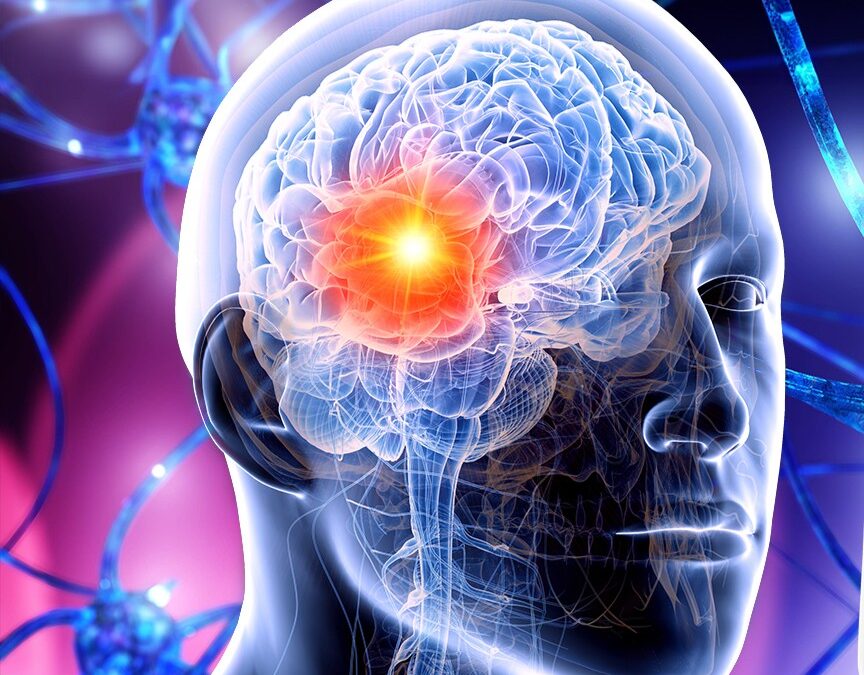
Across the world, scientists are still trying to answer one of medicine’s most difficult questions: how can we safely and effectively treat brain cancers such as glioma? Despite decades of effort, outcomes for people diagnosed with high-grade glioma remain bleak. Current treatments, including surgery, radiotherapy, and chemotherapy, can slow the disease, but rarely stop it. The GlioLighT consortium, a multidisciplinary European research team funded by the European Innovation Council, has come together to explore a novel approach based on direct light therapy. Being in a very early stage, the project doesn’t promise an immediate cure; instead, it sets out to answer a very fundamental question: can light itself trigger biological processes that might form the basis of a safe and targeted brain tumor therapy?
by Iliyah Maddox | Nov 12, 2025 | engineering and tech, health and medicine
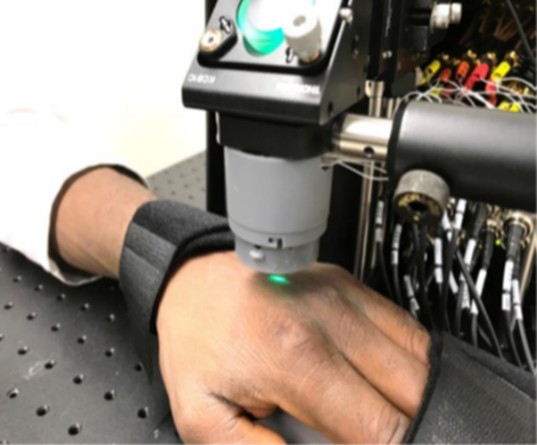
For centuries, malaria has been one of the deadliest diseases on the planet. Nearly half of the world remains at risk of malaria with more than half a million deaths each year, most of them in children. While some progress has been made in controlling malaria and developing a vaccine, this has stalled recently, with a growing number of deaths since 2019. At the heart of the challenge is the lack of non-invasive and rapid diagnostic technologies for malaria, which are urgently needed, especially in remote or low-resource areas with limited healthcare infrastructure. Happily, a new frontier in medical technology is offering hope, in the form of the Cytophone, a revolutionary device that can detect malaria through the skin without drawing a single drop of blood. This innovation, developed by a team led by Prof. Vladimir Zharov at the University of Arkansas for Medical Sciences and licensed to Cytoastra for further commercialization, represents a leap forward not just in malaria diagnostics, but in how we might monitor disease altogether.

by Iliyah Maddox | Oct 30, 2025 | health and medicine
For more than half a century, lithium has been one of the most reliable treatments for bipolar disorder. It has given countless people the ability to stabilize their moods and reclaim lives otherwise disrupted by cycles of mania and depression. But lithium comes with inherent risk: its therapeutic range is narrow, which means that the difference between a helpful dose and a harmful one is surprisingly small. Too much lithium in the body can lead to a cascade of health problems, including neurological confusion, tremors, kidney dysfunction, and, though much less well known, potentially dangerous effects on the heart. In a recent publication, Dr. Jeffrey Curran Henson of the University of Arkansas for Medical Sciences, and colleagues, shed light on one of lithium’s most alarming but underappreciated risks: its ability to disrupt the heart’s natural pacemaker, the sinus node. Their case study and systematic review tell the story of a patient whose life was threatened not by the mental illness she had long managed, but by the very medication that had allowed her to manage it. And in that story, the researchers also describe a novel way out: a treatment that avoided the need for invasive procedures and could reshape how we think about emergency care for lithium-related heart complications.