
by Iliyah Maddox | Aug 17, 2026 | biology, health and medicine
Autism spectrum disorder is one of the most widely discussed neurodevelopmental conditions, yet many of its deepest biological mysteries remain unsolved. Scientists have identified hundreds of genes linked to autism, explored environmental influences, and documented patterns in early childhood development. Even so, no single explanation has successfully brought these different pieces together into one coherent picture.

by Iliyah Maddox | Aug 13, 2026 | health and medicine
Type 2 diabetes has become one of the defining health challenges of our time. Hundreds of millions of people worldwide are living with the disease, and the numbers continue to climb. While unhealthy diets, reduced physical activity, and increasing rates of obesity have all contributed to this growing epidemic, they tell only part of the story. Genetics also plays an important role, influencing why some people develop diabetes while others remain healthy despite living similar lifestyles.
by Iliyah Maddox | Aug 12, 2026 | health and medicine
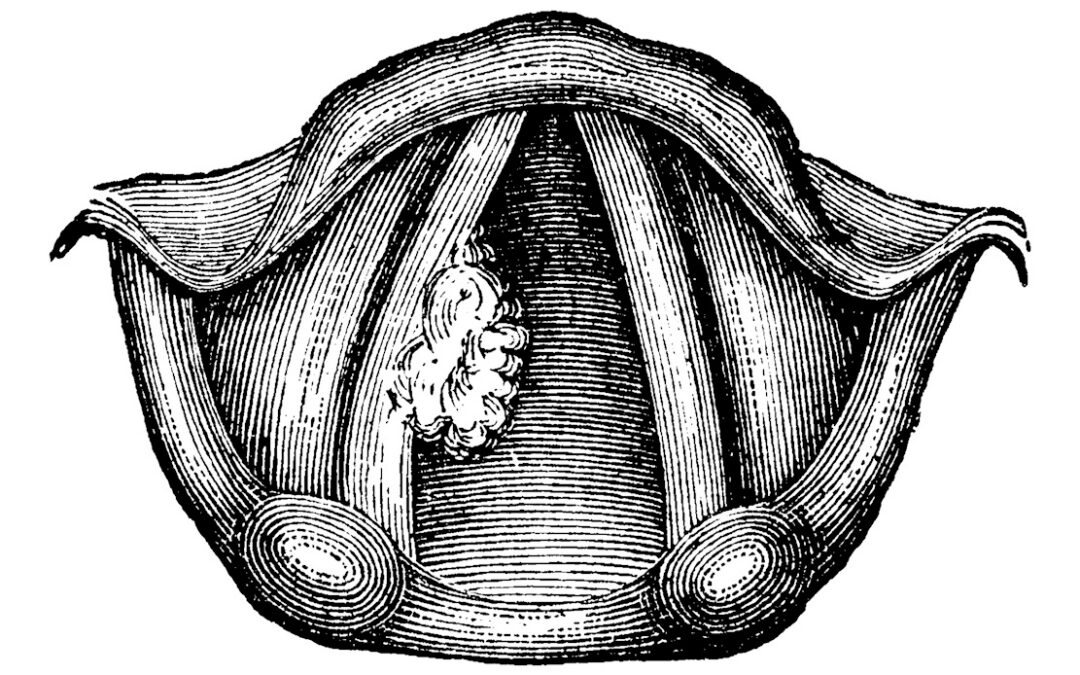
Im späten neunzehnten Jahrhundert stand die Medizin an der Schwelle zwischen Verzweiflung und Entdeckung. Krebs des Kehlkopfes, jener Struktur, die uns die Stimme verleiht und unsere Atemwege schützt, verlief fast immer tödlich. Chirurgen verfügten nur über wenige Werkzeuge und noch weniger Erfolge. Dann veränderte im Jahr 1873 eine mutige und kontroverse Operation alles. Theodor Billroth führte die erste totale Laryngektomie durch und entfernte einem menschlichen Patienten den gesamten Kehlkopf. Es war ein radikaler Eingriff, der ein Leben rettete – allerdings um den Preis des Sprachvermögens und der natürlichen Atmung. Dieser Moment markierte den Beginn einer langen und sich stetig weiterentwickelnden Reise in der Behandlung von Kopf-Hals-Karzinomen.

by Iliyah Maddox | Aug 11, 2026 | health and medicine
For decades, cancer treatment has followed a familiar path. A tumor is found, surgery removes it, radiation burns what remains, and chemotherapy or immunotherapy attempts to destroy cells that may have spread elsewhere. These treatments have saved countless lives, yet they often come with immense physical, emotional, and financial costs. Many patients endure fatigue, pain, scarring, organ damage, mounting bills and lifelong side effects. However, the extraordinary advances of modern medicine have often included the commercial viability of a proven medical product, regardless of its cost and accessibility. The dream of a gentler, more precise, and more effective cancer treatment has remained elusive.

by Iliyah Maddox | Aug 10, 2026 | health and medicine, social and behavioural sciences
For millions of girls around the world, education represents hope. It offers the possibility of independence, financial security, improved health, and the chance to shape a different future from previous generations. Yet for many girls, the path to education is filled with obstacles that receive little attention. Some are obvious, such as poverty or long journeys to school. Others are far less visible, hidden behind silence, embarrassment and social expectations. One of the most overlooked is menstruation.
by Iliyah Maddox | Jul 24, 2026 | health and medicine
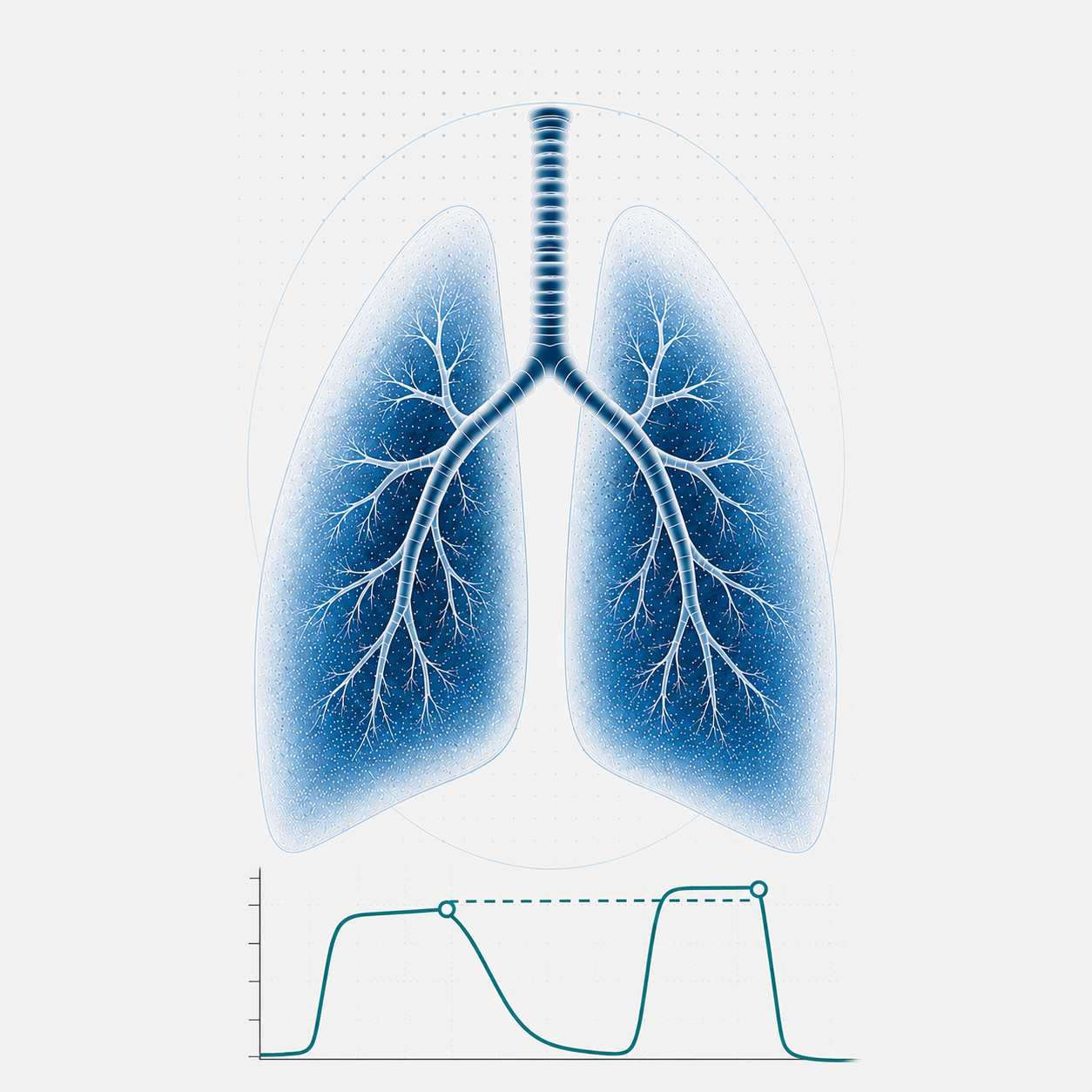
Every healthcare professional involved in the care of patients with chronic obstructive pulmonary disease understands the challenge. COPD is one of the world’s leading causes of illness and death, affecting more than 300 million people and placing an enormous burden on healthcare systems. Although treatment options have improved significantly over recent decades, clinicians continue to face a fundamental problem. They mostly rely on diagnostic measurements that do not fully capture the disease’s complexity. For many years, a simple form of spirometry has been the cornerstone of COPD diagnosis and management. The ratio of forced expiratory volume in one second and forced vital capacity is relatively easy and inexpensive to measure. It is therefore widely available and is supported by decades of clinical experience. This ratio has become so firmly established as a measure of the disease that it is virtually impossible to imagine COPD assessment without it.