
AudioPod

About this episode
Non-human primates play crucial roles in sustaining natural ecosystems worldwide. However, approximately 68% of primate species are now at risk of extinction, mainly due to agriculture and the depletion of natural resources. Dr Alejandro Estrada at the National Autonomous University of Mexico, Dr Paul A. Garber at the University of Illinois-Urbana, and a group of scientists from various parts of the world recently carried out a study to better understand the role that Indigenous Peoples play in the conservation of threatened primates.
Original Article Reference
This SciPod is a summary of the paper ‘Global importance of indigenous peoples, their lands, and knowledge systems for saving the world’s primates from extinction’ in Science Advances, 2022. https://doi.org/10.1126/sciadv.abn2927
This work is licensed under a Creative Commons Attribution 4.0 International License. 
What does this mean?
Share: You can copy and redistribute the material in any medium or format
Adapt: You can change, and build upon the material for any purpose, even commercially.
Credit: You must give appropriate credit, provide a link to the license, and indicate if changes were made.
Increase the impact of your research!
More episodes
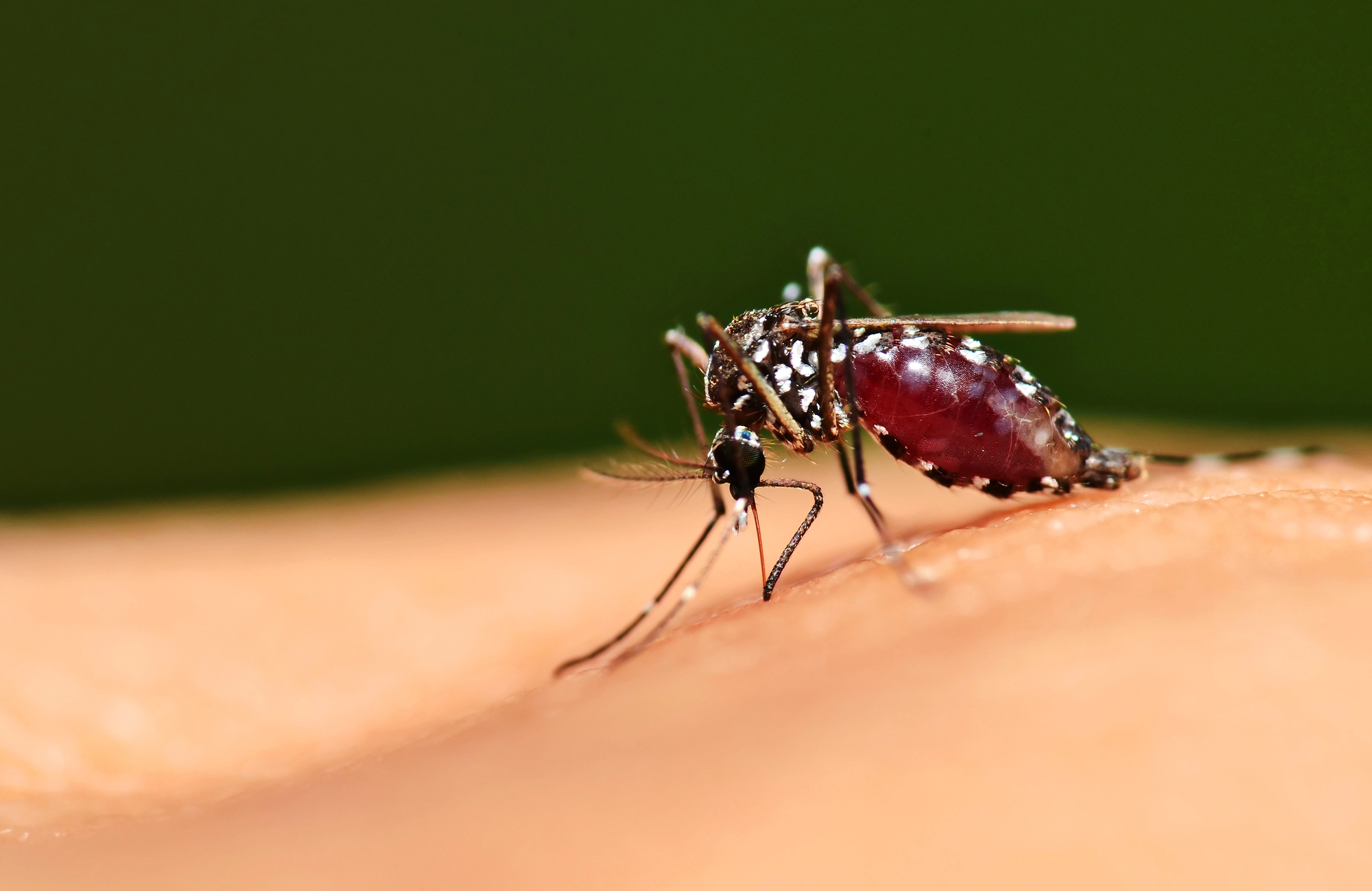
Dr. Shimaa Ghazal | Reading the Mosquito: What Two New Genomes Can Tell Us About Malaria
A mosquito’s whine is easy to dismiss as a minor irritation. Yet some mosquitoes carry one of humanity’s oldest and...

Ben de Vries | The Hidden Netherlands: Inside the Secret World of the Cold War
Every first Monday of the month, at exactly 12.00 hours, warning sirens echo across the Netherlands. For many people...

Dr. Fay Betsou | The Hidden Life of a Biospecimen: Why Better Medical Research Begins Before the Laboratory Assay
To most of us, a vial of blood looks like a simple container of biological truth, a snapshot of what was happening...
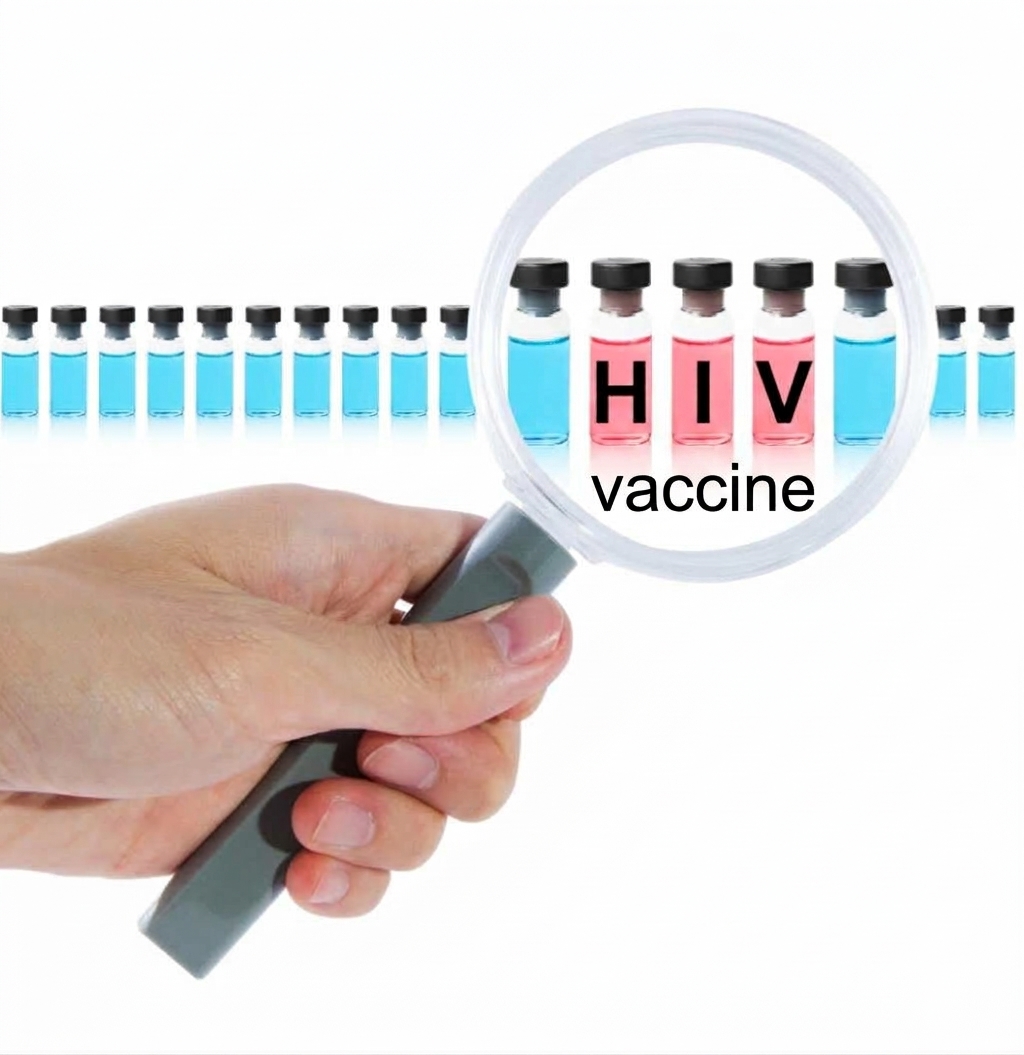
Prof. Shan Lu | Inducing Polyfunctional Antibodies: A Promising Chapter in the Long Search for an HIV Vaccine
For more than four decades, HIV has challenged some of the brightest scientific minds in the world. Tremendous...

Prof. Yu Du | The Age of Judgment: What Sentencing Reveals About Youth, Maturity, and Mercy
Imagine two people standing before a judge. One is nineteen, old enough to vote and be tried as an adult, but still...

Prof. Dr. Daniel Gredig | Protection Is a Conversation: How Modern HIV Prevention Is Changing Intimacy and Trust
The story of HIV prevention has changed dramatically over the past four decades. What was once dominated by fear and...