
Bile Acids Are Not Just for Digestion – Professors Phillip Hylemon and Huiping Zhou, Virginia Commonwealth University
Original Article Reference
https://doi.org/10.26320/SCIENTIA228
Share Episode

About this episode
This work is licensed under a Creative Commons Attribution 4.0 International License. 
What does this mean?
Share: You can copy and redistribute the material in any medium
or format
Adapt: You can change, and build upon the material for any
purpose, even commercially.
Credit: You must give appropriate credit, provide a link to the
license, and indicate if changes were made.
Related episodes

Prof. Yuben Moodley | Signals in the Scars: The Search for New Ways to Predict and Treat Lung Fibrosis
Breathing is so automatic that most of us notice it only when something goes wrong. Yet every breath depends on an extraordinarily delicate structure. Inside the lungs, tiny air sacs provide a vast, thin surface across which oxygen enters the blood. When that tissue is repeatedly injured, the body’s attempt to repair it can become part of the problem. Instead of restoring flexible lung tissue, repair processes may leave behind excessive scar tissue. As this fibrosis accumulates, the lungs become stiffer and less able to perform their essential task.

Prof. John Kopchick | Turning Off Cancer’s Growth Signal: The Unexpected New Life of a Growth Hormone Related Drug
When most of us hear “growth hormone,” we think of childhood, with bones lengthening, bodies developing, and the remarkable biological machinery that turns a small child into an adult. Growth hormone, or GH, deserves that reputation. Produced mainly by the pituitary gland, it helps regulate growth, metabolism, organ development and the production of another important messenger, insulin-like growth factor 1. Yet decades of research have revealed a more complicated story. The same signals that encourage healthy cells to grow and adapt can, in the wrong setting, help cancer cells survive.Because of these unanswered questions, researchers around the world continue searching for new ways to understand gravity. One intriguing contribution comes from Prof. Roberto Sussman and Dr. Sebastián Nájera of the National Autonomous University of Mexico, who have proposed a new gravity theory they denote as “Schouten–Codazzi Gravity”. Their work explores whether gravity might be described by a modified set of mathematical rules that remain closely connected to Einstein’s theory while opening the door to new possibilities.

Dr. Jerome Kim – Prof. Nicaise Ndembi | The future vaccine landscape: reaching more people with new technologies
For more than half a century, vaccines have quietly transformed human life. They have prevented suffering on a scale that is difficult to imagine, protecting millions of children from diseases that once claimed countless lives. Many of the most dramatic public health victories of the modern era have been built on vaccination. Diseases that once filled hospitals, overwhelmed families, and devastated communities became rare or disappeared entirely in many parts of the world. Yet vaccination now stands at a fascinating moment in history.
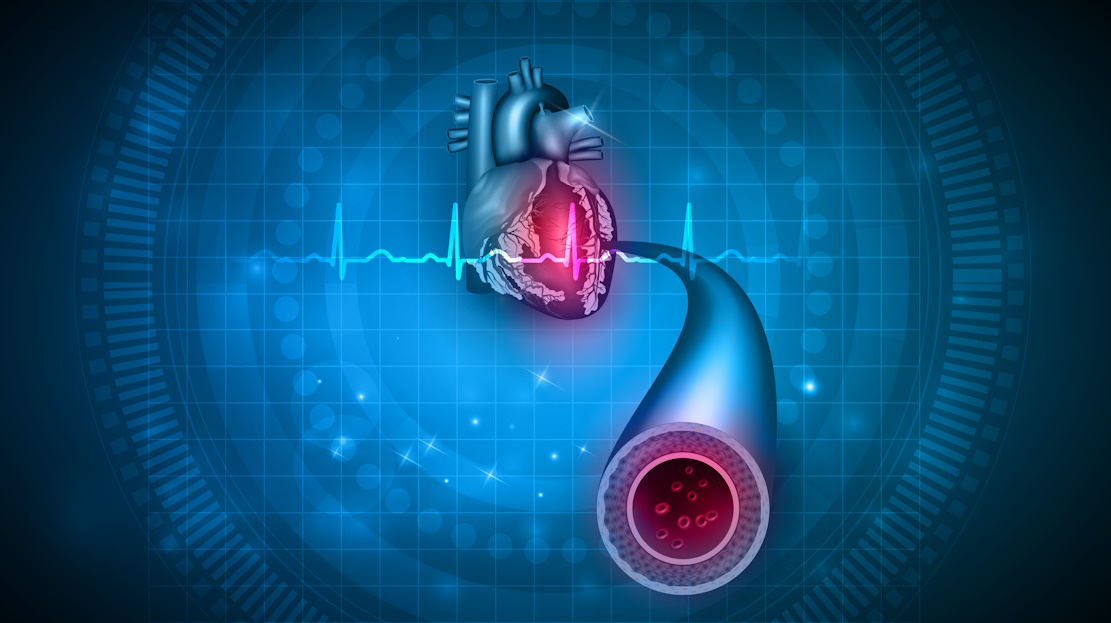
Prof. Lawrence Mulligan | The Heart’s Hidden Economy: Why Efficiency May Be the Next Frontier in Cardiovascular Health
Every second of every day, your heart performs an extraordinary balancing act. Roughly the size of your fist, this remarkable organ contracts about 100,000 times each day, pumping thousands of litres of blood through an intricate network of vessels. It does so with astonishing reliability, rarely taking a break from the moment it first begins beating before birth until the end of life. Most of us think about the heart in simple terms. We measure its rate, check our blood pressure, or perhaps hear about blocked arteries and heart attacks. Doctors often assess how much blood the heart pumps with each beat or calculate the familiar “ejection fraction,” which estimates how well the heart empties during contraction. These measurements are valuable, but they tell only part of the story.
Increase the impact of your research
• Good science communication encourages everyday people to be scientifically literate so that they can analyse the integrity and legitimacy of information.
• Good science communication encourages people into STEM-related fields of study and employment.
• Good public science communication fosters a community around research that includes both members of the public, policymakers and scientists.
• In a recent survey, 75% of people suggested they would prefer to listen to an interesting story than read it.
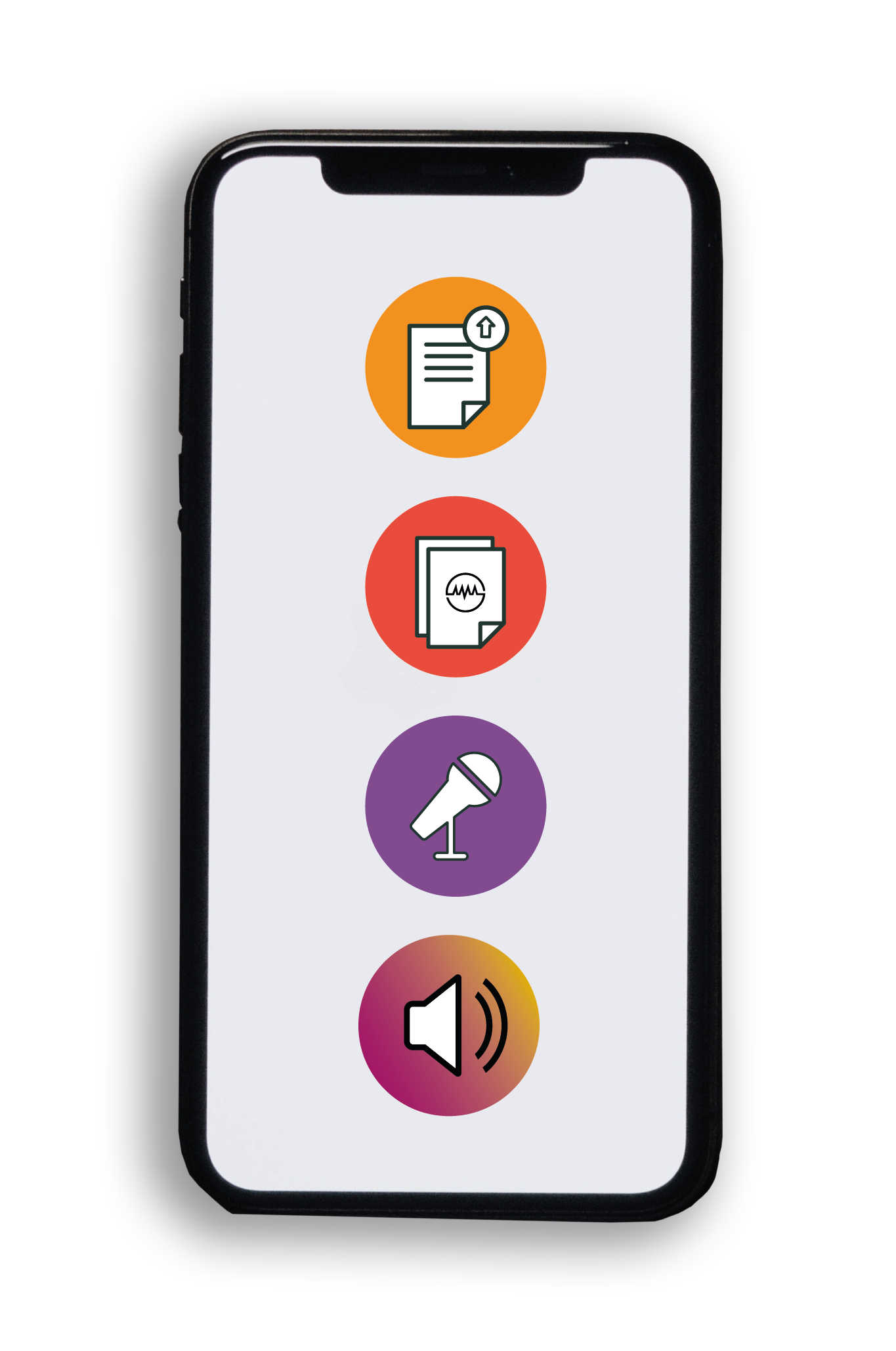
Upload your science paper
Step 2
SciPod script written
Step 3
Voice audio recorded
Step 4
SciPod published