
Arts and Humanities
Explore Arts and Humanities
Arendt’s Ethics of Otherness: Rethinking How We See Other People | Professor Andreea Deciu
The 20th Century philosopher Hannah Arendt grounded ethics in aesthetics because she viewed art as a way of understanding how the world appears to different people. In her recent work, Professor Andreea Deciu [day-chew] Ritivoi [ree-tee-voy] of Carnegie Mellon University highlights Arendt’s rich repertoire of literary writings, as she believes that they deserve to be considered alongside other popular ethical works. Professor Ritivoi shows how Arendt’s unique contribution identifies the obstacles facing ‘human togetherness’, so that we can find ways to overcome them.

How Soundtracks Shape What We See | Dr. Alessandro Ansani
Music has the power to influence how we interpret the world around us. Dr. Alessandro Ansani from the Department of Psychology at Sapienza University of Rome believes this interpretation is multidimensional and involves several interconnected cognitive factors and mechanisms. He has recently demonstrated the significant impact that background music can have on our interpretation of a simple movie scene, by manipulating the soundtrack.
Exploring Cyberpunk as a Post-Utopian Genre | Professor Elana Gomel
Cyberpunk brings to mind neon lights, artificial intelligence and mega corporations. It is a subgenre of science fiction set in a dystopian, futuristic, and oppressive setting, with advanced technology often featured alongside societal decay. Professor Elana Gomel [ee-lah-nah go-mell] in the Department of English and American Studies at Tel-Aviv University in Israel specialises in narrative theory with a particular focus on the intersection between literature and science. In her recent work focusing on the cyberpunk genre, Professor Elana Gomel argues that cyberpunk is not a dystopian modality of representation; rather, it is better classified as ‘post-utopian’.

China’s Belt and Road Initiative: An Epochal Initiative Connecting the World – Professor Xiangming Chen, Trinity College
SciPod · China’s Belt And Road Initiative: An Epochal Initiative Connecting The WorldOriginal Article Reference This SciPod is a summary of:...
Exploring How Technology Enhances Inclusion and Participation in Humanities Research – Dr Anna Khlusova, Kings College London
SciPod · Exploring How Technology Enhances Inclusion and Participation in Humanities ResearchIn Collaboration with Original Article Reference This SciPod is a summary...
Social and Political Determinants of Health in the Occupied Palestinian Territory During the COVID-19 Pandemic
SciPod · Social And Political Determinants Of Health In The Occupied Palestinian Territory During COVID - 19In Collaboration with Original Article Reference This SciPod...
Socioeconomic Determinants of Covid-19 Infections and Mortality: Evidence from England and Wales
SciPod · Socioeconomic Determinants Of Covid-19 Infections And Mortality: Evidence From England And WalesIn Collaboration with Original Article Reference This SciPod is...
Andy Ridgway | The Evolution Of Science Journalism
Like other animals, humans have unique ways of approaching a potential mate and securing their affections. The goal of these ‘wooing’ processes is generally to establish a long-term romantic relationship with the person of interest. Victor de Munck, a Professor of Anthropology at Vilnius University, recently carried out a fascinating study exploring the most common patterns of courtship observed in the United States today, and the cultural influences underpinning these patterns.
An Arts-based Approach to Science Communication Training – Dr Daniel J. McGarvey and Sarah E. Faris
Original Article Reference https://doi.org/10.26320/SCIENTIA311 Share Episode About this episodeRapid growth in the number and diversity of digital media...
The Shape of Rational Choices in Game Theory – Dr Tarun Sabarwal, University of Kansas
Original Article Reference https://doi.org/10.26320/SCIENTIA212 Share Episode About this episodeThe choices we make in various situations have collective...
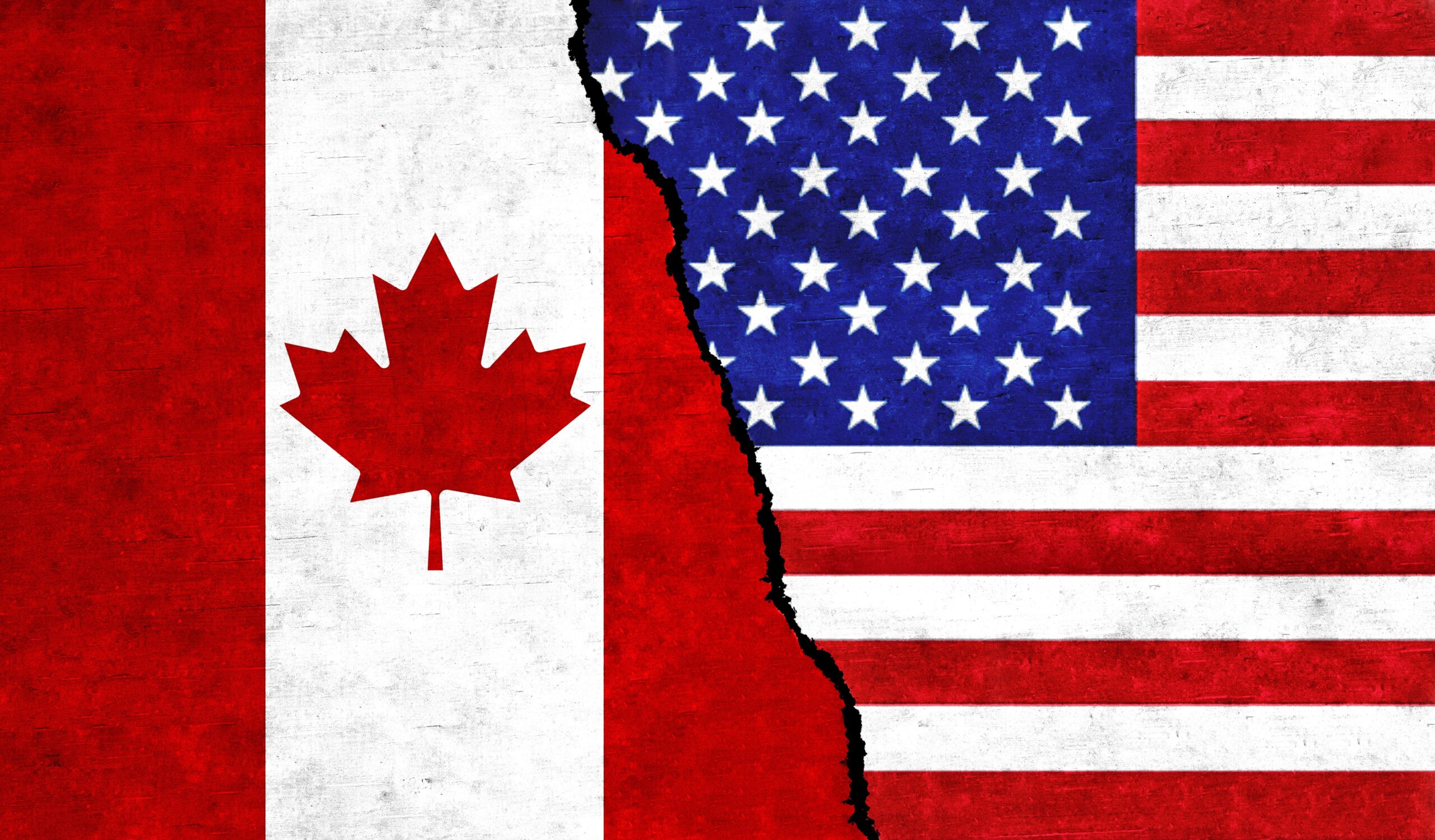
Professor Will Greaves | How Donald Trump has changed Canada-US relations
Research by Professor Will Greaves at the University of Victoria examines how the Trump presidency has impacted the long-standing security relationship between Canada and the United States. His analysis reveals concerning shifts in the foundations of bilateral cooperation and trust between these traditionally close allies, with implications for the future of North American security arrangements.

Professor Magnus S. Magnusson | The surprising similarities between the structures of human cells and societies
Research by Professor Magnus S. Magnusson at the University of Iceland demonstrates surprising similarities between the organization of cellular protein networks and of human societies. He reveals how the invention of writing and, very recently, general education, transformed human civilization in ways that mirror ancient biological developments and emphasises how this makes humans unique.

Professor Bernd Schlipphak – Professor Oliver Treib – Dr. Constantin Schäfer | How citizens’ identities shape their support for international organizations
Research by Professors Bernd Schlipphak and Oliver Treib, both of the University of Münster, along with Doctor Constantin Schäfer of ifok GmbH, Germany, reveals how people’s sense of global identity influences their support for international organizations. Their work demonstrates that reforms to international organizations can have opposing effects on different groups of citizens, potentially increasing societal divisions about global cooperation.
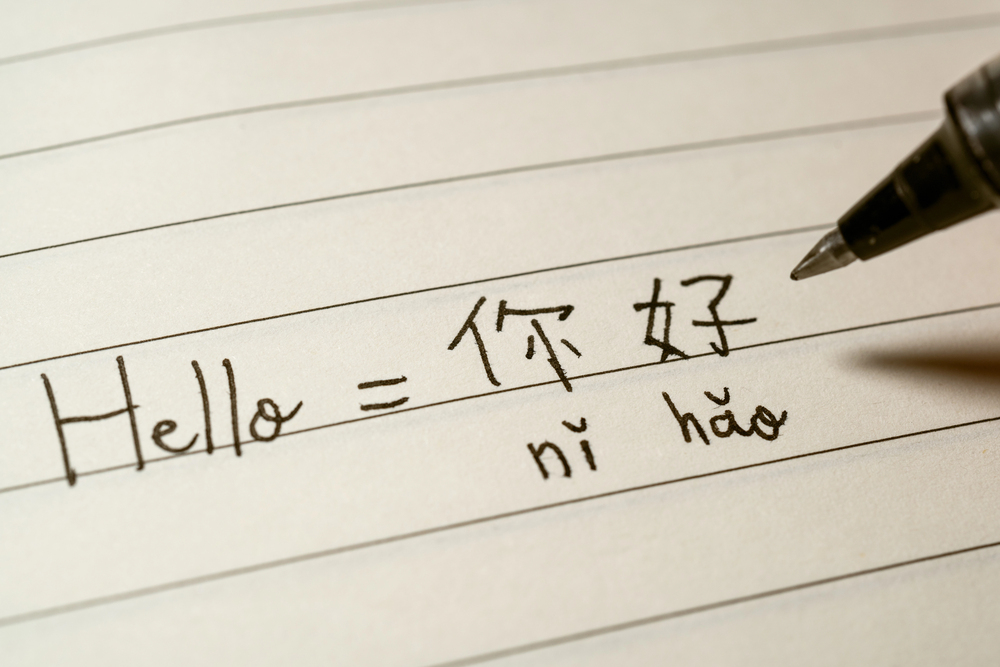
Professor Shanshan Yan | Heritage Language Learners Show Unique Advantages in Chinese Language Processing
Learning a new language as an adult is challenging, especially when the new language has features that differ significantly from one’s native tongue. This phenomenon is key to a new study led by Professor Shanshan Yan at Peking University, which examines how language learning is affected when learners encounter features in their second language that are similar to those in their first language.
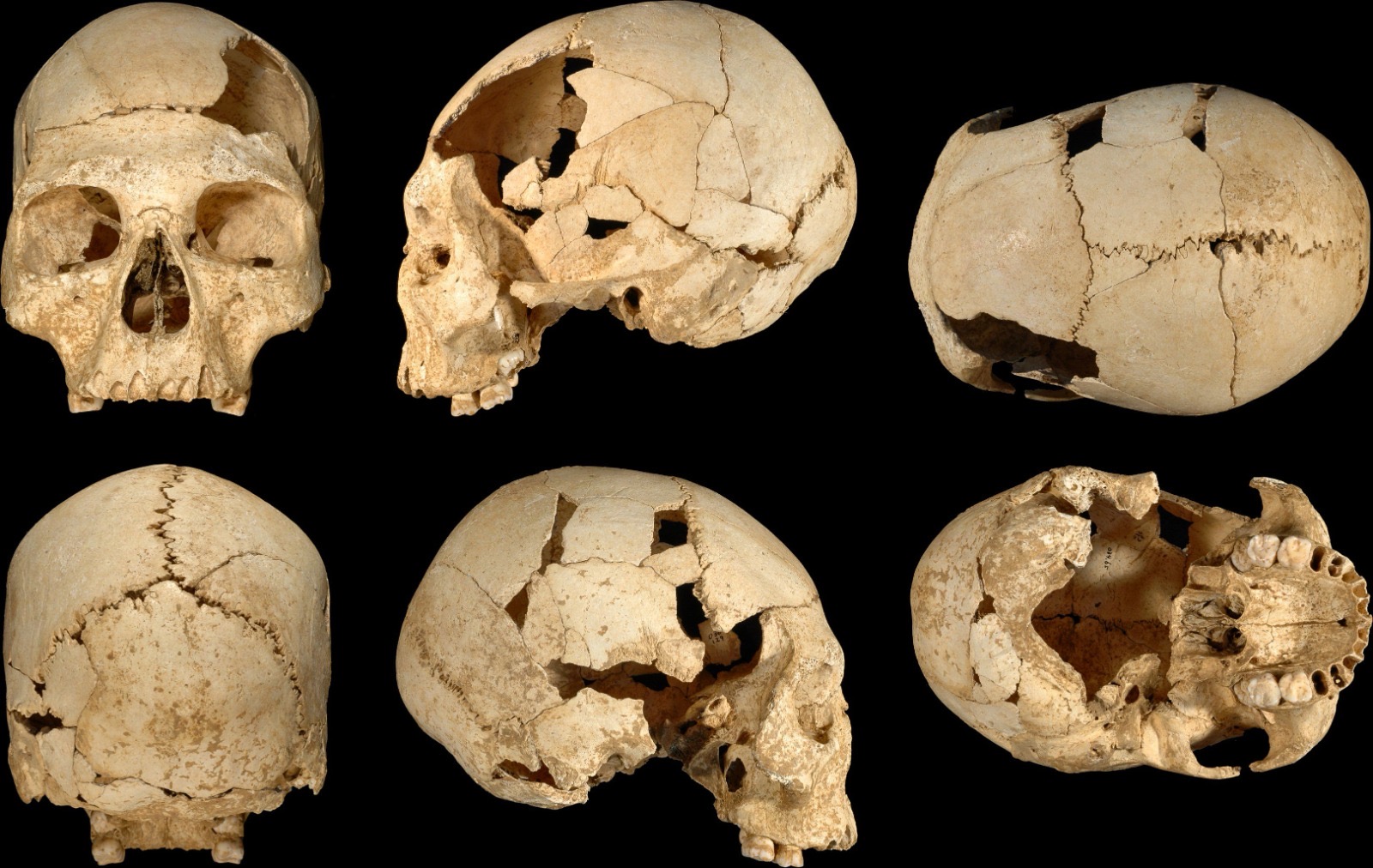
Nicolas Teyssandier | Unravelling the Middle-to-Upper Paleolithic Transition in Europe
The transition from the Middle to Upper Paleolithic in Europe marks a pivotal period in human evolution, with the replacement of Neanderthals by anatomically modern humans. A new study by Nicolas Teyssandier, Director of Research at the French National Center for Scientific Research (CNRS) and vice director of the TRACES laboratory at the Toulouse Jean Jaurès University examines the archaeological evidence for this transition and attempts to reconcile it with recent discoveries, shedding new light on this complex period of cultural and biological change.