
ADBCAP A Human Approach To Improving Biosecurity
Original Article Reference
https://doi.org/10.33548/SCIENTIA453
Share Episode

About this episode
This work is licensed under a Creative Commons Attribution 4.0 International License.  What does this mean? Share: You can copy and redistribute the material in any medium or format Adapt: You can change, and build upon the material for any purpose, even commercially. Credit: You must give appropriate credit, provide a link to the license, and indicate if changes were made.
Related episodes
Prof. Jean-Sébastien Delisle – Dr Mélanie Dieudé | The Medicine Is Ready. Is the Health System?
A medical breakthrough is only truly a breakthrough if it can reach the person who needs it. That simple idea sits at the heart of a rapidly growing challenge in cell therapy, gene therapy and regenerative medicine. These treatments are beginning to change what doctors can offer people with serious cancers, rare genetic conditions and other diseases once considered extraordinarily difficult to treat. Some therapies can reprogram a patient’s own cells to attack cancer. Others aim to repair or replace faulty biological instructions. Their promise can sound futuristic, yet the central problem is increasingly practical: how do we turn remarkable science into care that is affordable, timely and available to everyone who could benefit?

Prof. Yuben Moodley | Signals in the Scars: The Search for New Ways to Predict and Treat Lung Fibrosis
Breathing is so automatic that most of us notice it only when something goes wrong. Yet every breath depends on an extraordinarily delicate structure. Inside the lungs, tiny air sacs provide a vast, thin surface across which oxygen enters the blood. When that tissue is repeatedly injured, the body’s attempt to repair it can become part of the problem. Instead of restoring flexible lung tissue, repair processes may leave behind excessive scar tissue. As this fibrosis accumulates, the lungs become stiffer and less able to perform their essential task.

Prof. John Kopchick | Turning Off Cancer’s Growth Signal: The Unexpected New Life of a Growth Hormone Related Drug
When most of us hear “growth hormone,” we think of childhood, with bones lengthening, bodies developing, and the remarkable biological machinery that turns a small child into an adult. Growth hormone, or GH, deserves that reputation. Produced mainly by the pituitary gland, it helps regulate growth, metabolism, organ development and the production of another important messenger, insulin-like growth factor 1. Yet decades of research have revealed a more complicated story. The same signals that encourage healthy cells to grow and adapt can, in the wrong setting, help cancer cells survive.Because of these unanswered questions, researchers around the world continue searching for new ways to understand gravity. One intriguing contribution comes from Prof. Roberto Sussman and Dr. Sebastián Nájera of the National Autonomous University of Mexico, who have proposed a new gravity theory they denote as “Schouten–Codazzi Gravity”. Their work explores whether gravity might be described by a modified set of mathematical rules that remain closely connected to Einstein’s theory while opening the door to new possibilities.

Prof. Magdalena Osińska – Dr. Muhammad Alamgir | Green Bonds and a Greener Future: How Smart Finance Can Power the Energy Transition
Imagine if buying a financial investment could help build a wind farm, expand a solar park, or modernise an electricity grid. That is the promise of green bonds, a rapidly growing form of investment designed to fund projects with environmental benefits. As the world searches for practical ways to tackle climate change while meeting rising energy demand, these financial tools are attracting increasing attention from governments, businesses, and investors alike. Yet an important question remains. Do green bonds genuinely make a measurable difference, or are they simply another well-intentioned financial product with limited real-world impact?
Increase the impact of your research
• Good science communication encourages everyday people to be scientifically literate so that they can analyse the integrity and legitimacy of information.
• Good science communication encourages people into STEM-related fields of study and employment.
• Good public science communication fosters a community around research that includes both members of the public, policymakers and scientists.
• In a recent survey, 75% of people suggested they would prefer to listen to an interesting story than read it.
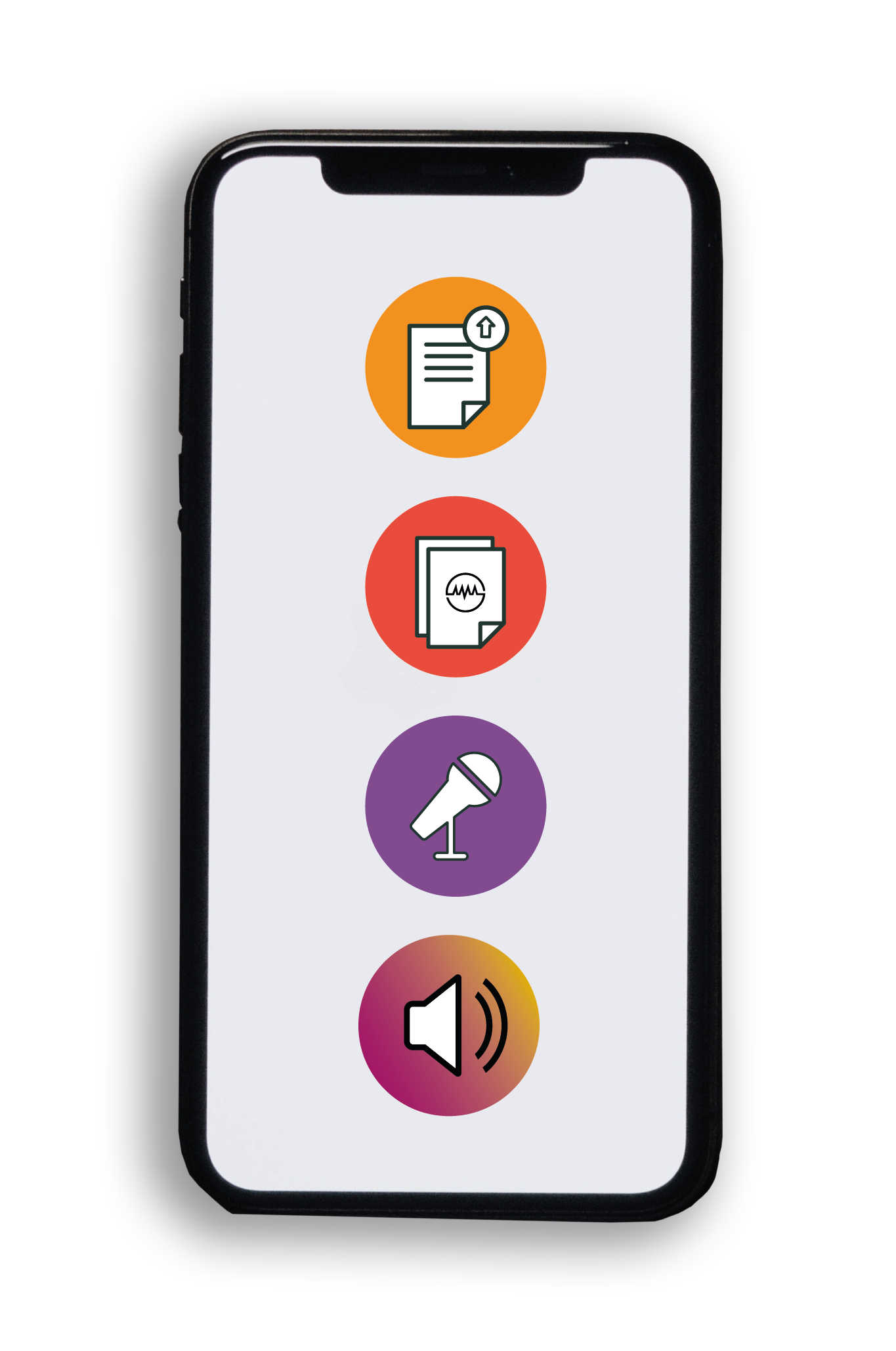
Step 1 Upload your science paper
Step 2 SciPod script written
Step 3 Voice audio recorded
Step 4 SciPod published