
Telemedicine in South East Asia: Current Guidelines and Future Directions
Original Article Reference
This SciPod is a summary of the paper ‘Telemedicine Guidelines in South East Asia—A Scoping Review’, published in the open access journal Frontiers in Neurology. https://doi.org/10.3389/fneur.2020.581649.
About this episode
Telemedicine is increasing in utility and demand, not least due to the pressure of the COVID-19 pandemic on the provision of healthcare. With this in mind, Dr Intan Sabrina (at Hospital Tuanku Ampuan Najihah, Hospital Jempol and Tung Shin Hospital, all in Malaysia) and Dr Irma Ruslina Defi (at Hasan Sadikin General Hospital in Indonesia) have collaborated to publish an important review on current telemedicine guidelines in South East Asia, from which they make considered recommendations for its further development.
This work is licensed under a Creative Commons Attribution 4.0 International License. 
What does this mean?
Share: You can copy and redistribute the material in any medium or format
Adapt: You can change, and build upon the material for any purpose, even commercially.
Credit: You must give appropriate credit, provide a link to the license, and indicate if changes were made.
More episodes

Prof. Dr. Daniel Gredig | Schutz ist ein Gespräch: Wie sehr auch die moderne HIV-Prävention eine Kommunikation unter den Partnern verlangt
Die HIV-Prävention hat sich in den vergangenen vier Jahrzehnten markant verändert. Was einst von Angst und begrenzten Möglichkeiten geprägt war, ist zu einem Bereich geworden, den wissenschaftliche Durchbrüche, ein besseres Verständnis und eine wachsende Wertschätzung persönlicher Entscheidungen prägen. Doch während die Forschung die Möglichkeiten, sich effektiv vor einer HIV-Infektion zu schützen, grundlegend verändert hat, bleibt ein Element so wichtig wie eh und je. Prävention hängt von Kommunikation ab. An jeder intimen Begegnung sind zwei Menschen beteiligt, die jeweils ihre eigenen Überzeugungen, Einstellungen, Erfahrungen, Erwartungen und Vorlieben mitbringen. Zu einem gemeinsamen Verständnis zu gelangen, ob und wie sie sich vor einer Infektion mit HIV schützen sollen, ist selten so einfach, wie es scheint.
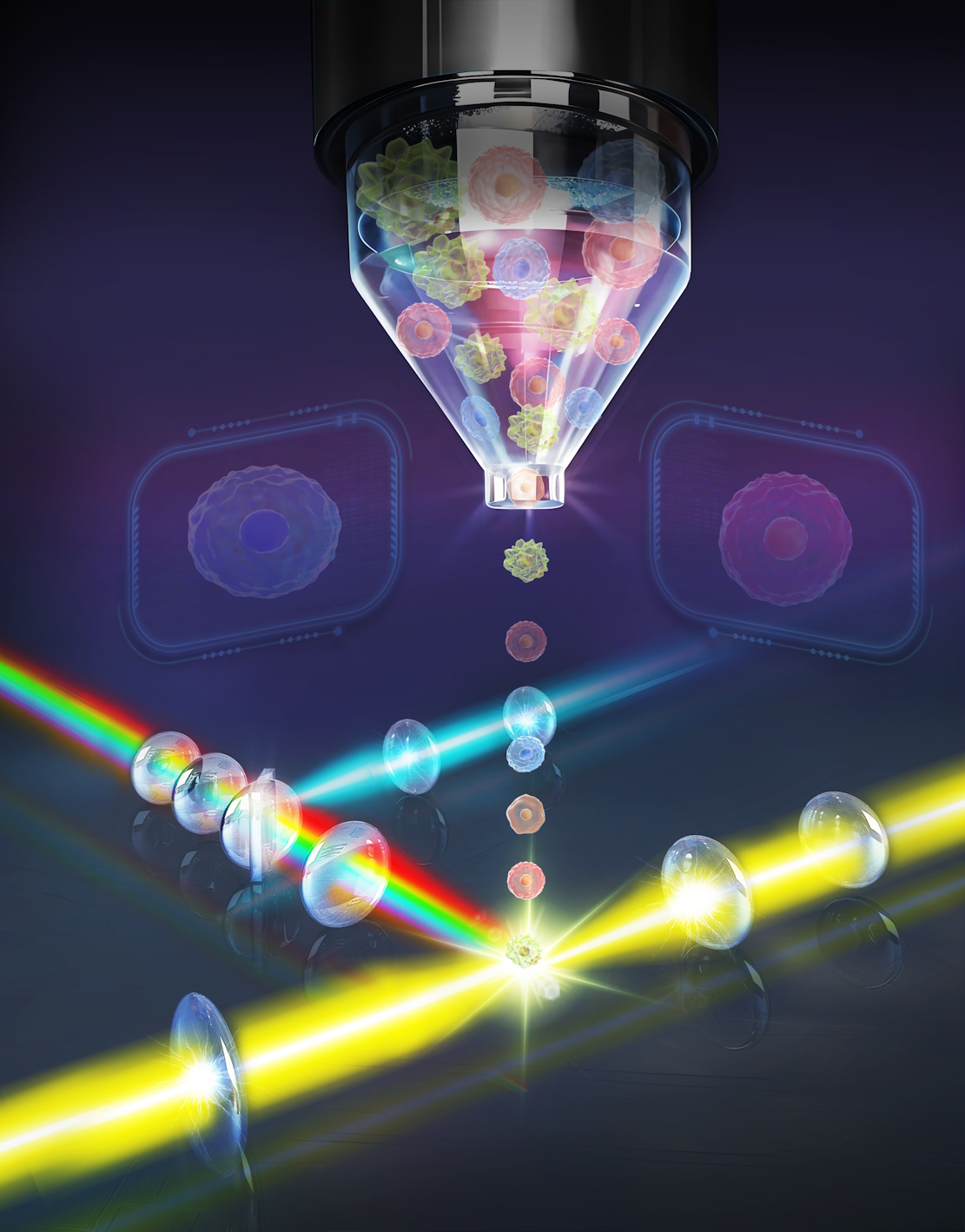
Dr. Xinyu Chen | The Cell Detectives: How Lasers and Artificial Intelligence Are Transforming Biology
Imagine searching for one unusual face in a stadium packed with thousands of people. Now imagine that every person is moving, the faces are nearly invisible, and you have only a fraction of a second to decide whom to stop. This is remarkably close to the challenge scientists face when they try to identify a particular cell among millions. Yet finding the right cells can help researchers understand disease, investigate immune responses, and discover biological differences that would otherwise remain hidden.
Prof. Elizabeth Regan | The Healthcare Revolution That Technology Alone Cannot Deliver
Imagine a patient with several health problems moving through a modern medical system. She may see a family doctor, a specialist, a hospital team, a pharmacist and perhaps a community service. Each professional may be highly skilled. Each organisation may own sophisticated software. Yet the patient can still find herself repeating the same story, carrying information between appointments, waiting for records to arrive and trying to understand who is responsible for what. The individual parts work well, but the journey doesn’t.
Dr Sarah Davies – Dr Clare French | The Vaccine Uptake Recipe: Which Ingredients Work for Different Groups?
Vaccines can prevent serious illness, disability and death, but their benefits depend on people actually receiving them. When vaccination rates fall, the usual question is how to support more people to get vaccinated. Yet that question may be too simple. A reminder, a conversation, a financial incentive or a more convenient clinic can all help, but they do not necessarily help everyone in the same way. That is the central insight emerging from a major analysis led by Dr Sarah Davies and Dr Clare French, both of the University of Bristol, and colleagues. To go beyond asking whether broad categories such as “education” or “improved access” work, the researchers took apart vaccine uptake interventions to examine their individual ingredients. It is a little like studying recipes: knowing that a cake tastes good is useful, but knowing which ingredients make the difference is far more helpful if you want to create a better cake.
Increase the impact of your research
• Good science communication helps people make informed decisions and motivates them to take appropriate and affirmative action.
• Good science communication encourages everyday people to be scientifically literate so that they can analyse the integrity and legitimacy of information.
• Good science communication encourages people into STEM-related fields of study and employment.
• Good public science communication fosters a community around research that includes both members of the public, policymakers and scientists.
• In a recent survey, 75% of people suggested they would prefer to listen to an interesting story than read it.
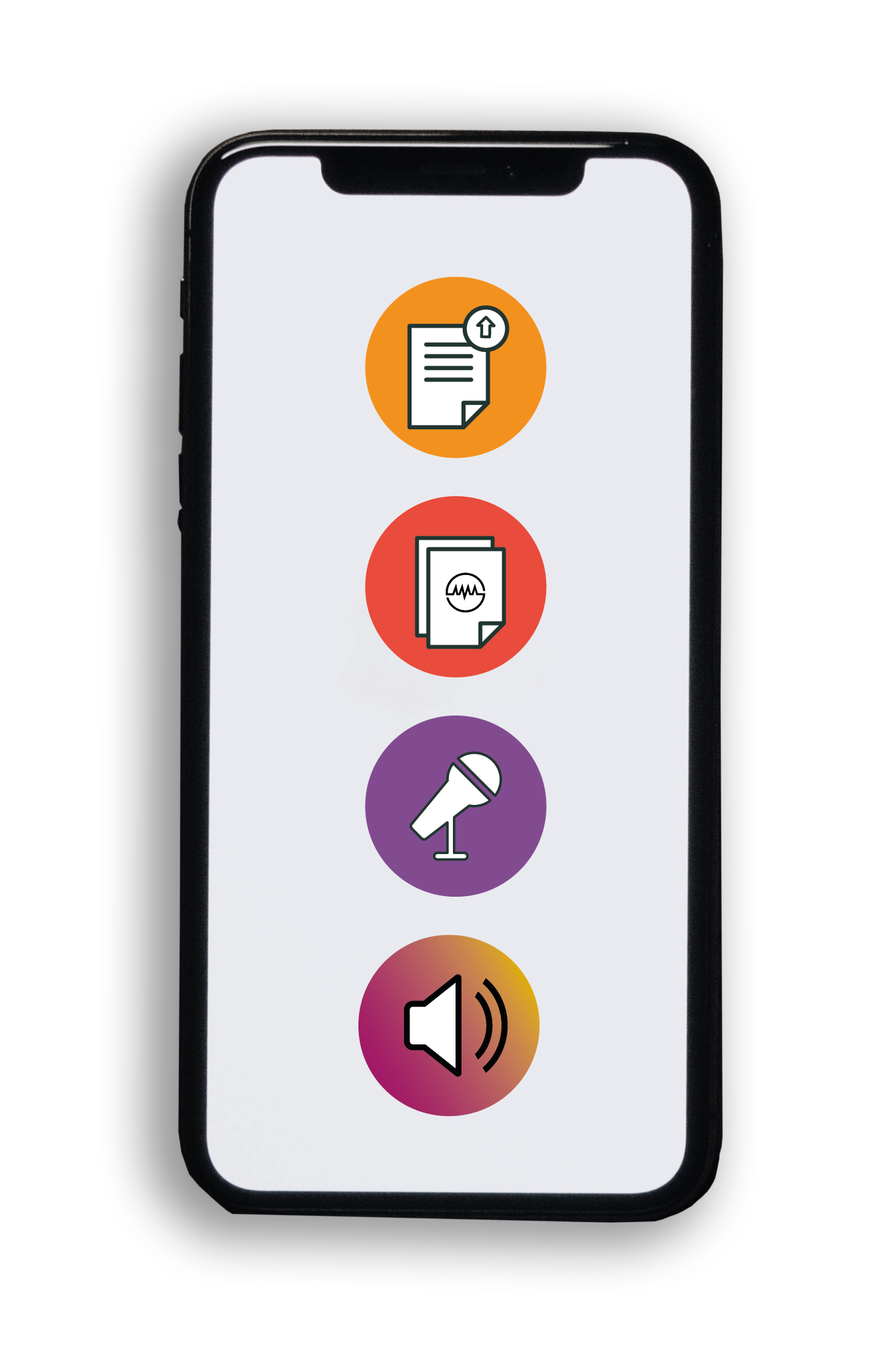
Step 1 Upload your science paper
Step 2 SciPod script written
Step 3 Voice audio recorded
Step 4 SciPod published