
Sugar Monoesters as Absorption Enhancers for Orally-Delivered Large Pharmaceuticals – Professor David J. Brayden, University College Dublin
Original Article Reference
This SciPod is a summary of the paper ‘Permeability-enhancing effects of three laurate-disaccharide monoesters across isolated rat intestinal mucosae’, published with Open Access for readers in the International Journal of Pharmaceutics. https://doi.org/10.1016/j.ijpharm.2021.120593
Share Episode

About this episode
The lining of the gut acts naturally as a protective barrier to harmful or oversized materials. Many orally-administered drugs consisting of macromolecules or peptides are difficult to deliver because of their poor permeability across the intestine resulting in failure to reach the bloodstream. Patient preference would be to take these types of medicines orally rather than the currently available delivery route of injections. Professor David J. Brayden, at University College Dublin, is dedicated to enhancing the oral delivery of peptides and other macromolecules. His team and collaborators are conducting cutting edge research on the effects of specific sugar-based monoesters as intestinal permeation enhancers.
This work is licensed under a Creative Commons Attribution 4.0 International License. 
What does this mean?
Share: You can copy and redistribute the material in any medium or format
Adapt: You can change, and build upon the material for any purpose, even commercially.
Credit: You must give appropriate credit, provide a link to the license, and indicate if changes were made.
More episodes
Dr. Rodica Gilca | When Winter Viruses Lost the Calendar
For decades, respiratory viruses seemed to follow a familiar seasonal script. As autumn cooled into winter, influenza returned, respiratory syncytial virus, better known as RSV, filled pediatric wards, and a collection of other viruses circulated alongside them. Hospitals could never predict the season perfectly, but experience provided a rough map of what was coming. Then COVID-19 arrived, and the map stopped matching the territory.

Dr. Kendra Pugh | Mapping the Hidden Geography of Gambling Risk
A lottery ticket is small enough to slip into a pocket, but the forces that shape gambling behavior can stretch across families, neighborhoods, shopping districts, and entire communities. A Massachusetts study led by Dr. Kendra Pugh asks an important but deceptively simple question: when gambling becomes risky or problematic, how much depends on the person, and how much depends on the place?
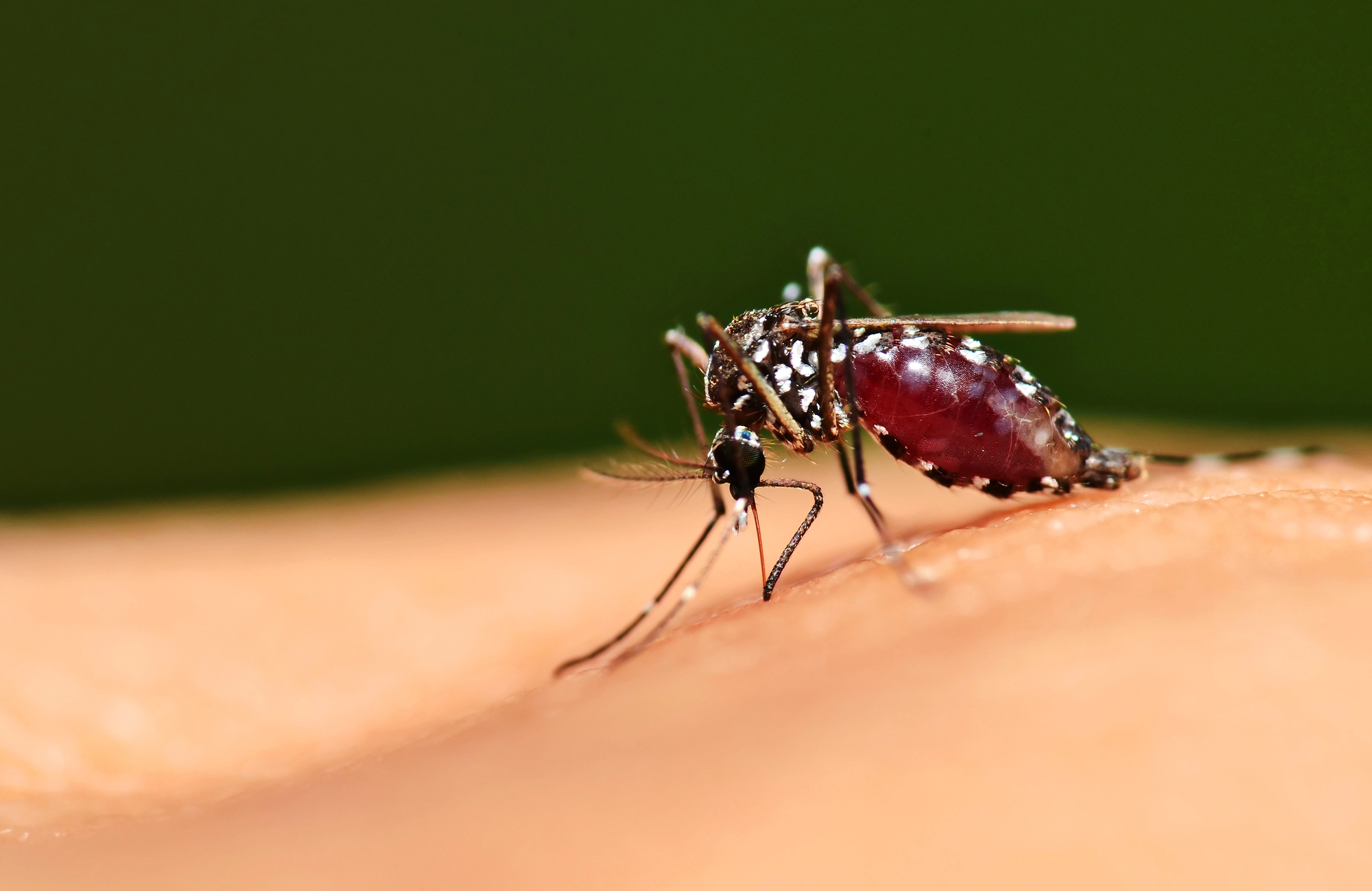
Dr. Shimaa Ghazal | Reading the Mosquito: What Two New Genomes Can Tell Us About Malaria
A mosquito’s whine is easy to dismiss as a minor irritation. Yet some mosquitoes carry one of humanity’s oldest and deadliest diseases. Malaria is caused by microscopic Plasmodium parasites, but those parasites depend on Anopheles mosquitoes to move from one human host to another. Understanding the mosquito, therefore, is an important part of understanding the disease. Every new genetic reference gives researchers another way to investigate what makes these insects effective vectors, how populations differ, and how their biology may shape transmission. Two recent genome announcements involving Dr. Shimaa Ghazal and student researchers at Phillips Exeter Academy add new genetic resources for studying two particularly important malaria vectors: Anopheles gambiae and Anopheles stephensi.

Dr. Fay Betsou | The Hidden Life of a Biospecimen: Why Better Medical Research Begins Before the Laboratory Assay
To most of us, a vial of blood looks like a simple container of biological truth, a snapshot of what was happening inside a person at the moment the needle entered their arm. Scientists can measure its proteins, read genetic material, hunt for signs of disease, and feed the resulting data into increasingly powerful analytical systems. Yet that vial has a history. How long did it sit before processing? At what temperature? What kind of tube held it? Was it spun, transported, frozen, thawed, or stored? Each step may quietly change what researchers later believe they are seeing.
Increase the impact of your research
• Good science communication helps people make informed decisions and motivates them to take appropriate and affirmative action.
• Good science communication encourages everyday people to be scientifically literate so that they can analyse the integrity and legitimacy of information.
• Good science communication encourages people into STEM-related fields of study and employment.
• Good public science communication fosters a community around research that includes both members of the public, policymakers and scientists.
• In a recent survey, 75% of people suggested they would prefer to listen to an interesting story than read it.
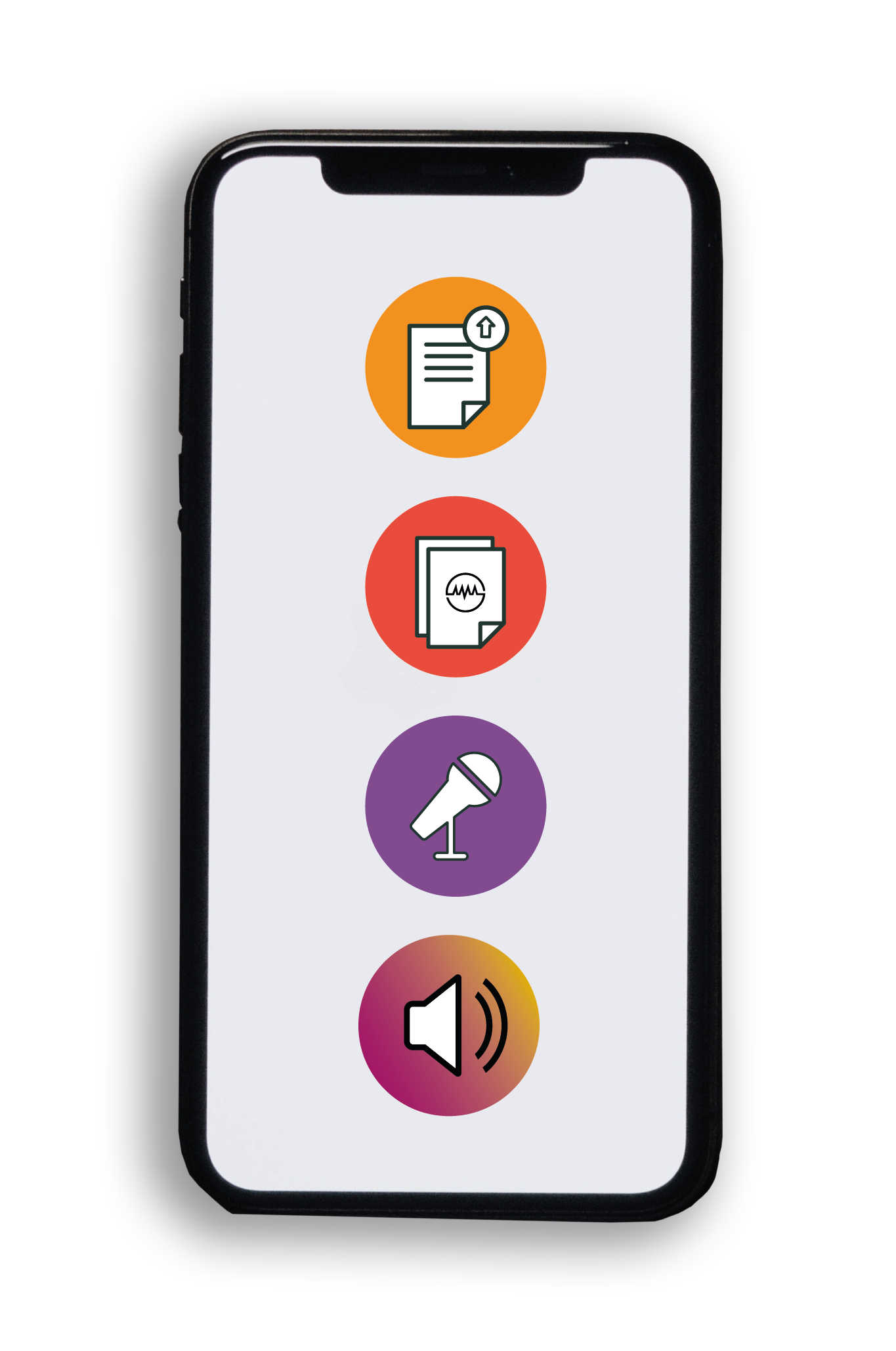
Step 1 Upload your science paper
Step 2 SciPod script written
Step 3 Voice audio recorded
Step 4 SciPod published