AudioPod

About this episode

The multi-theory model – or ‘MTM’ – of health behavior change provides a theoretical framework for understanding and promoting health behaviors. Professor Manoj Sharma from the University of Nevada, Las Vegas, has now applied this model to understand the factors that lead people to take up meditation – or ‘dhyana’ – and to maintain this health-related behavior over time. His findings confirm the utility of the MTM in informing behavior change interventions and open up important avenues for future research.

Original Article Reference

This SciPod is a summary of the papers ‘Can the multi-theory model (MTM) of health behavior change explain the intent for people to practice meditation?’ in the Journal of Evidence-Based Integrative Medicine, doi.org/10.1177/2515690X211064582, and ‘Introspective meditation before seeking pleasurable activities as a stress reduction tool among college students: A multi-theory model-based pilot study’, published in Healthcare, doi.org/10.33390/healthcare10040614.

This work is licensed under a Creative Commons Attribution 4.0 International LicenseCreative Commons License

What does this mean?

Share: You can copy and redistribute the material in any medium or format

Adapt: You can change, and build upon the material for any purpose, even commercially.

Credit: You must give appropriate credit, provide a link to the license, and indicate if changes were made.


Increase the impact of your research!

More episodes

Roos van de Logt | Hidden Engineers: How Earthworms Could Help Us Weather a Changing Climate

If you were to observe a quiet Dutch pasture, you might not guess that one of the most important climate-resilience...

Dr Suzanne Coyle | Weaving Spirituality into Psychotherapy: How Stories Help Healing

As the practice of psychotherapy increasingly embraces the spiritual dimensions of the human experience, therapists...

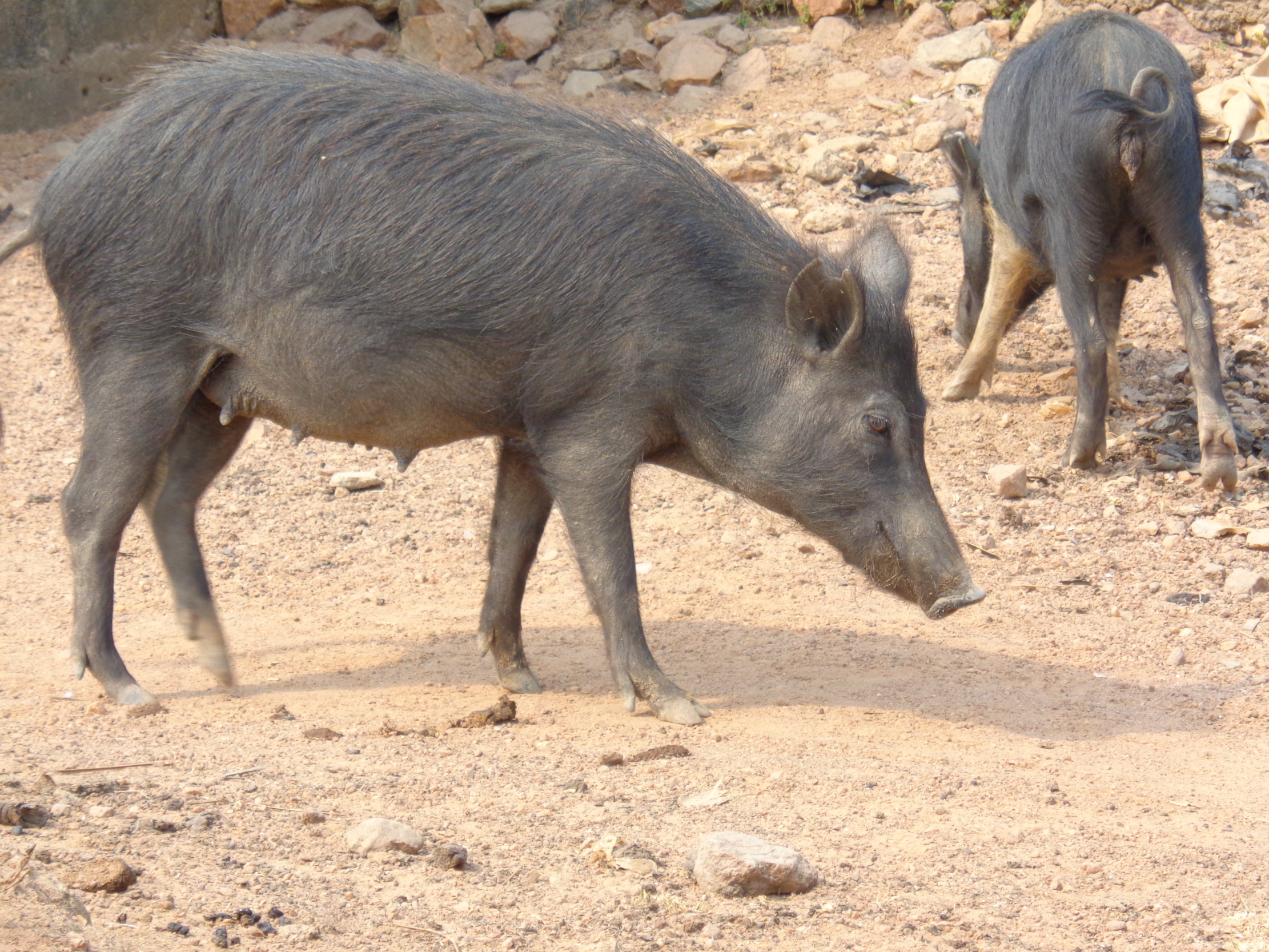
Associate Professor Adeniyi Charles Adeola | History Written in Base-Pairs: The Hidden Stories in African Pig Genomes

Africa is often described as a continent of extremes. Vast deserts give way to lush rainforests; humid coastlines sit...

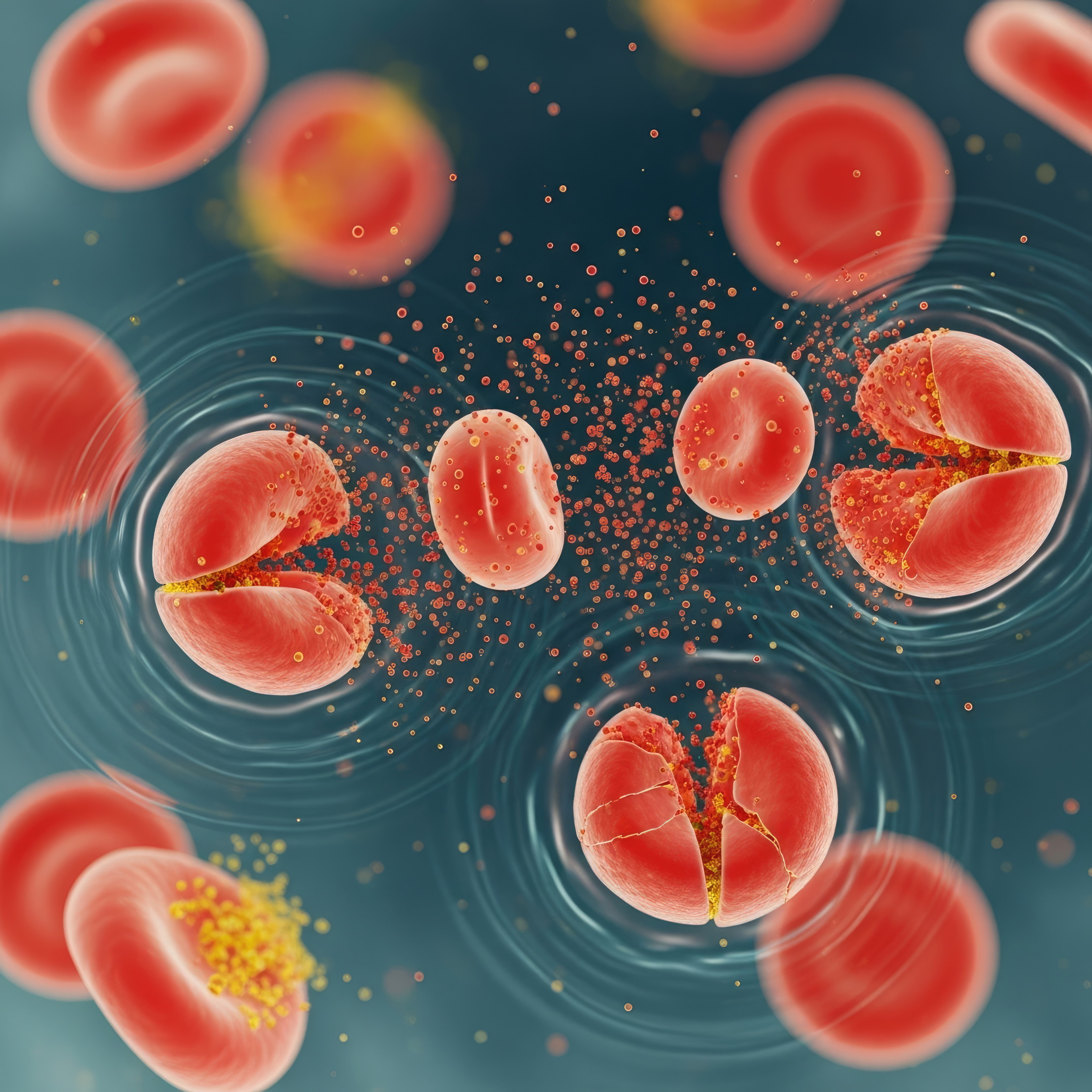
Dr. Jürgen Gailer | Linking the Blood Chemistry of Metals with Adverse Human Health: New Tools Reveal an Invisible World

Researchers Maryam Doroudian and Jürgen Gailer from the University of Calgary explore what happens when red blood...

Prof. Satoshi Abe | The Unexpected Symbols Driving Iran’s Environmental Movement

If you walk through the bustling streets of Tehran, you might first notice the traffic, the densely packed apartments,...

Dr. Reginald O’Hara | Regulating Resilience: Caffeine, Neuromodulation, and the Biology of Performance

In an era defined by constant pressure, chronic stress, and escalating performance demands, the question of how humans...