
Hookah Smoking Understanding User Perceptions And Health Risks -Professor Mary Rezk – Hanna, University Of California
Original Article Reference
This SciPod is a summary of the paper:
https://doi.org/10.33548/SCIENTIA647
Share Episode

About this episode
Hookah smoking is the least regulated tobacco form. It is rapidly gaining in popularity to the extent that we are now facing a contemporary epidemic of tobacco abuse. Of particular concern is the level of usage among youth and young adults. Professor Mary Rezk-Hanna from the University of California, Los Angeles works with a group of scientists who aim to drive policy regulation of tobacco and alternative tobacco products, including hookah smoking, by investigating their health effects on the cardiovascular system.
This work is licensed under a Creative Commons Attribution 4.0 International License. 
What does this mean?
Share: You can copy and redistribute the material in any medium or format
Adapt: You can change, and build upon the material for any purpose, even commercially.
Credit: You must give appropriate credit, provide a link to the license, and indicate if changes were made.
More episodes

Dr. Kendra Pugh | Mapping the Hidden Geography of Gambling Risk
A lottery ticket is small enough to slip into a pocket, but the forces that shape gambling behavior can stretch across families, neighborhoods, shopping districts, and entire communities. A Massachusetts study led by Dr. Kendra Pugh asks an important but deceptively simple question: when gambling becomes risky or problematic, how much depends on the person, and how much depends on the place?
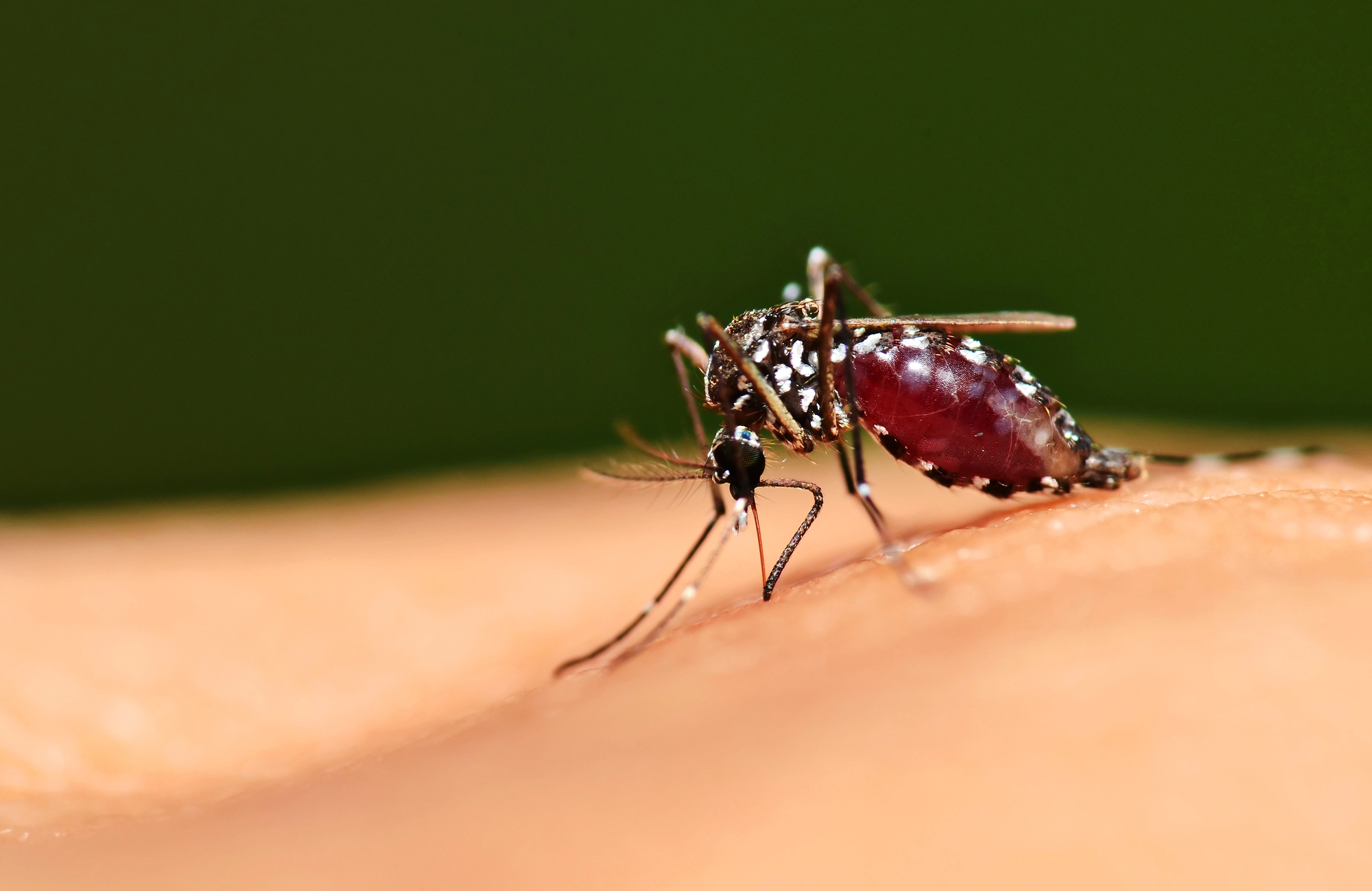
Dr. Shimaa Ghazal | Reading the Mosquito: What Two New Genomes Can Tell Us About Malaria
A mosquito’s whine is easy to dismiss as a minor irritation. Yet some mosquitoes carry one of humanity’s oldest and deadliest diseases. Malaria is caused by microscopic Plasmodium parasites, but those parasites depend on Anopheles mosquitoes to move from one human host to another. Understanding the mosquito, therefore, is an important part of understanding the disease. Every new genetic reference gives researchers another way to investigate what makes these insects effective vectors, how populations differ, and how their biology may shape transmission. Two recent genome announcements involving Dr. Shimaa Ghazal and student researchers at Phillips Exeter Academy add new genetic resources for studying two particularly important malaria vectors: Anopheles gambiae and Anopheles stephensi.

Dr. Fay Betsou | The Hidden Life of a Biospecimen: Why Better Medical Research Begins Before the Laboratory Assay
To most of us, a vial of blood looks like a simple container of biological truth, a snapshot of what was happening inside a person at the moment the needle entered their arm. Scientists can measure its proteins, read genetic material, hunt for signs of disease, and feed the resulting data into increasingly powerful analytical systems. Yet that vial has a history. How long did it sit before processing? At what temperature? What kind of tube held it? Was it spun, transported, frozen, thawed, or stored? Each step may quietly change what researchers later believe they are seeing.
Prof. Shan Lu | Inducing Polyfunctional Antibodies: A Promising Chapter in the Long Search for an HIV Vaccine
For more than four decades, HIV has challenged some of the brightest scientific minds in the world. Tremendous progress has transformed HIV from what was once almost always a fatal infection into a condition that can often be managed with modern medicines. Preventive treatments have also become increasingly effective. Yet millions of people continue to become infected every year, particularly in regions where access to healthcare remains limited. A safe, effective preventive HIV vaccine remains one of the greatest goals in global medicine because it has the potential to provide large-scale, long-lasting prevention for large numbers of high-risk populations.
Increase the impact of your research
• Good science communication helps people make informed decisions and motivates them to take appropriate and affirmative action.
• Good science communication encourages everyday people to be scientifically literate so that they can analyse the integrity and legitimacy of information.
• Good science communication encourages people into STEM-related fields of study and employment.
• Good public science communication fosters a community around research that includes both members of the public, policymakers and scientists.
• In a recent survey, 75% of people suggested they would prefer to listen to an interesting story than read it.
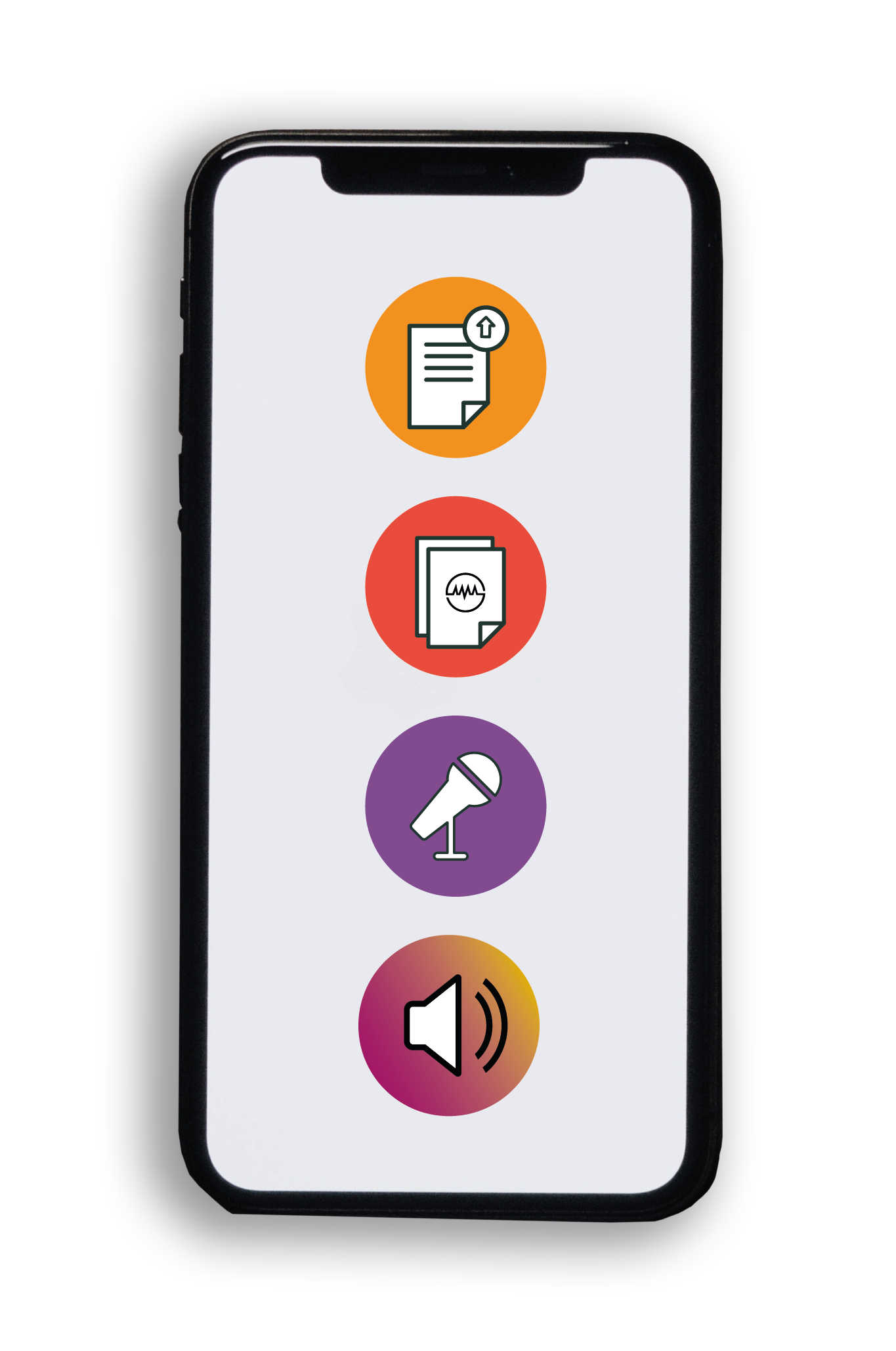
Step 1 Upload your science paper
Step 2 SciPod script written
Step 3 Voice audio recorded
Step 4 SciPod published