
by Iliyah Maddox | Apr 23, 2026 | earth and environment, health and medicine, social and behavioural sciences
On a sweltering summer day, most of us notice the obvious effects of heat. We feel slower, more irritable, and eager to escape the sun. What is less obvious is how these same conditions quietly reshape our behavior behind the wheel. A recent study led by Prof. José Ignacio Nazif-Muñoz of the University of Sherbrooke in collaboration with Prof. Jose Guillermo Cedeño Laurent of Rutgers University explores this hidden connection, revealing how heatwaves and urban heat patterns influence road safety across five cities in Québec. The findings offer a timely reminder that climate change is not only an environmental issue but also a public safety concern that touches everyday life in unexpected ways.
by Iliyah Maddox | Apr 2, 2026 | health and medicine
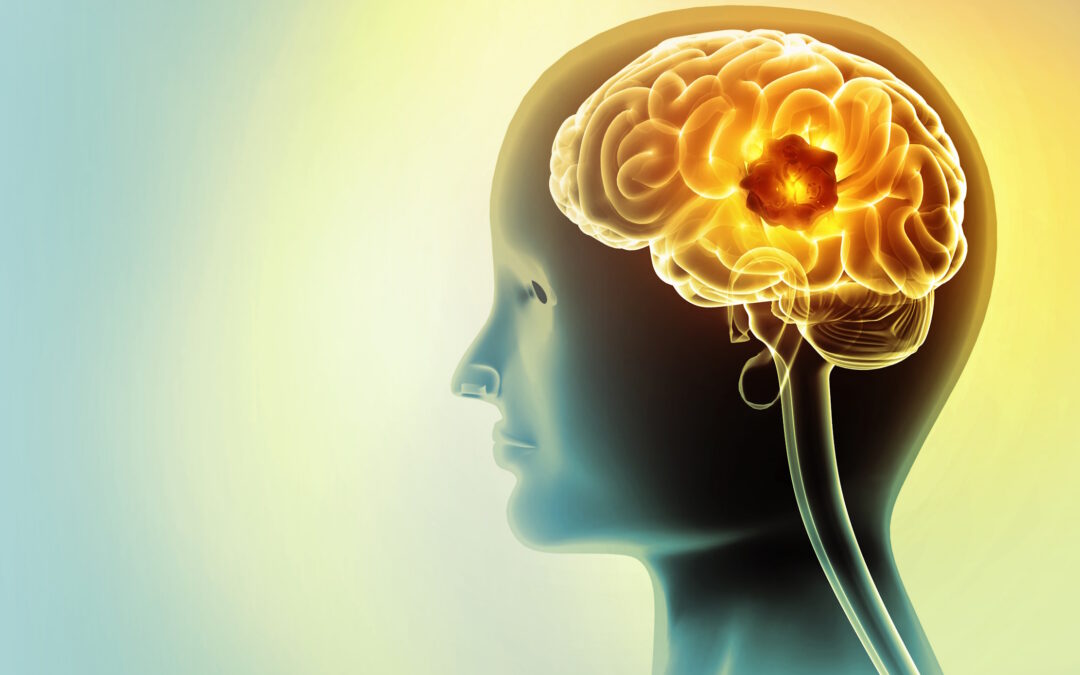
In the landscape of childhood cancer, there are diseases so rare that even many physicians will never encounter a single case. Yet within these rare diagnoses lie some of the deepest biological insights and some of the most urgent clinical challenges. Choroid plexus carcinoma, often abbreviated as CPC, is one such disease. It is a malignant brain tumor that arises predominantly in very young children, most often under the age of four. Though rare, it is biologically revealing, clinically formidable, and, in recent years, the focus of a determined effort to change its outcome.
by Iliyah Maddox | Apr 2, 2026 | health and medicine
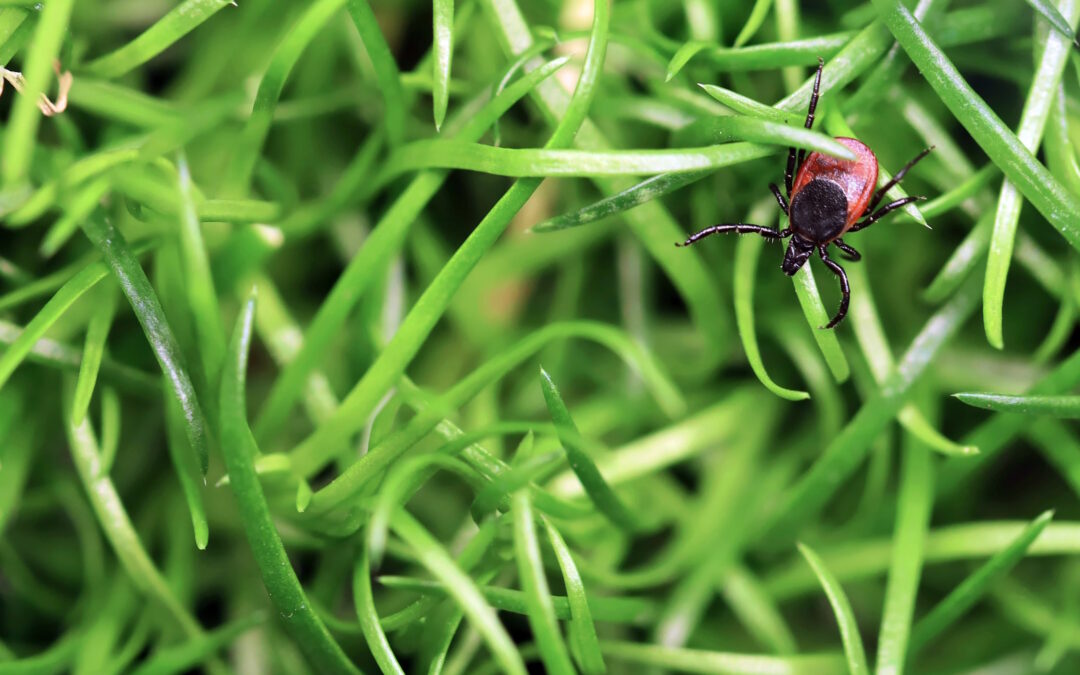
On a warm spring afternoon in the northeastern United States, a walk through tall grass can feel harmless, even restorative. Yet hidden in the undergrowth is a growing public health concern that few people recognize by name. The Powassan virus is rare, but it is dangerous, and its quiet rise is reshaping how scientists think about tick borne disease, climate change, and neurological illness. In a recent review published in the journal Virulence, researchers Manpreet Kaur, Monica Adam, and Prof. Megan Mladinich Valenti bring together decades of scattered research to tell the evolving story of this virus and the risks it poses.
by Iliyah Maddox | Apr 1, 2026 | health and medicine
In the years since the wars in Iraq and Afghanistan, many military veterans have carried home an invisible burden. Blast-related mild traumatic brain injury, often called blast-mTBI, has been described as the signature injury of those conflicts. It is labeled mild, yet for many who experience it, the consequences are anything but. Veterans report persistent headaches, sleep disturbances, memory lapses, mood changes, irritability, and difficulties with concentration and decision making. These symptoms can linger for years, affecting relationships, work, and overall quality of life.
by Iliyah Maddox | Mar 30, 2026 | health and medicine
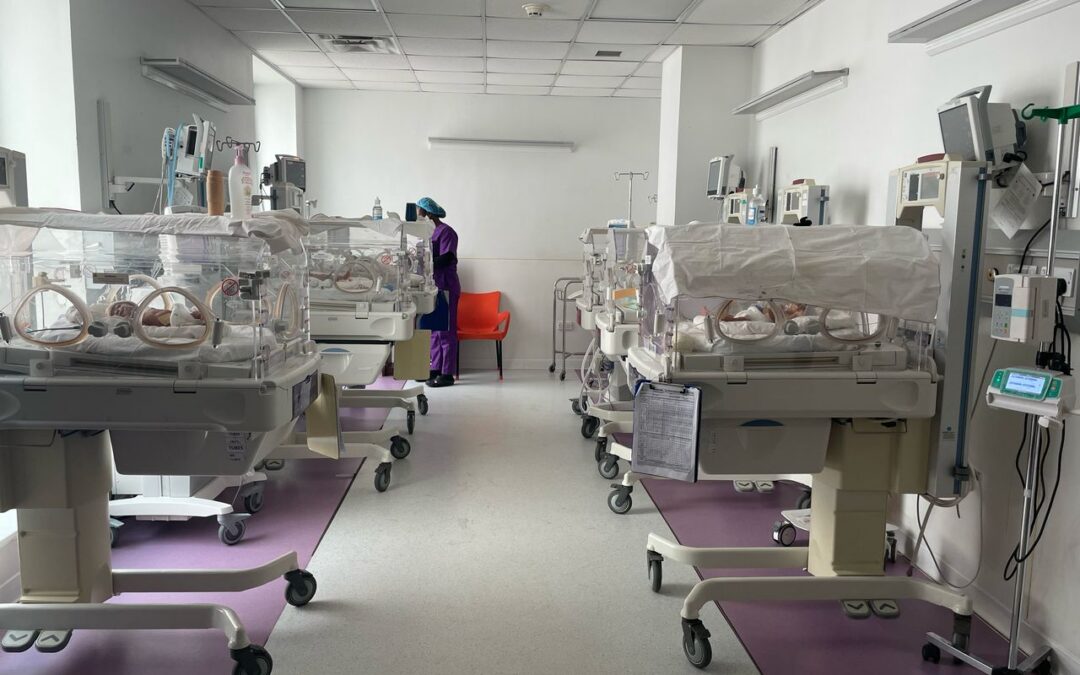
In many hospitals around the world, the neonatal unit is seen as the safest place for a newborn baby who needs anything more than basic care provided in the postpartum unit. Yet this well-intentioned reflex to protect a baby “just-in-case” can carry hidden costs. A new study led by Dr Indira Narayanan, neonatologist and researcher at Georgetown University Medical Center, suggests that a small but impactful number of babies admitted to neonatal units may not actually need intensive care at all. Instead, these admissions can increase pressure on already stretched units, especially in low-and middle-income countries, separate mothers from their babies, and unintentionally undermine breastfeeding efforts.
by Iliyah Maddox | Mar 19, 2026 | earth and environment, health and medicine
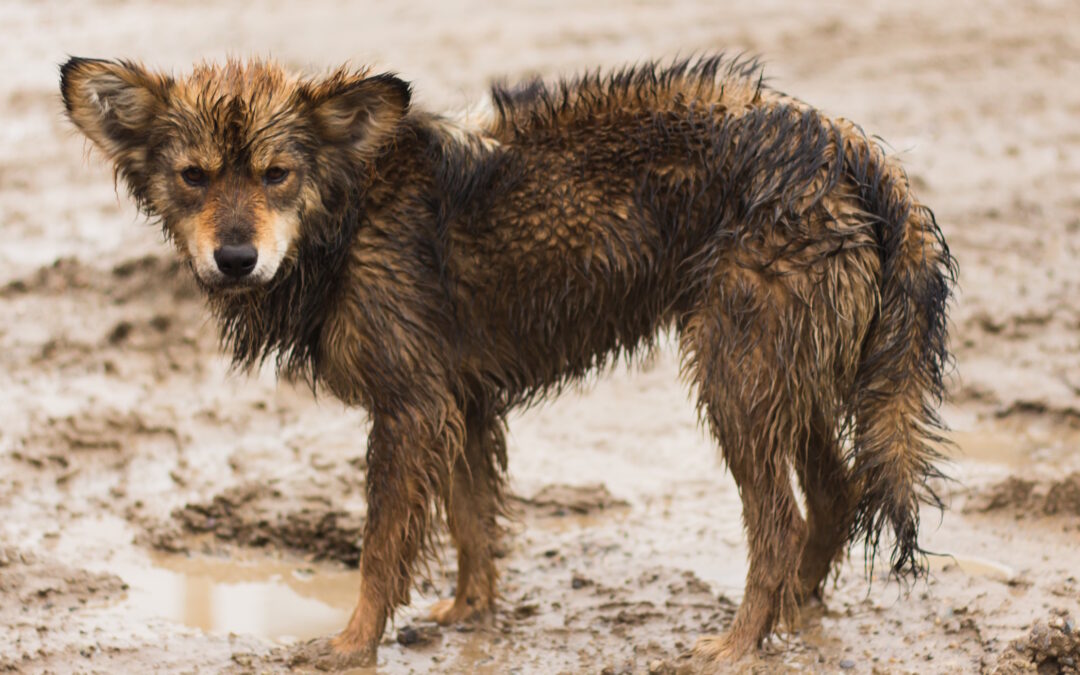
When disaster strikes, the images that dominate news coverage are almost always human centered. We see flooded neighborhoods, collapsed buildings, families waiting in shelters, and exhausted first responders. Yet woven into nearly every one of those scenes is another presence, often trembling at the end of a leash or peering out from a carrier. Companion animals are not an afterthought in modern life. They are family members, sources of emotional stability, and in some cases essential partners such as service dogs. As natural and human-made disasters grow in frequency and severity, the question of how to protect people inevitably includes the question of how to protect their animals.