
Efficacy of Wholefoods for Health and Cancer Prevention – Dr Elizabeth Ryan, Colorado State University
Original Article Reference
https://doi.org/10.33548/SCIENTIA341
Share Episode

About this episode
This work is licensed under a Creative Commons Attribution 4.0 International License. 
What does this mean?
Share: You can copy and redistribute the material in any medium
or format
Adapt: You can change, and build upon the material for any
purpose, even commercially.
Credit: You must give appropriate credit, provide a link to the
license, and indicate if changes were made.
Related episodes

Dr. Heather Robinson | When the Internet Becomes a Place to Be Heard
At three in the morning, when friends and family are asleep, a person struggling with their mental health may still be able to find someone who understands. They can open an online forum, read the words of a stranger who has lived through something similar, and perhaps write a message of their own. While this might seem like a simple act, the exchange can be surprisingly important. Research from the Improving Peer Online Forums project shows that these spaces can do far more than provide information. They can help people make sense of difficult experiences, feel less alone, find ways of coping and recognize their value to others. But the same research also makes clear that a supportive online community requires more than a website that allows people to post messages. Its benefits depend on thoughtful design, skilled moderation and sustained care for the people who keep the community running.

Prof. Dr. Daniel Gredig | Schutz ist ein Gespräch: Wie sehr auch die moderne HIV-Prävention eine Kommunikation unter den Partnern verlangt
Die HIV-Prävention hat sich in den vergangenen vier Jahrzehnten markant verändert. Was einst von Angst und begrenzten Möglichkeiten geprägt war, ist zu einem Bereich geworden, den wissenschaftliche Durchbrüche, ein besseres Verständnis und eine wachsende Wertschätzung persönlicher Entscheidungen prägen. Doch während die Forschung die Möglichkeiten, sich effektiv vor einer HIV-Infektion zu schützen, grundlegend verändert hat, bleibt ein Element so wichtig wie eh und je. Prävention hängt von Kommunikation ab. An jeder intimen Begegnung sind zwei Menschen beteiligt, die jeweils ihre eigenen Überzeugungen, Einstellungen, Erfahrungen, Erwartungen und Vorlieben mitbringen. Zu einem gemeinsamen Verständnis zu gelangen, ob und wie sie sich vor einer Infektion mit HIV schützen sollen, ist selten so einfach, wie es scheint.
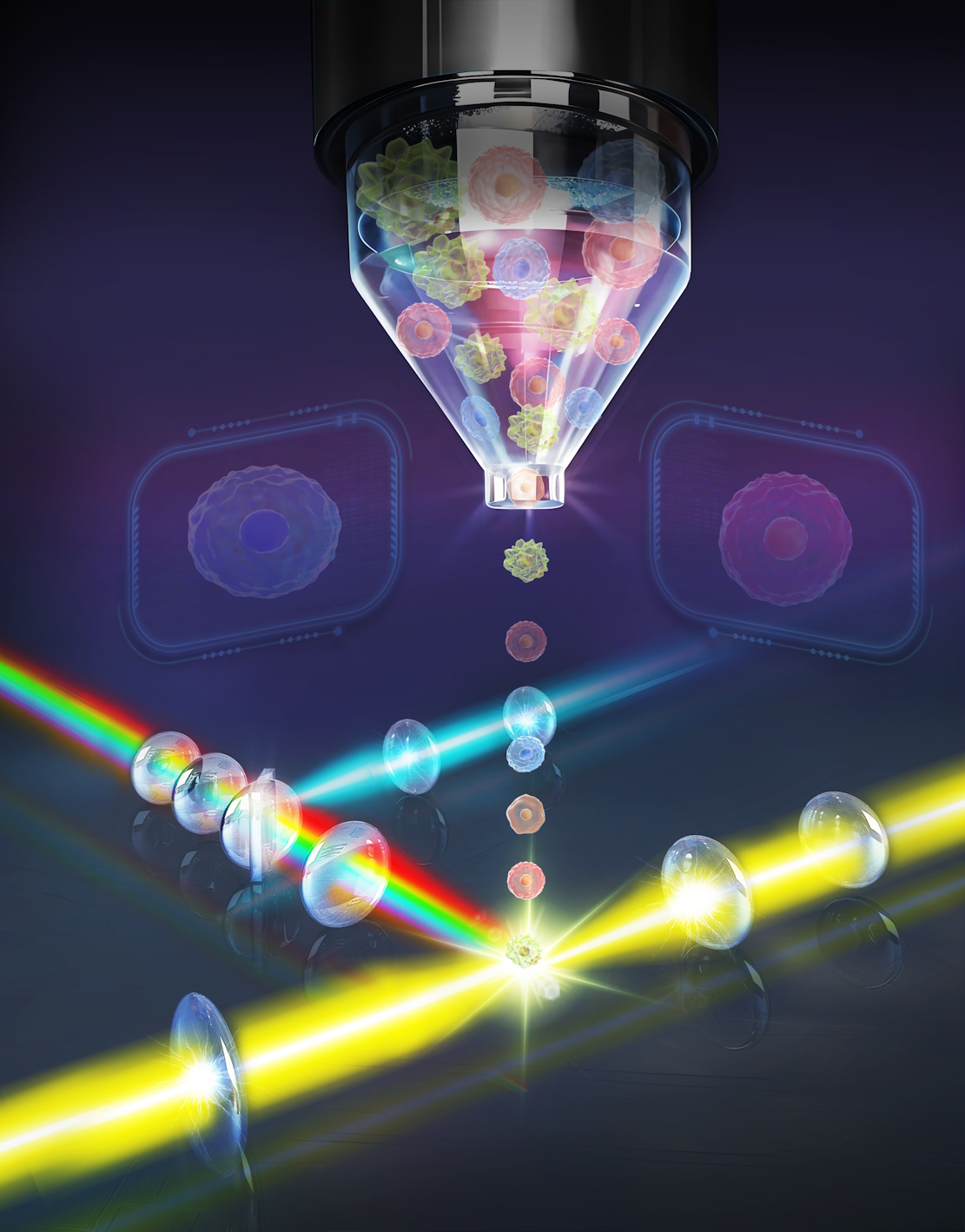
Dr. Xinyu Chen | The Cell Detectives: How Lasers and Artificial Intelligence Are Transforming Biology
Imagine searching for one unusual face in a stadium packed with thousands of people. Now imagine that every person is moving, the faces are nearly invisible, and you have only a fraction of a second to decide whom to stop. This is remarkably close to the challenge scientists face when they try to identify a particular cell among millions. Yet finding the right cells can help researchers understand disease, investigate immune responses, and discover biological differences that would otherwise remain hidden.
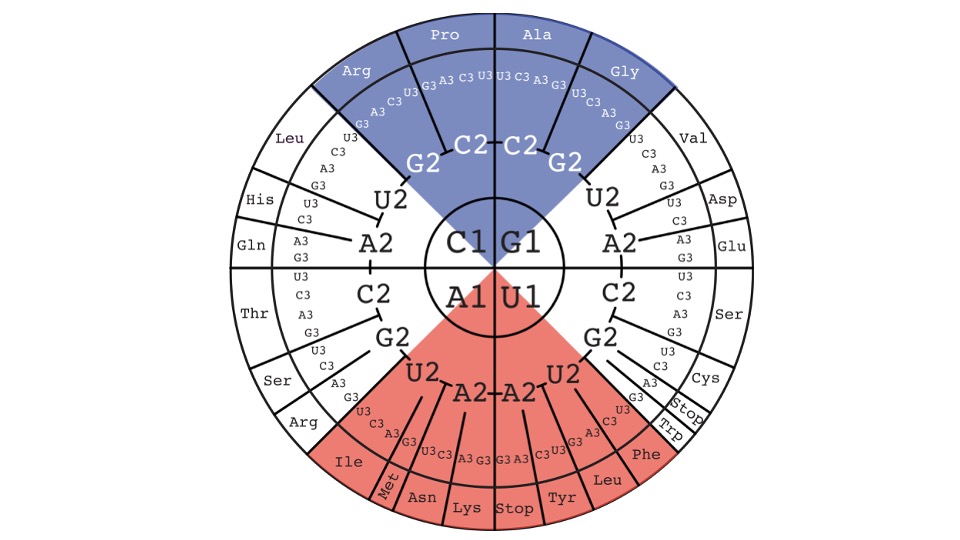
Professor Eric Westhof – Dr. Henri Grosjean | The Hidden Physics of Life: Rethinking the Genetic Code
For generations, biology students have encountered the genetic code as a neat table of letters. Across its rows and columns sit combinations such as AUG, GGC and UUU, each pointing to an ingredient used to build proteins. The table is one of science’s great achievements: a compact dictionary connecting genetic information with the molecules that make living cells work. Yet it also raises a question that textbooks rarely explore. Why is the code arranged as it is, and what might we discover by looking at it differently?
Increase the impact of your research
• Good science communication encourages everyday people to be scientifically literate so that they can analyse the integrity and legitimacy of information.
• Good science communication encourages people into STEM-related fields of study and employment.
• Good public science communication fosters a community around research that includes both members of the public, policymakers and scientists.
• In a recent survey, 75% of people suggested they would prefer to listen to an interesting story than read it.
Upload your science paper
Step 2
SciPod script written
Step 3
Voice audio recorded
Step 4
SciPod published