
Effects of DNA Repair Mechanisms, Oestrogen and Environmental Chemicals on Risk for Breast Cancer | Dr Joseph Jerry
Original Article Reference
This SciPod is a summary of https://doi.org/10.33548/SCIENTIA721
About this episode
All women are exposed to oestrogen from puberty through menopause. Oestrogen is a natural hormone that is important for breast development and the maintenance of tissues in women but is also linked to an increased risk of breast cancer. As many as 1 in 8 women in the USA will be diagnosed with breast cancer over their lifetime, and the majority of these breast cancers are sensitive to oestrogen. Dr Joseph Jerry and his collaborators at the University of Massachusetts are studying the environmental exposures and genetic differences that alter the consequences of exposure to oestrogens.
This work is licensed under a Creative Commons Attribution 4.0 International License. 
What does this mean?
Share: You can copy and redistribute the material in any medium or format
Adapt: You can change, and build upon the material for any purpose, even commercially.
Credit: You must give appropriate credit, provide a link to the license, and indicate if changes were made.
More episodes

Ádám Soós – Emőke Szőcs | The Hidden Architecture of Immunity: How Cells Find Their Way in a Bird’s Body
Deep inside the body of a developing bird lies a small, often overlooked organ that quietly orchestrates one of the most essential processes of life: the making of immune cells. This organ, known as the bursa of Fabricius, is not widely known outside scientific circles, yet it plays a central role in shaping how birds defend themselves against disease. Within its folds, an intricate story unfolds, one that blends biology, chemistry, and the remarkable choreography of migrating cells.
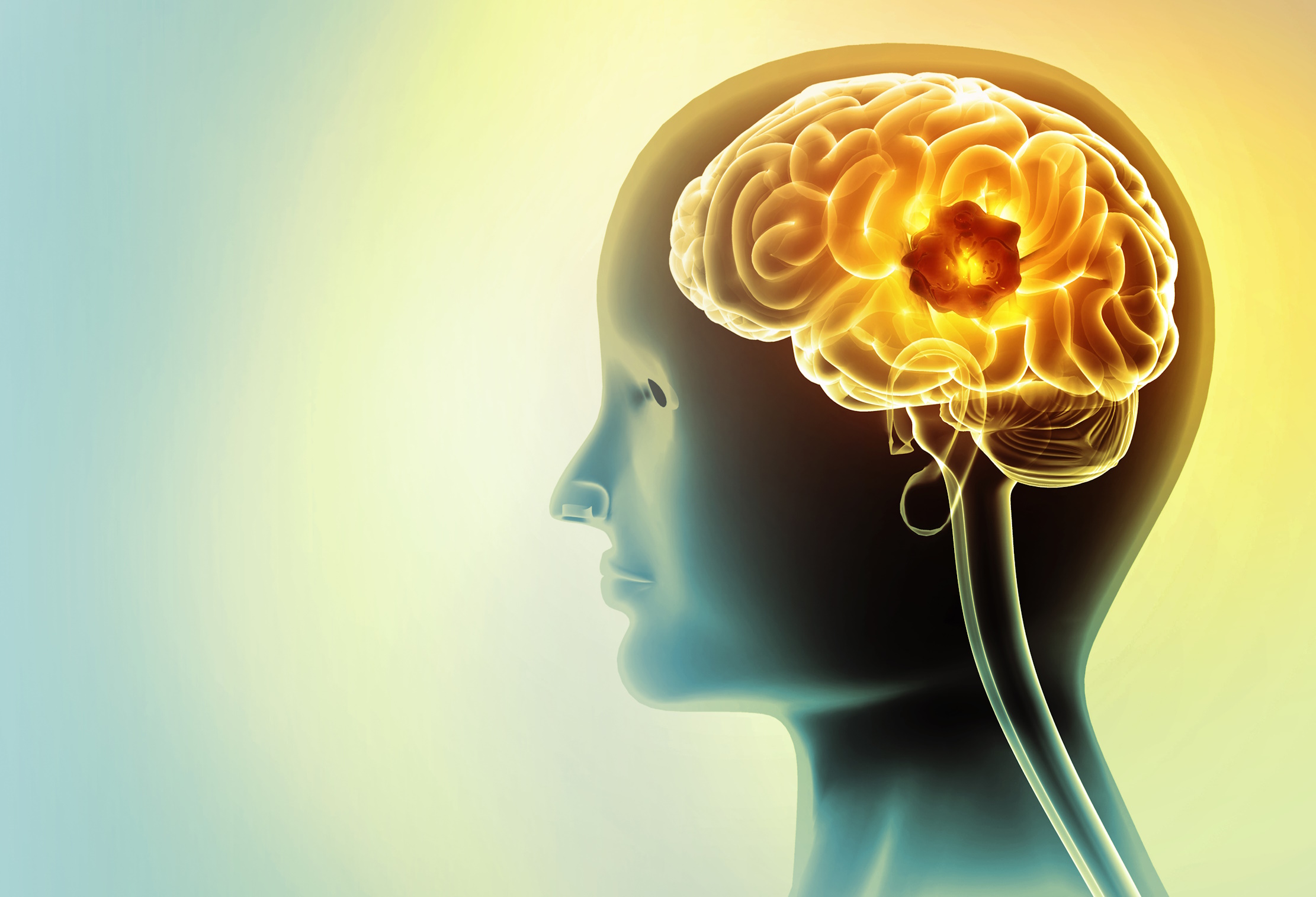
Prof. Jonathan Finlay | A Model for the Rarest Cancers: Choroid Plexus Carcinoma and the Li-Fraumeni Inheritable Cancer Syndrome.
In the landscape of childhood cancer, there are diseases so rare that even many physicians will never encounter a single case. Yet within these rare diagnoses lie some of the deepest biological insights and some of the most urgent clinical challenges. Choroid plexus carcinoma, often abbreviated as CPC, is one such disease. It is a malignant brain tumor that arises predominantly in very young children, most often under the age of four. Though rare, it is biologically revealing, clinically formidable, and, in recent years, the focus of a determined effort to change its outcome.
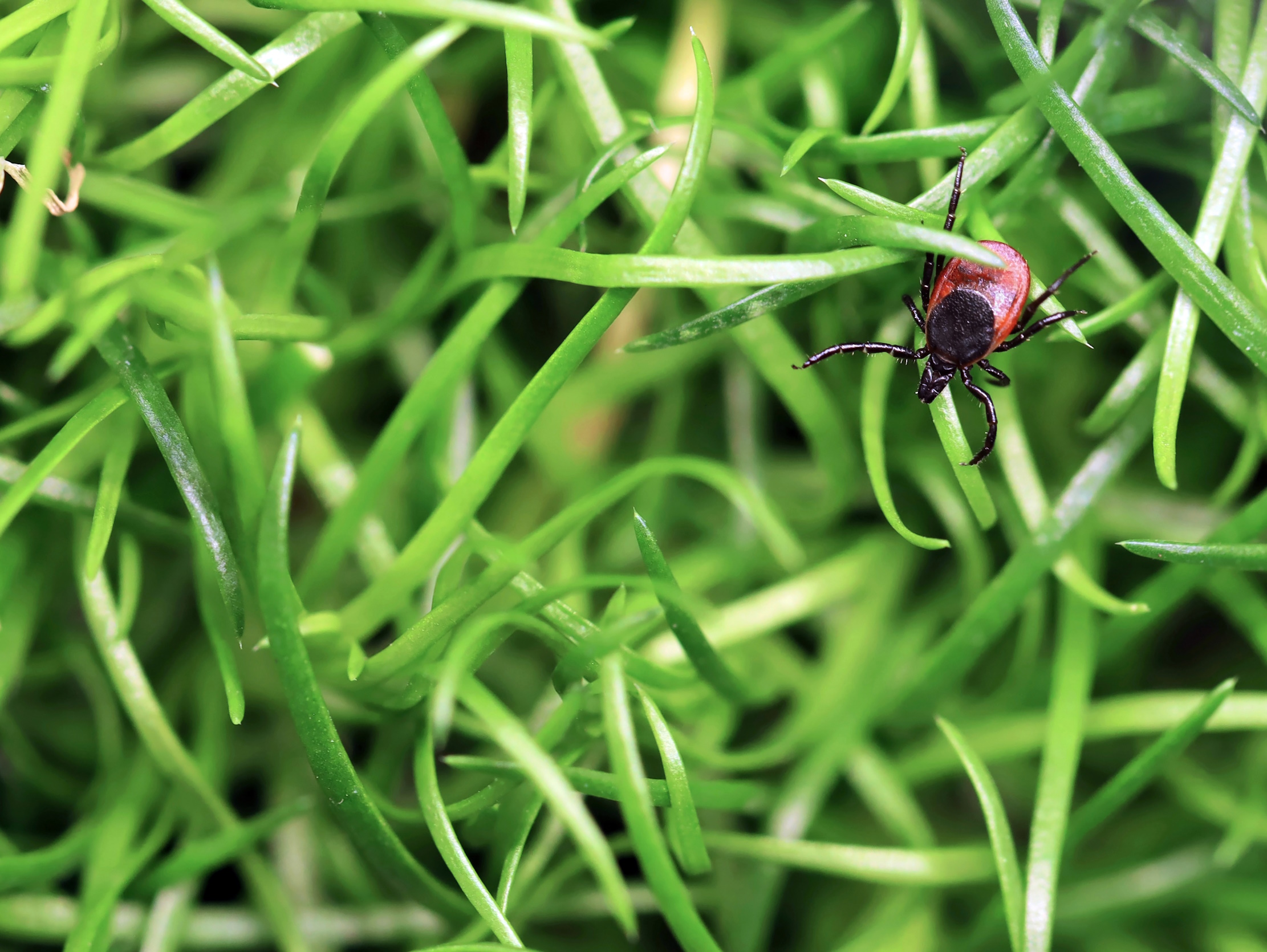
Prof. Megan Mladinich Valenti | Hidden in the Grass: The Rising Threat of Powassan Virus
On a warm spring afternoon in the northeastern United States, a walk through tall grass can feel harmless, even restorative. Yet hidden in the undergrowth is a growing public health concern that few people recognize by name. The Powassan virus is rare, but it is dangerous, and its quiet rise is reshaping how scientists think about tick borne disease, climate change, and neurological illness. In a recent review published in the journal Virulence, researchers Manpreet Kaur, Monica Adam, and Prof. Megan Mladinich Valenti bring together decades of scattered research to tell the evolving story of this virus and the risks it poses.

Prof. James Meabon | Invisible Wounds, Visible Signals: Finding Brain Signals of Military Blast
In the years since the wars in Iraq and Afghanistan, many military veterans have carried home an invisible burden. Blast-related mild traumatic brain injury, often called blast-mTBI, has been described as the signature injury of those conflicts. It is labeled mild, yet for many who experience it, the consequences are anything but. Veterans report persistent headaches, sleep disturbances, memory lapses, mood changes, irritability, and difficulties with concentration and decision making. These symptoms can linger for years, affecting relationships, work, and overall quality of life.
Increase the impact of your research
• Good science communication helps people make informed decisions and motivates them to take appropriate and affirmative action.
• Good science communication encourages everyday people to be scientifically literate so that they can analyse the integrity and legitimacy of information.
• Good science communication encourages people into STEM-related fields of study and employment.
• Good public science communication fosters a community around research that includes both members of the public, policymakers and scientists.
• In a recent survey, 75% of people suggested they would prefer to listen to an interesting story than read it.

Step 1 Upload your science paper
Step 2 SciPod script written
Step 3 Voice audio recorded
Step 4 SciPod published