On a warm spring afternoon in the northeastern United States, a walk through tall grass can feel harmless, even restorative. Yet hidden in the undergrowth is a growing public health concern that few people recognize by name. The Powassan virus is rare, but it is dangerous, and its quiet rise is reshaping how scientists think about tick borne disease, climate change, and neurological illness. In a recent review published in the journal Virulence, researchers Manpreet Kaur, Monica Adam, and Prof. Megan Mladinich Valenti bring together decades of scattered research to tell the evolving story of this virus and the risks it poses. More
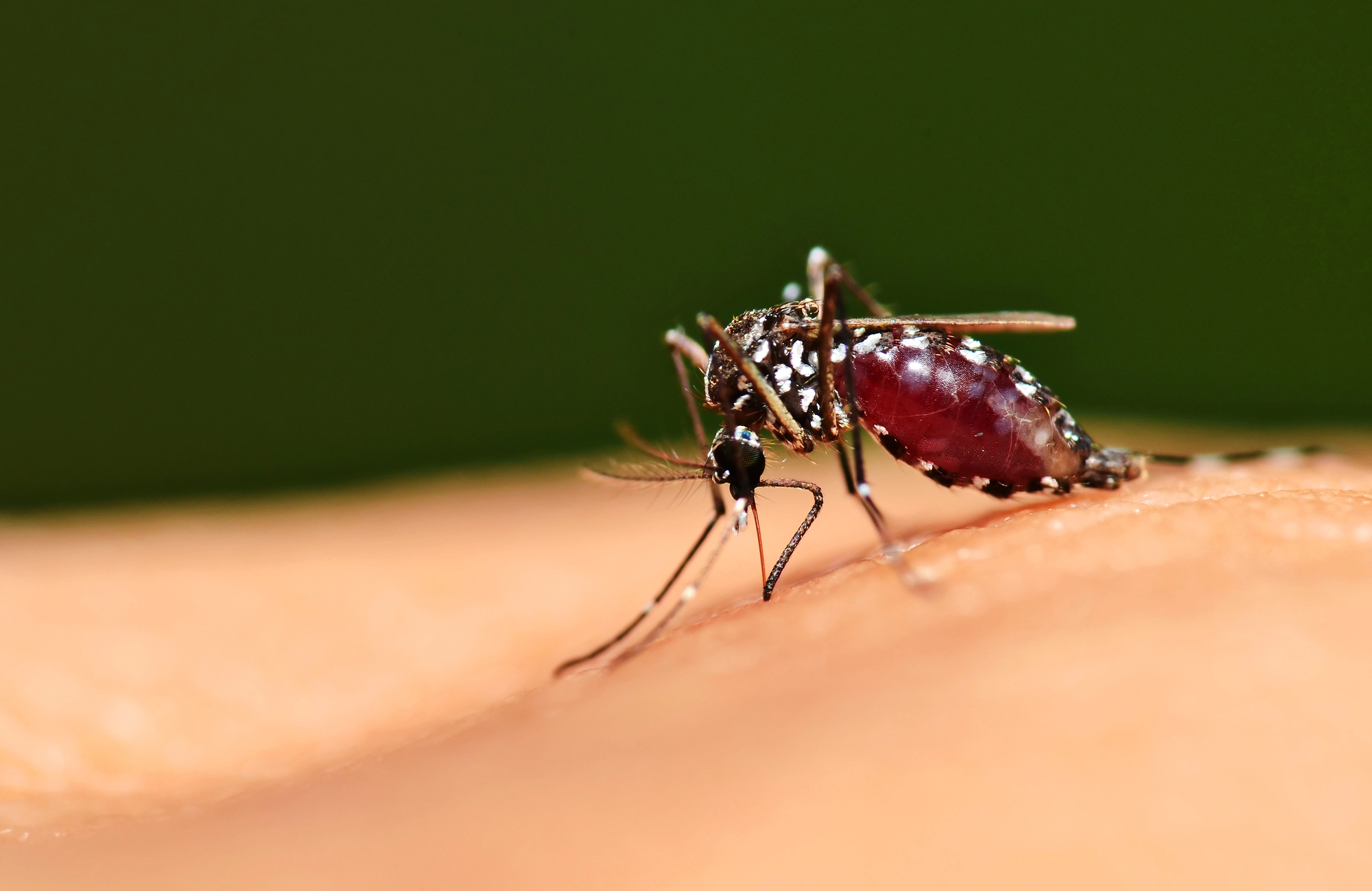
Powassan virus belongs to a family of viruses called flaviviruses, which also includes more familiar names such as West Nile virus and Zika virus. Powassan virus is spread by several species of ticks including deer ticks. What sets Powassan apart from other tick-borne diseases is how quickly it spreads and how severe its consequences can be. Unlike Lyme disease, which typically requires a tick to remain attached for a day or more, Powassan virus can be transmitted in as little as fifteen minutes. This means that even people who are vigilant about tick checks may still be vulnerable.
Most people who become infected never realize it. Their immune systems clear the virus with few or no symptoms. For others, the experience is far more serious. Roughly one in ten people who develop neurological disease from Powassan virus will not survive. Among survivors, about half are left with long term effects such as memory loss, muscle weakness, or seizures. These are not fleeting illnesses but life altering outcomes that can last for years.
Prof. Megan Mladinich Valenti, a virologist at SUNY Old Westbury, has spent years studying how Powassan virus moves through the body and why it causes such devastating damage to the brain. In the review, she and her colleagues explain that infection begins at the site of the tick bite, where the virus enters the skin along with tick saliva. Tick saliva is not just a delivery system. It actively suppresses the body’s early immune responses, giving the virus a head start.
Once inside the body, the virus begins replicating in local cells and can quickly spread to the lymph nodes and bloodstream. What happens next remains one of the biggest unanswered questions in Powassan research. Somehow, the virus crosses the blood brain barrier, a highly selective boundary that normally protects the brain from pathogens. When this barrier is breached, the virus infects neurons and supporting cells, triggering inflammation and damage in critical regions of the brain and spinal cord.
The effects are often most severe in older adults. People over the age of sixty are more likely to develop encephalitis and to experience fatal outcomes. Animal studies mirror this pattern. Older mice infected with Powassan virus show higher viral levels in the brain and much higher mortality rates than younger mice. Researchers believe this age dependence may be linked to how the immune system changes over time, particularly in the brain, where inflammation can shift from protective to destructive.
The virus itself also plays an active role in shaping disease severity. The review highlights several viral proteins that act as virulence factors, meaning they help the virus invade the body, evade immune defences, or damage tissue. One of the most important is the envelope protein, which coats the surface of the virus and allows it to enter host cells. Small changes in this protein can dramatically alter how dangerous the virus is. In laboratory studies, a single mutation was enough to eliminate lethal disease in mice, pointing to promising targets for vaccine design.
Another key player is a protein called NS1, which is released from infected cells and circulates through the body. NS1 helps the virus replicate, but it also interferes with immune signalling and can increase inflammation. Because NS1 is exposed to the immune system, it has become a focus of efforts to weaken the virus without eliminating its ability to stimulate protective immunity.
Despite these insights, there are currently no approved vaccines or antiviral treatments for Powassan virus. Prevention relies almost entirely on avoiding tick bites, an increasingly difficult task as tick populations expand. Climate change has played a major role in this expansion. Warmer temperatures allow ticks to survive in new regions and for longer seasons, while changes in land use bring wildlife, ticks, and humans into closer contact. As a result, Powassan virus cases are appearing in places where the virus was rarely or never seen before.
The review by Prof. Megan Mladinich Valenti and her colleagues makes clear that Powassan virus is likely underreported. Blood tests show that many more people have been exposed to the virus than the number of diagnosed cases would suggest. This hidden burden complicates public health surveillance and makes it harder to assess the true scale of the threat.
Still, there is reason for cautious optimism. Advances in vaccine technology have opened new possibilities. Experimental vaccines using messenger RNA, synthetic DNA, and virus like particles have all shown promise in animal models. Some of these approaches generate strong immune responses that protect against multiple strains of Powassan virus. Others are designed to mimic natural infection closely enough to produce long lasting immunity without causing disease.
Live attenuated vaccines are another area of active research. These vaccines use weakened forms of the virus that can replicate just enough to train the immune system. Creating such vaccines requires a deep understanding of viral genetics and virulence, precisely the kind of knowledge synthesized in this review. By identifying which viral features are essential for causing disease, scientists can selectively disable them while preserving immune recognition.
Beyond vaccines, the research has broader implications. Studying Powassan virus sheds light on how viruses invade the brain, how aging affects immune responses, and how vector borne diseases adapt to environmental change. These lessons apply not only to Powassan but to a wide range of emerging infections.
What makes the work of Prof. Megan Mladinich Valenti particularly important is its integrative approach. Rather than focusing on a single molecule or experiment, the review connects epidemiology, molecular biology, immunology, and ecology into a coherent picture. This kind of synthesis is essential for tackling complex public health challenges that do not fit neatly into one discipline.
As tick seasons lengthen and awareness grows, Powassan virus is likely to gain more attention from scientists and the public alike. The hope is that by understanding how this virus operates, from the moment of a tick bite to the inflammation it causes in the brain, researchers can stay one step ahead. The story of Powassan virus is a reminder that even rare diseases deserve serious attention, especially when the conditions that allow them to spread are becoming more common.
In the quiet woods and suburban backyards of North America, the risk may still be small, but it is no longer negligible. Thanks to the work of researchers such as Prof. Megan Mladinich Valenti, the scientific community is better equipped to confront it.