
Dr. Marzia Cremona – Using Functional Data Analysis to Better Understand COVID-19 Mortality
Original Article Reference
This SciPod is a summary of the paper ‘Functional data analysis characterizes the shapes of the first COVID-19 epidemic wave in Italy’, published in Scientific Reports. DOI: https://doi.org/10.1038/s41598-021-95866-y
About this episode
Italy was the first European country to experience a major outbreak of COVID-19. Across the country, intriguingly different patterns of mortality were seen across regions. Dr. Marzia Cremona from Université Laval, in collaboration with a global team of researchers from the Pennsylvania State University and the Sant’Anna School of Advanced Studies, used novel statistical tools from the field of functional data analysis (FDA) to identify several important factors contributing to these differences. This work has critical implications for policymaking and also demonstrates the useful application of FDA techniques to epidemiological research.
This work is licensed under a Creative Commons Attribution 4.0 International License. 
What does this mean?
Share: You can copy and redistribute the material in any medium or format
Adapt: You can change, and build upon the material for any purpose, even commercially.
Credit: You must give appropriate credit, provide a link to the license, and indicate if changes were made.
More episodes
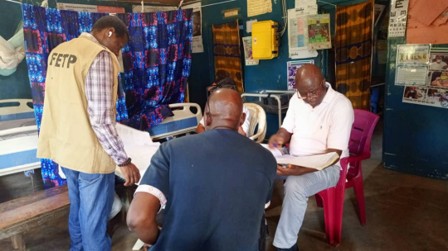
Dr. Gebrekrstos Negash Gebru | On the Front Lines of a Pandemic: Sierra Leone’s Field Epidemiology Training Program Success Story
In early 2020, as headlines around the world warned of a fast-spreading new virus, Sierra Leone watched with a mixture of concern and determination. The country had not forgotten the devastating Ebola outbreak of 2014 to 2015, which had exposed painful weaknesses in disease detection, surveillance, and emergency response. That experience left deep scars, but it also sparked reform. When COVID-19 began its global sweep, Sierra Leone faced the crisis with a stronger foundation than many might have expected.

Prof. José Ignacio Nazif-Muñoz | Quand la chaleur rencontre la route: comment la hausse des températures modifie la sécurité routière en milieu urbain
Lors d’une journée d’été étouffante, la plupart d’entre nous remarquent les effets évidents de la chaleur. Nous nous sentons plus lents, plus irritables et impatients d’échapper au soleil. Ce qui est moins visible, c’est la manière dont ces mêmes conditions modifient discrètement notre comportement au volant. Une étude récente dirigée par le professeur José Ignacio Nazif-Muñoz de l’Université de Sherbrooke, en collaboration avec le professeur Jose Guillermo Cedeño Laurent de l’Université Rutgers, explore ce lien caché, révélant comment les vagues de chaleur et les modèles thermiques urbains influencent la sécurité routière dans cinq villes du Québec. Les résultats rappellent opportunément que le changement climatique n’est pas seulement un enjeu environnemental, mais aussi une question de sécurité publique qui touche la vie quotidienne de manière inattendue.
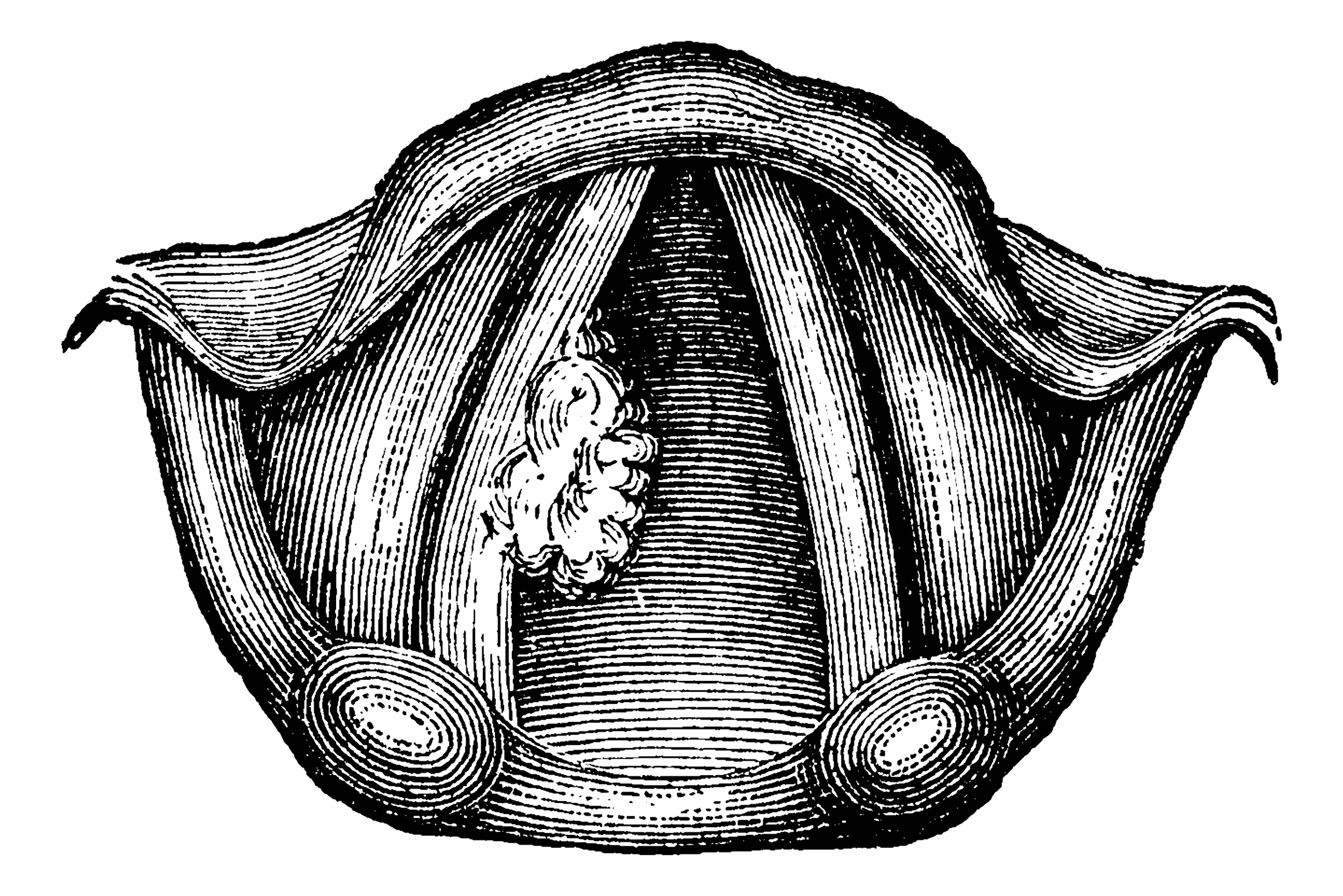
Prof. Dr. Dietmar Thurnher | From Silence to Survival: 150 Years of Laryngectomy and the Future of Voice
In the late nineteenth century, medicine stood at a threshold between desperation and discovery. Cancer of the larynx, the structure that gives us voice and guards our airway, was almost always fatal. Surgeons had few tools and even fewer successes. Then, in 1873, a bold and controversial operation changed everything. Theodor Billroth performed the first total laryngectomy, removing the entire voice box in a human patient. It was a radical act that saved a life, but at the cost of speech and natural breathing. That moment marked the beginning of a long and evolving journey in head and neck cancer care.

Dr. Manreet Bhullar | Invisible Hazards: How Water Shapes the Safety of Hydroponic Food
At first glance, hydroponic farming seems like the future made real. Rows of leafy greens grow indoors, roots suspended in carefully balanced nutrient solutions, untouched by soil and shielded from many of the uncertainties of outdoor agriculture. This method promises efficiency, precision, and sustainability. It uses far less water than traditional farming and produces food in tightly controlled environments. Yet beneath this clean and modern image lies a quieter story about risk, one that flows through the very water that sustains these crops.
Increase the impact of your research
• Good science communication helps people make informed decisions and motivates them to take appropriate and affirmative action.
• Good science communication encourages everyday people to be scientifically literate so that they can analyse the integrity and legitimacy of information.
• Good science communication encourages people into STEM-related fields of study and employment.
• Good public science communication fosters a community around research that includes both members of the public, policymakers and scientists.
• In a recent survey, 75% of people suggested they would prefer to listen to an interesting story than read it.
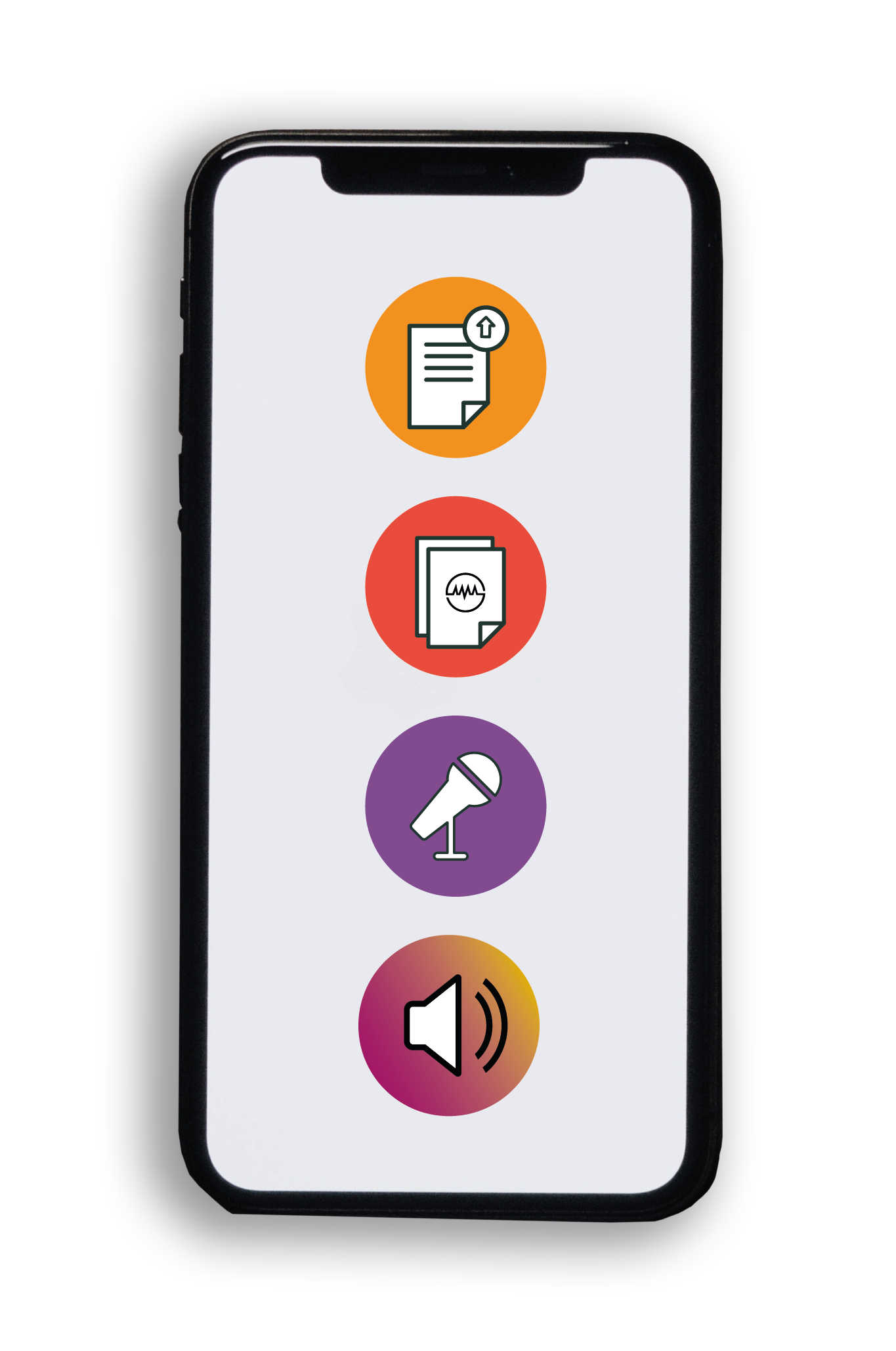
Step 1 Upload your science paper
Step 2 SciPod script written
Step 3 Voice audio recorded
Step 4 SciPod published