
Do Maternal Influences on Birthweight Influence Future Cardiometabolic Risk? | Dr Gunn-Helen Moen
Original Article Reference
This SciPod is a summary of the paper ‘Mendelian randomization study of maternal influences on birthweight and future cardiometabolic risk in the HUNT cohort’, published in Nature Communications. DOI: https://doi.org/10.1038/s41467-020-19257-z
About this episode
Adverse environmental factors in the mother’s womb and/or during the first years of life have traditionally been thought to be responsible for an increased risk of cardiometabolic disease for children later in life. Dr Gunn-Helen Moen [MO-en] at the University of Oslo in Norway and her collaborators used sophisticated statistical and genetic techniques to identify whether there is a causal effect of environmental factors that influence intrauterine growth on future cardiometabolic risk in the child. Their results were surprising but important.
This work is licensed under a Creative Commons Attribution 4.0 International License. 
What does this mean?
Share: You can copy and redistribute the material in any medium or format
Adapt: You can change, and build upon the material for any purpose, even commercially.
Credit: You must give appropriate credit, provide a link to the license, and indicate if changes were made.
More episodes
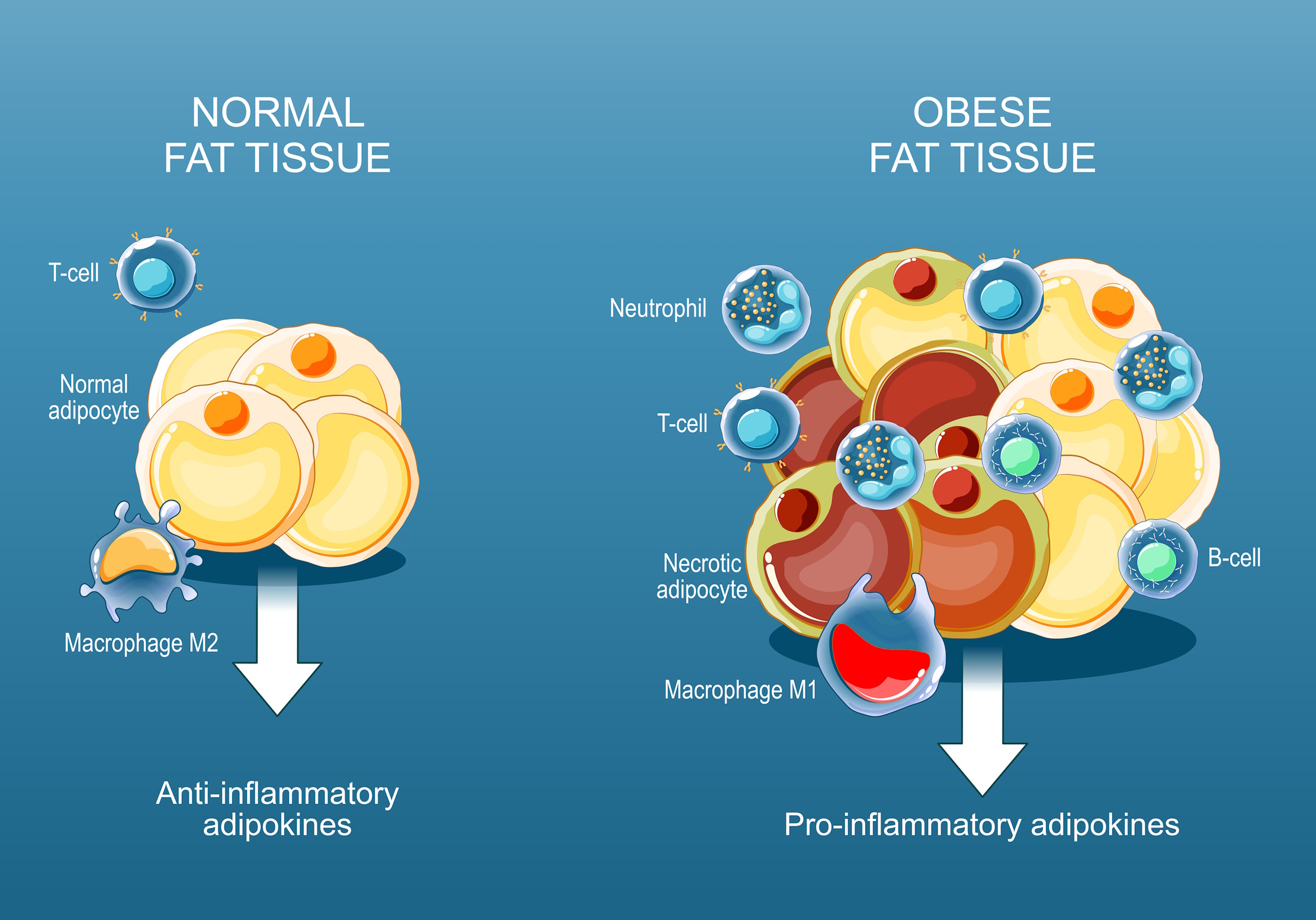
Prof. Jamie Rausch | The Hidden Life of Fat: How Adipose Tissue Shapes Health Across a Lifetime
For much of modern history, body fat was viewed simply as stored energy, a passive reserve that expanded or shrank depending on diet and activity. Today, that understanding has shifted dramatically. Research led by scholars such as Prof. Jamie Rausch of Indiana University reveals that adipose tissue is not merely a storage site but a dynamic, hormone-producing system that influences nearly every aspect of human health. When this system becomes dysregulated, it can quietly set the stage for chronic diseases that affect millions worldwide.

Prof. Letitia Pienaar | The Long Journey Toward Mental Health Rights in South Africa
Mental health is increasingly recognised as a vital part of human well-being, yet the legal systems that protect people with mental illness have often developed slowly. In South Africa, the story of mental health legislation is a powerful example of how societies move from fear and control toward dignity and rights. The research of Prof. Letitia Pienaar of the University of South Africa explores this transformation and reveals how law, history, and human experience have shaped the country’s modern approach to mental health care. Her work shows that progress has been significant, but it also highlights the continuing challenges in turning legal promises into real protection for vulnerable people.

Prof. José Ignacio Nazif-Muñoz | When Heat Meets the Road: How Rising Temperatures Are Changing Urban Traffic Safety
On a sweltering summer day, most of us notice the obvious effects of heat. We feel slower, more irritable, and eager to escape the sun. What is less obvious is how these same conditions quietly reshape our behavior behind the wheel. A recent study led by Prof. José Ignacio Nazif-Muñoz of the University of Sherbrooke in collaboration with Prof. Jose Guillermo Cedeño Laurent of Rutgers University explores this hidden connection, revealing how heatwaves and urban heat patterns influence road safety across five cities in Québec. The findings offer a timely reminder that climate change is not only an environmental issue but also a public safety concern that touches everyday life in unexpected ways.
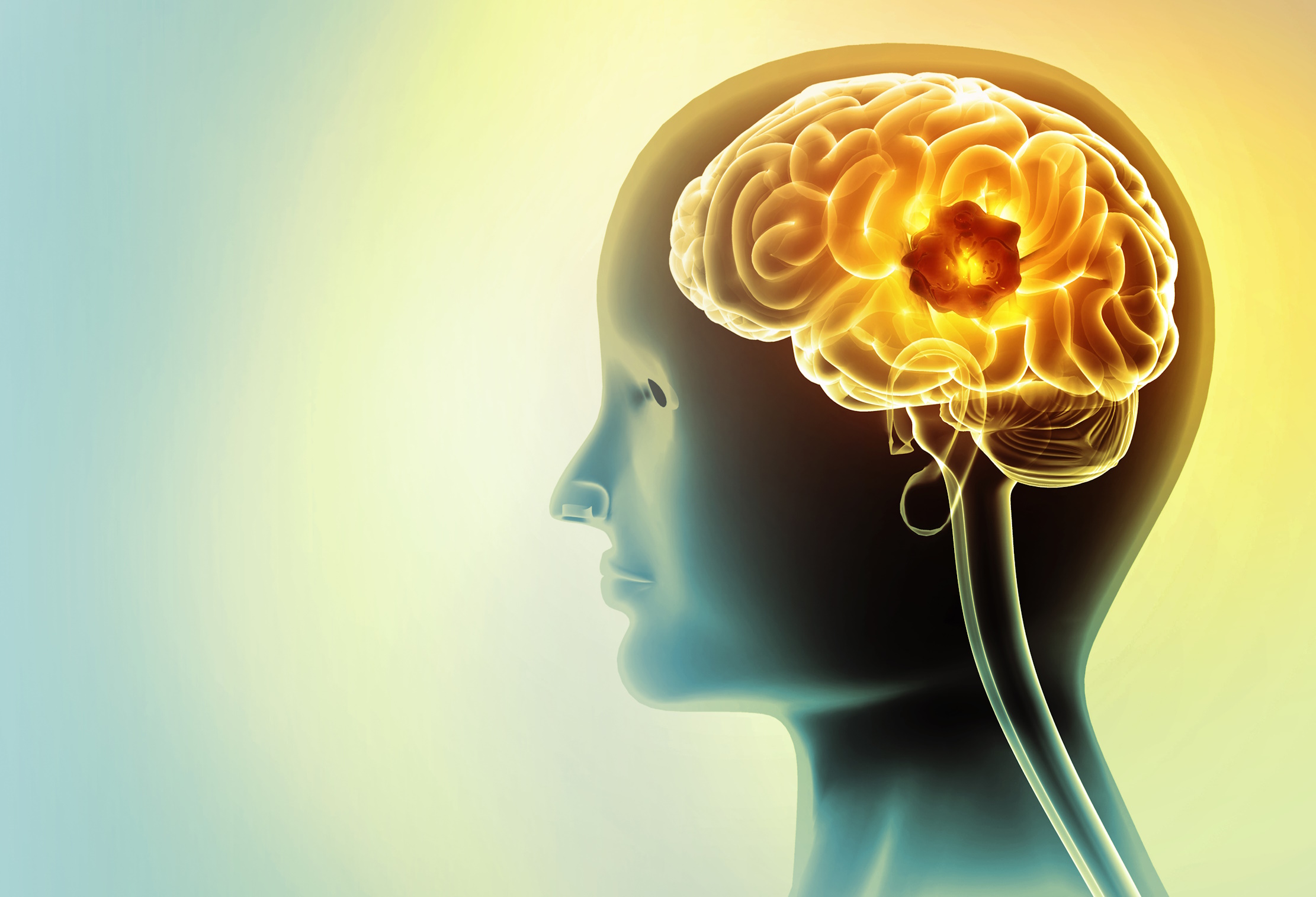
Prof. Jonathan Finlay | A Model for the Rarest Cancers: Choroid Plexus Carcinoma and the Li-Fraumeni Inheritable Cancer Syndrome.
In the landscape of childhood cancer, there are diseases so rare that even many physicians will never encounter a single case. Yet within these rare diagnoses lie some of the deepest biological insights and some of the most urgent clinical challenges. Choroid plexus carcinoma, often abbreviated as CPC, is one such disease. It is a malignant brain tumor that arises predominantly in very young children, most often under the age of four. Though rare, it is biologically revealing, clinically formidable, and, in recent years, the focus of a determined effort to change its outcome.
Increase the impact of your research
• Good science communication helps people make informed decisions and motivates them to take appropriate and affirmative action.
• Good science communication encourages everyday people to be scientifically literate so that they can analyse the integrity and legitimacy of information.
• Good science communication encourages people into STEM-related fields of study and employment.
• Good public science communication fosters a community around research that includes both members of the public, policymakers and scientists.
• In a recent survey, 75% of people suggested they would prefer to listen to an interesting story than read it.
Step 1 Upload your science paper
Step 2 SciPod script written
Step 3 Voice audio recorded
Step 4 SciPod published