
Arts and Humanities
Explore Arts and Humanities
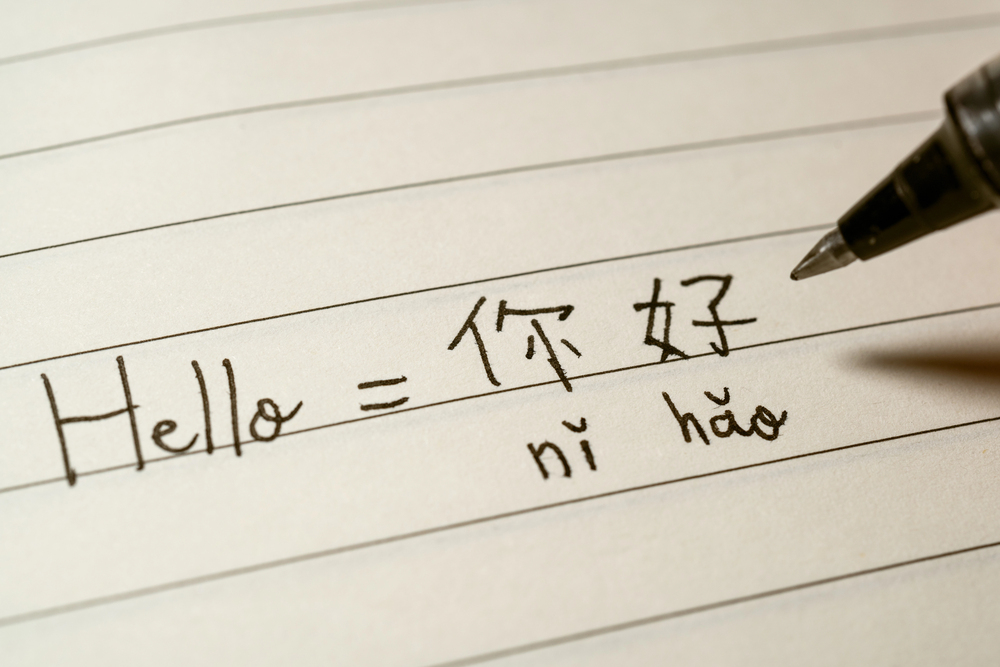
Professor Shanshan Yan | Heritage Language Learners Show Unique Advantages in Chinese Language Processing
Learning a new language as an adult is challenging, especially when the new language has features that differ significantly from one’s native tongue. This phenomenon is key to a new study led by Professor Shanshan Yan at Peking University, which examines how language learning is affected when learners encounter features in their second language that are similar to those in their first language.
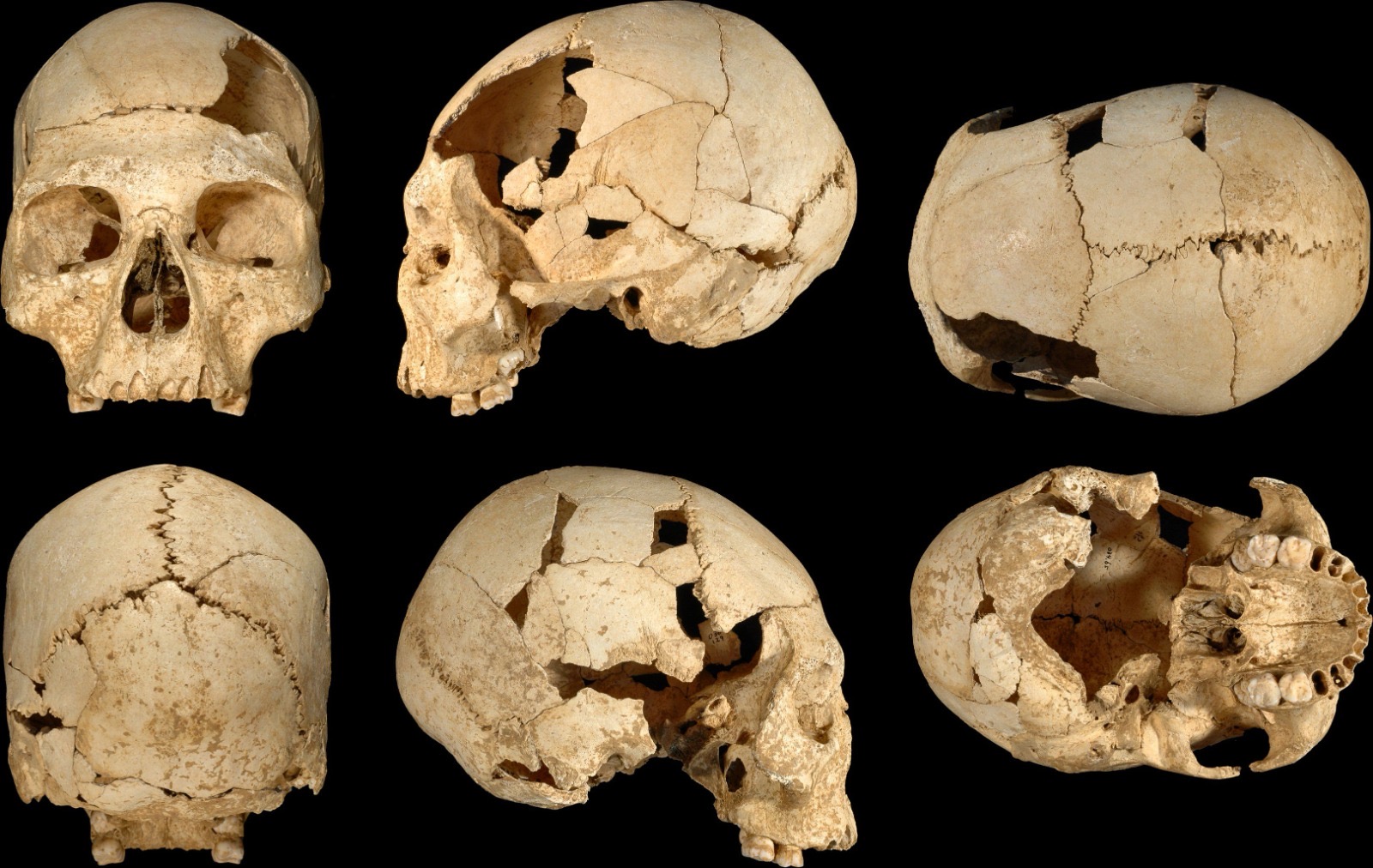
Nicolas Teyssandier | Unravelling the Middle-to-Upper Paleolithic Transition in Europe
The transition from the Middle to Upper Paleolithic in Europe marks a pivotal period in human evolution, with the replacement of Neanderthals by anatomically modern humans. A new study by Nicolas Teyssandier, Director of Research at the French National Center for Scientific Research (CNRS) and vice director of the TRACES laboratory at the Toulouse Jean Jaurès University examines the archaeological evidence for this transition and attempts to reconcile it with recent discoveries, shedding new light on this complex period of cultural and biological change.

Professor Richard M. Eaton | Rethinking Cultural Exchange in India in the Persianate Age, 1000-1765
In his book India in the Persianate Age, historian Professor Richard M. Eaton of the University of Arizona challenges long-held assumptions about India’s history from 1000 to ca. 1800 CE. By examining the complex interactions between Persian and Sanskrit cultural spheres, Eaton offers a fresh perspective on this pivotal period, shedding light on the dynamic processes of cultural exchange and integration that shaped the subcontinent.
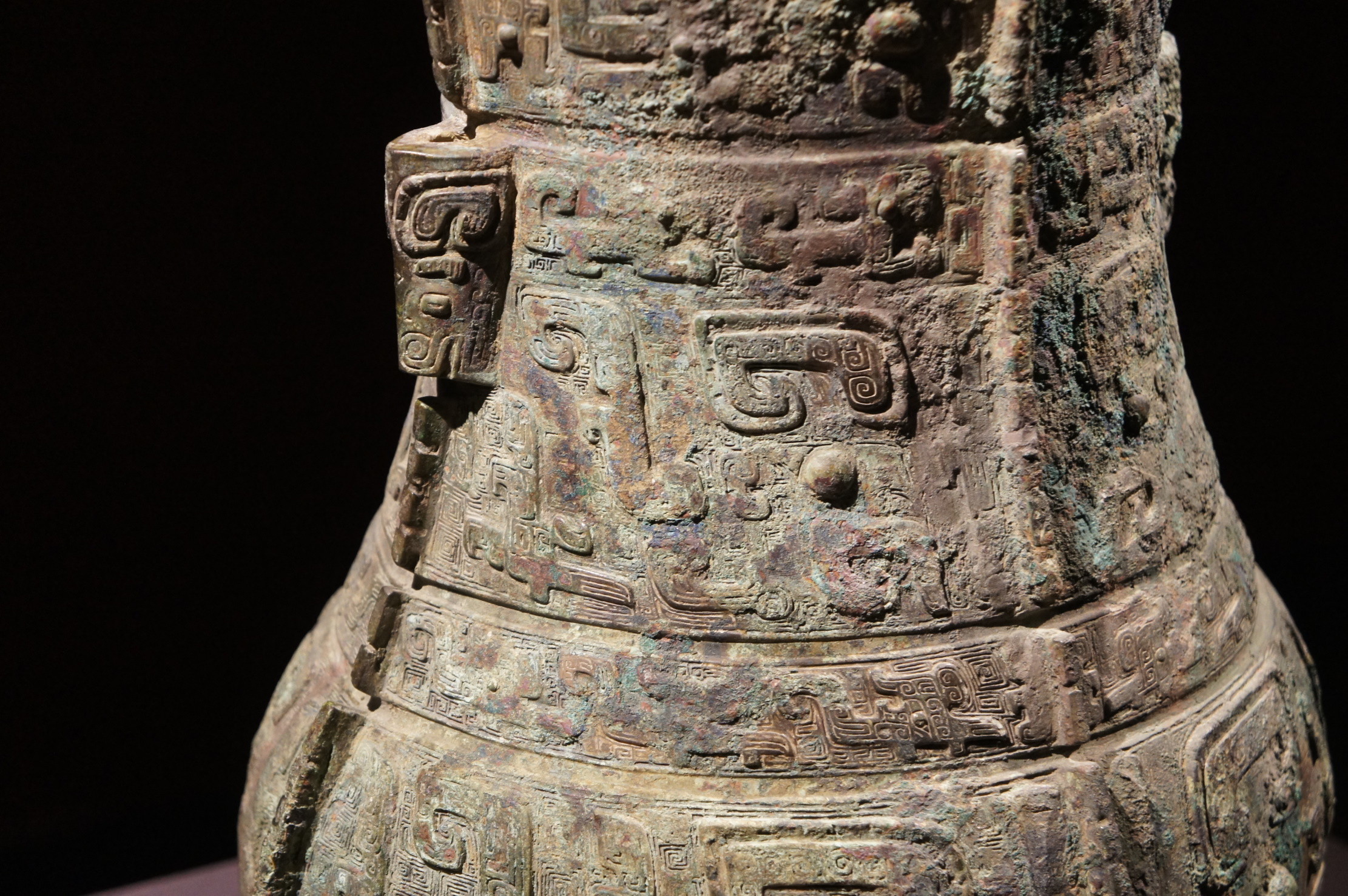
Assistant Professor Wen Yin (Elaine) Cheng | Bronze Casting Moulds Reveal Late Shang Dynasty Craftsmanship
Bronze vessel casting technology in ancient China’s Shang Dynasty has long been of interest to archaeologists. Assistant Professor Wen Yin (Elaine) Cheng at Wilfrid Laurier University has shed new light on the knowledge and organisation of artisans who made these pieces. By analysing bronze vessel casting moulds, she has uncovered intricate production sequences that offer fresh insights into the social dynamics of this ancient civilization beyond the elite class typically depicted in historical records.

Axel Marx | The successes of voluntary sustainability standards and the challenges they face
Voluntary Sustainability Standards have emerged as influential tools to promote sustainable practices in global value chains and are becoming increasingly relevant in the context of new legislation by the European Union and other governments for the promotion of sustainable development. A comprehensive review led by Axel Marx at KU Leuven examines the evolution, impacts, and challenges of these standards, offering insights into their role in global governance and sustainable development.
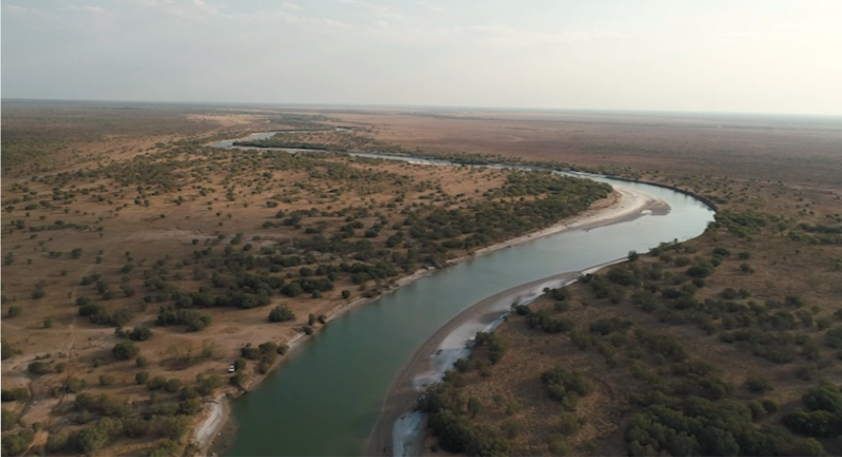
Professor Anne Poelina | The Key to Solving Climate Change May Lay in Indigenous Wisdom
In the Kimberley region of Western Australia, Indigenous First Australians are partnering with researchers and together they are pioneering a revolutionary approach to environmental planning and management, called ‘Caring for the River Country’. By blending ancient wisdom, Indigenous First Law and science with Western science, they’re reimagining our relationship with nature and offering a blueprint for global climate action. Professor Anne Poelina at the University of Notre Dame Australia argues that the key to our planet’s future may lie in Indigenous knowledge and wisdom, and ways of conceiving of our natural environment as kin.
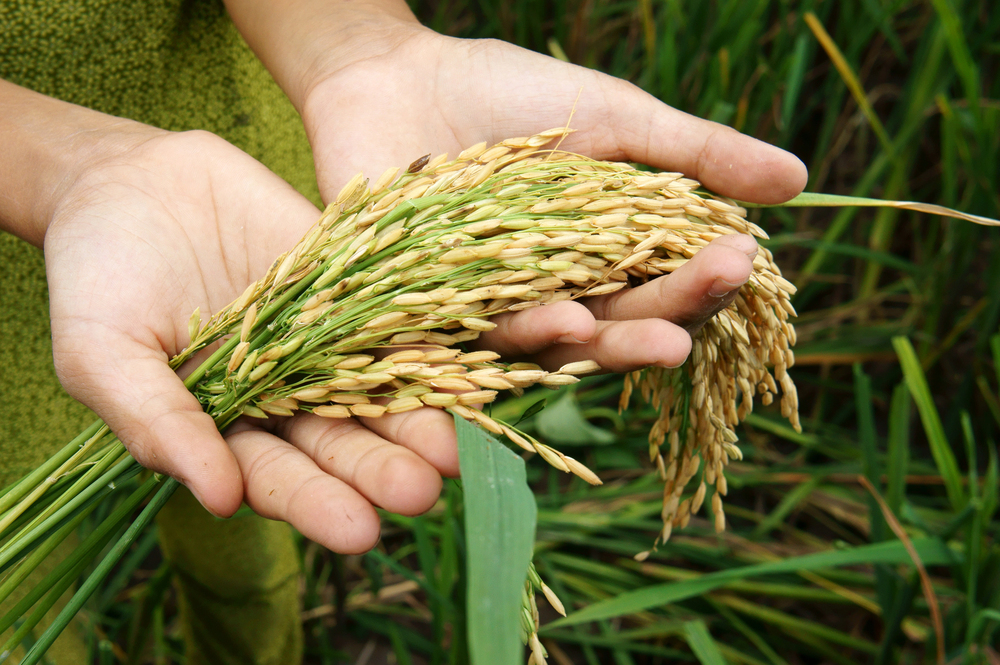
Professor Elliot Berry | Why Food Security is Crucial to the Development of Human Societies
Darwin identified fire and language as the key elements of human progress. Professor Elliot Berry, of the Hebrew University of Jerusalem, argues that nutrition and food security are equally vital for cultural evolution. He is a Specialty Chief Editor of Frontiers in Nutrition – Nutrition and Sustainable Diets, and an Editor of the three volume Encyclopaedia of Food Security and Sustainability. Berry explains that food security supports the development of sociotypes, which describe how individuals interact within society, and emphasizes their importance, especially amid global crises, for sustainable development and public health. He advocates that we recognize food security as a fundamental human right and incorporate sociotype concepts in medicine and public health.

Professor Elena Baracani | How President von der Leyen Shaped the EU’s Response to Russia’s Invasion of Ukraine
When Russia launched its full-scale invasion of Ukraine in February 2022, the European Union faced a crisis that demanded a swift and unified response. A new study by Professor Elena Baracani from the University of Bologna examines how Ursula von der Leyen, President of the European Commission, used her leadership role to shape the EU’s reaction during the crucial first 10 weeks of the conflict.
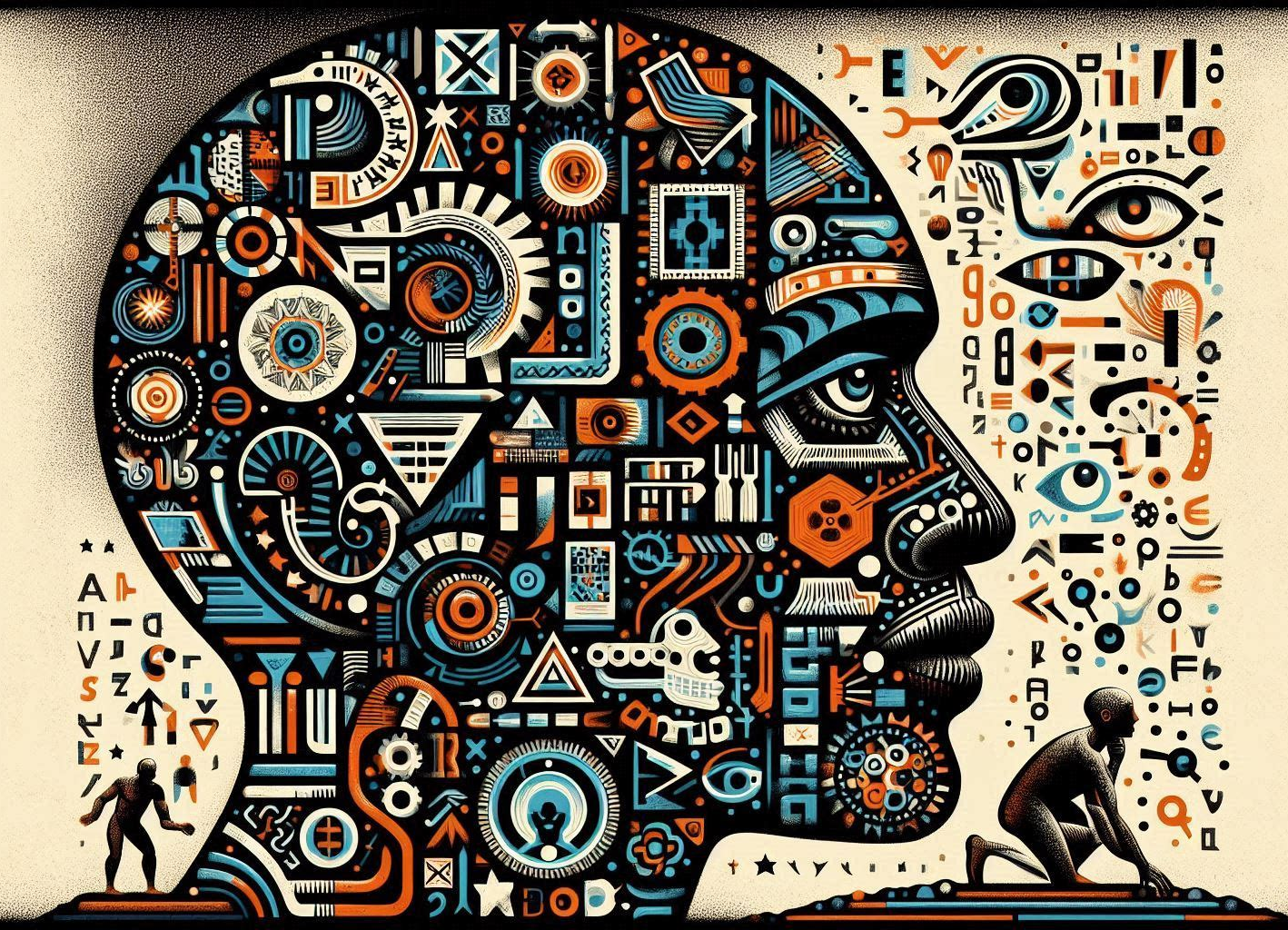
Dr Hana Jee | Unlocking the Secret Code of Writing Systems
Ever wondered why letters look the way they do? Dr Hana Jee at York St John University in the UK investigates intriguing connections between how languages sound and how they are written. Using a number of methodologies, she has conducted innovative research to quantify these relationships. Her work began with Korean Hangul, a writing system intentionally designed to be highly logical and systematic. Dr Jee has since expanded her research to include diverse scripts like Arabic, English, Hebrew and many others. Her findings suggest unexpected patterns across writing systems, opening several fascinating future research avenues.

Marine Bardou | Quiet Early Bird or Loud Late Riser? Understanding the European Parliament’s Involvement in International Agreements
The European Parliament has the ability to play a key role in shaping the European Union’s international agreements. But how exactly does it get involved in these complex negotiations? Researcher Marine Bardou from the University of Louvain has conducted a comprehensive study to answer this question, revealing surprising patterns in the Parliament’s activities.
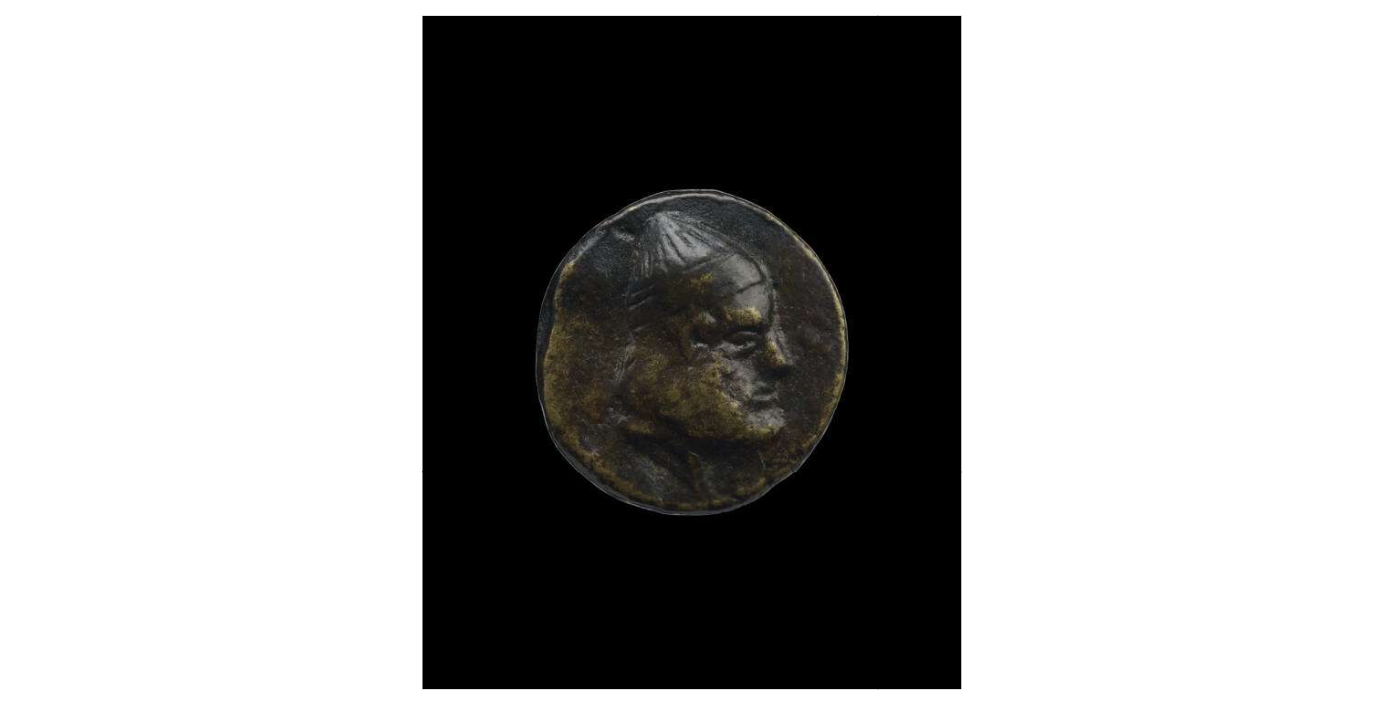
Dr Laura Perucchetti | How Researchers at the British Museum Detected and Tested Greek Coin Forgeries
Laura Perucchetti and colleagues at the British Museum have uncovered a group of skilfully crafted counterfeit ancient coins that may be one of the earliest examples of forgers using scientific analysis to dupe collectors. By examining the composition of the coins and comparing them with genuine artefacts, experts believe the forgers deliberately used ancient metal to avoid detection. The findings highlight the long history of a cat and mouse game between forgers and analysts, and the need for vigilance in verifying the authenticity of even the most convincing pieces.

Dr Jerome Premmereur | What Spinoza Can Help us Understand About Extreme Radicalism
In a novel exploration of human radicalism, defined by governments as violent attacks, Dr Jerome Premmereur, a cardiologist and a clinical research expert based in the United States, draws on the philosophy of Baruch Spinoza to propose innovative solutions to the pressing societal issue of terrorism. His new book, “A Biological, Psychological and Philosophical Approach to Human Nature and Radicalism”, examines radicalism through the lens of human biology and Spinoza’s concepts, offering a comprehensive approach to understanding and mitigating extremism. Premmereur argues that radicalism is an inherent part of human nature, but can be addressed through a holistic strategy encompassing education, politics, balanced laws, healthcare, and economic stability. By revisiting ancient Greek democracy and applying Spinoza’s ideas to modern challenges, Premmereur presents an optimistic vision, although challenging in practice, to reduce extremism and create a better world.

Professor Michael Saward | How Art Exhibitions Offer New Ways to Understand Political Ideas
Professor Michael Saward from the University of Warwick examines how Tate Liverpool’s Democracies exhibition used curatorial methods to explore democracy in ways that fundamentally differ from traditional academic approaches. By analyzing several artworks displayed between 2020 and 2023, and how the exhibition was presented by the gallery, Saward reveals how art galleries can generate knowledge, challenging democratic theorists to reconsider their methodologies and pay greater attention to embodiment, visceral experiences, and situated actions.

Penelope J. Corfield | Time-Space: Exploring How Humans Navigate Cosmic Existence
Penelope J. Corfield’s groundbreaking book, entitled Time-Space: We Are All in It Together, presents a multidimensional framework for understanding how humans exist within the cosmic continuum of time and space. Corfield agrees with the modern scientific consensus post-Einstein, where time is understood not as a separate dimension but as being integrally yoked with space. Together, time and space form one dynamic system, which shapes all of existence. But Corfield argues that the continuum should properly be named time-space rather than spacetime, because time is the dynamo and space is its physical manifestation. The book then explores how this great time-space continuum frames the entire cosmos, including all human existence and our collective journey through history.

Professor Dr Susanne Maria Maurer | How Social Work Functions as Living Memory of Society’s Deepest Conflicts
Research from Professor Dr Susanne Maria Maurer, former chair of social pedagogy at the Philipps-Universität Marburg, reveals how social work institutions and practices serve as repositories of knowledge about historical struggles over class, gender, and race. She conceptualizes social work as both a “memory of conflicts” and an “open archive” that holds different answers to social problems from across history. Her work shows that to truly understand social work today we need to look at the ideas that were pushed aside and the ongoing debates that still shape how social workers do their jobs.
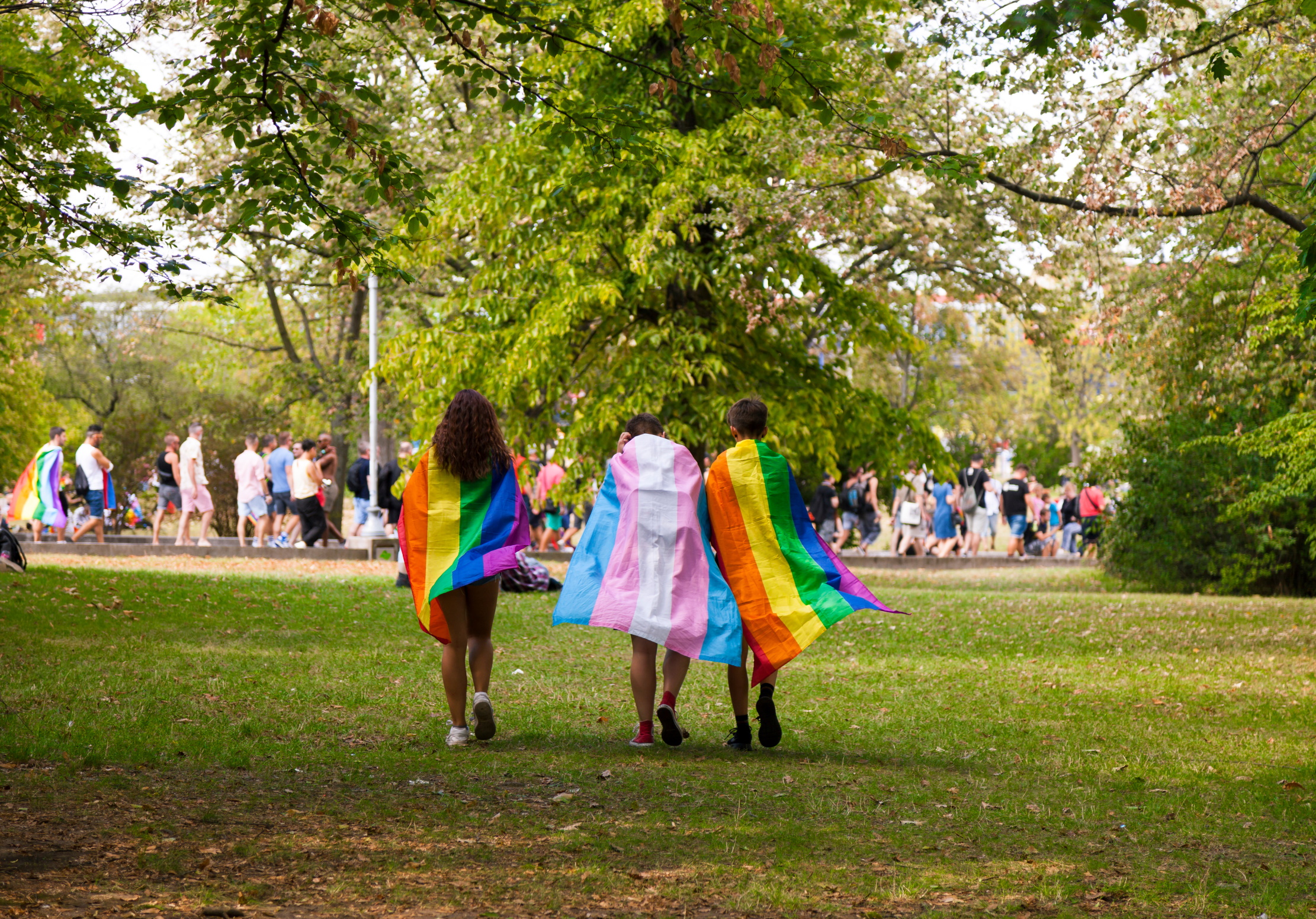
Dr. Genny Beemyn – Dr. Abbie Goldberg | Beyond the Binary: A New Generation’s Approach to Gender
In the Autumn of 2022, hopeful college students across the United States clicked through the questions on the Common Application, the digital gateway to more than one thousand colleges and universities. For the first time, alongside their grades, essays, and extracurricular lists, applicants had the chance to provide their gender and pronouns. These questions might seem a small detail, tucked between test scores and teacher recommendations, but their impact is enormous. They mark a turning point in higher education, one where students are able to represent themselves more authentically. Thanks to the work of Dr. Genny Beemyn of the University of Massachusetts Amherst and Dr. Abbie Goldberg of Clark University, we now have the first large-scale glimpse into how a new generation of young people is reshaping society’s understanding of gender.

Tanja Oschatz | Factors that Sustain the Gendered Pleasure Gap: Gendered Media Representations of Sexual Pleasure and Women’s Performance of Sexual Emotional Labor
Despite decades of awareness about gender equality, a persistent pleasure gap remains between women and men in sexual encounters, with women experiencing significantly fewer orgasms and less sexual pleasure. It is important to note that this gender difference exists primarily in contexts where women have sex with men, while women who have sex with women tend to experience more orgasms and sexual pleasure. Since the gendered pleasure gap cannot be explained by biological factors, researchers continue investigating hidden sociocultural forces that perpetuate this inequality. Two complementary studies from Tanja Oschatz at Johannes Gutenberg University and her colleagues reveal previously overlooked contributors to this gap: women’s performance of sexual emotional labor in intimate relationships and biased media representations of sexual pleasure.