
by Iliyah Maddox | Sep 29, 2025 | arts and humanities, social and behavioural sciences
Despite decades of awareness about gender equality, a persistent pleasure gap remains between women and men in sexual encounters, with women experiencing significantly fewer orgasms and less sexual pleasure. It is important to note that this gender difference exists primarily in contexts where women have sex with men, while women who have sex with women tend to experience more orgasms and sexual pleasure. Since the gendered pleasure gap cannot be explained by biological factors, researchers continue investigating hidden sociocultural forces that perpetuate this inequality. Two complementary studies from Tanja Oschatz at Johannes Gutenberg University and her colleagues reveal previously overlooked contributors to this gap: women’s performance of sexual emotional labor in intimate relationships and biased media representations of sexual pleasure.

by Iliyah Maddox | Sep 26, 2025 | arts and humanities, social and behavioural sciences
Research from communication scholars at The Ohio State University reveals fascinating new insights about the dynamics of conversations about race-related issues in the USA. Two complementary studies show that White participants expected more negative outcomes and were more likely to avoid conversations with fellow White people from different political parties than with Black people from different parties. The findings challenge assumptions about racial identity and suggest that partisan divisions have become more influential than racial divisions in shaping willingness to engage in difficult conversations.

by Iliyah Maddox | Aug 26, 2025 | arts and humanities, business and economy
Research from Professor Juliane Reinecke at the University of Oxford and Professor Jimmy Donaghey at the University of South Australia reveals how strategic ambiguity in international agreements can paradoxically strengthen rather than weaken collective action. Their eight-year study of the Bangladesh Accord for Fire and Building Safety demonstrates how deliberately vague language that initially enables difficult negotiations can evolve into robust, expanding commitments that exceed original expectations.
by Iliyah Maddox | Aug 22, 2025 | arts and humanities, business and economy, earth and environment
Research from Dr. Bernhard Reinsberg at the University of Glasgow and Dr. Christoph Valentin Steinert at the University of Zurich reveals how France’s groundbreaking mandatory due diligence law defied business predictions of economic harm. Through analysis of 11,504 French companies over fifteen years, their study demonstrates that requiring firms to monitor human rights and environmental standards in their supply chains had no significant impact on profitability. Their findings challenge widespread industry claims that such regulations threaten competitiveness and provide crucial evidence for policymakers considering similar legislation worldwide.

by Iliyah Maddox | Aug 20, 2025 | arts and humanities
In the 18th century, Scottish philosopher David Hume posed a confounding question about the nature of the scientific method. By questioning the logic behind making predictions based on past observations, he exposed a fundamental problem that has vexed logicians to this day. But now, through a new analysis, philosophers Prof. Gerhard Schurz and Dr. Paul Thorn at Heinrich Heine University Düsseldorf offer a fresh perspective – one that could finally help us escape Hume’s logical trap, through a concept known as regret-based meta-induction.
by Iliyah Maddox | Aug 1, 2025 | arts and humanities
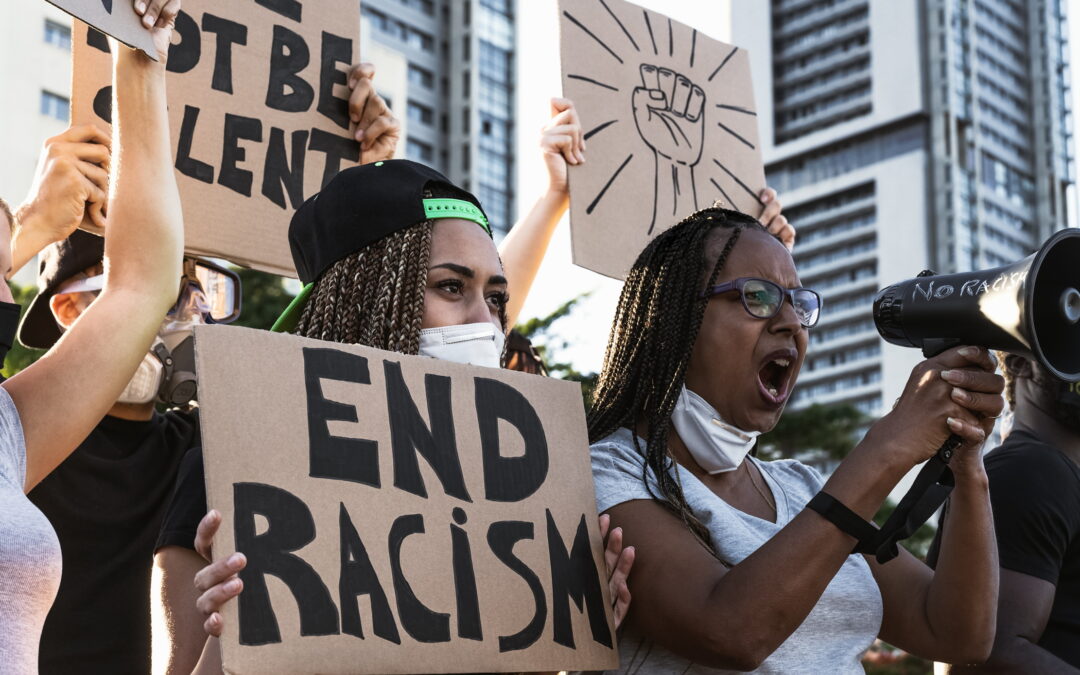
Communication research from Texas Christian University reveals how the killing of Atatiana Jefferson in Fort Worth exposed fundamental failures in how cities listen to Black residents. Through in-depth interviews and a national survey, Dr. Ashley English, Dr. Jacqueline Lambiase and Dr. Julie O’Neil demonstrate that meaningful organizational listening requires not just hearing community voices, but implementing changes based on their input. Their findings show that without authentic engagement and accountability, municipal listening processes perpetuate rather than disrupt systemic racism.