
Dr Tai-Cheng Chen – Investigating Thermal Spraying Methods for Preventing Maritime Corrosion
Original Article Reference
This SciPod is a summary of the paper ‘A comparative study on the tribological behavior of various thermally sprayed Inconel 625 coatings in a saline solution and deionized water’ from Surface and Coatings Technology. doi.org/10.1016/j.surfcoat.2020.125442
About this episode
Every year, the combined effects of corrosion and wear cause a huge amount of damage to coastal and offshore machinery, incurring huge costs for repair and maintenance. While there are various types of coating that offer protection from wear and corrosion, the way in which that they are applied can massively impact their effectiveness. Dr Tai-Cheng Chen and his team at the Institute of Nuclear Energy Research, Taiwan, have been analysing these methods, in order to determine the best way to protect maritime infrastructure.
This work is licensed under a Creative Commons Attribution 4.0 International License. 
What does this mean?
Share: You can copy and redistribute the material in any medium or format
Adapt: You can change, and build upon the material for any purpose, even commercially.
Credit: You must give appropriate credit, provide a link to the license, and indicate if changes were made.
More episodes
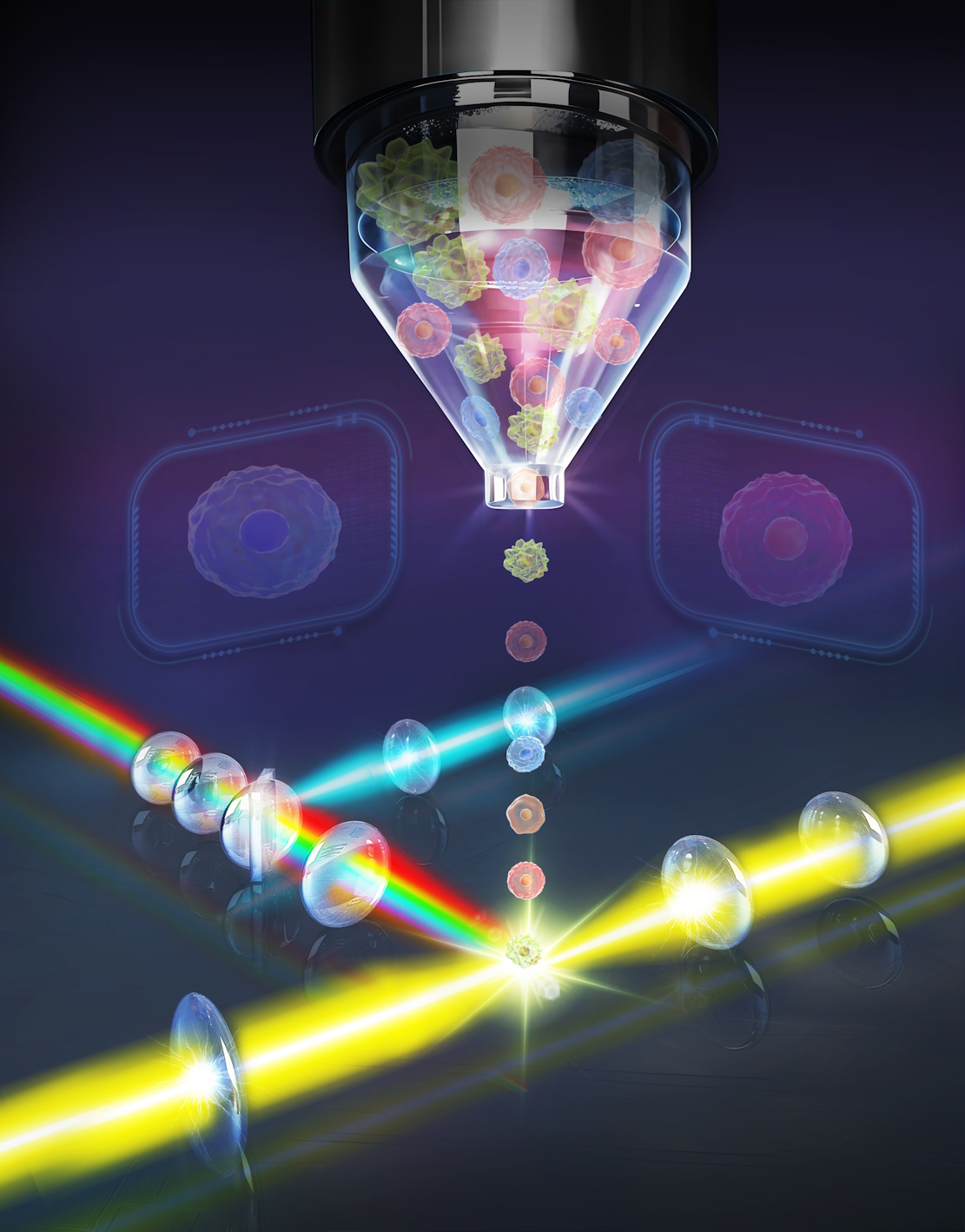
Dr. Xinyu Chen | The Cell Detectives: How Lasers and Artificial Intelligence Are Transforming Biology
Imagine searching for one unusual face in a stadium packed with thousands of people. Now imagine that every person is moving, the faces are nearly invisible, and you have only a fraction of a second to decide whom to stop. This is remarkably close to the challenge scientists face when they try to identify a particular cell among millions. Yet finding the right cells can help researchers understand disease, investigate immune responses, and discover biological differences that would otherwise remain hidden.

Prof. Elizabeth Regan | The Healthcare Revolution That Technology Alone Cannot Deliver
Imagine a patient with several health problems moving through a modern medical system. She may see a family doctor, a specialist, a hospital team, a pharmacist and perhaps a community service. Each professional may be highly skilled. Each organisation may own sophisticated software. Yet the patient can still find herself repeating the same story, carrying information between appointments, waiting for records to arrive and trying to understand who is responsible for what. The individual parts work well, but the journey doesn’t.
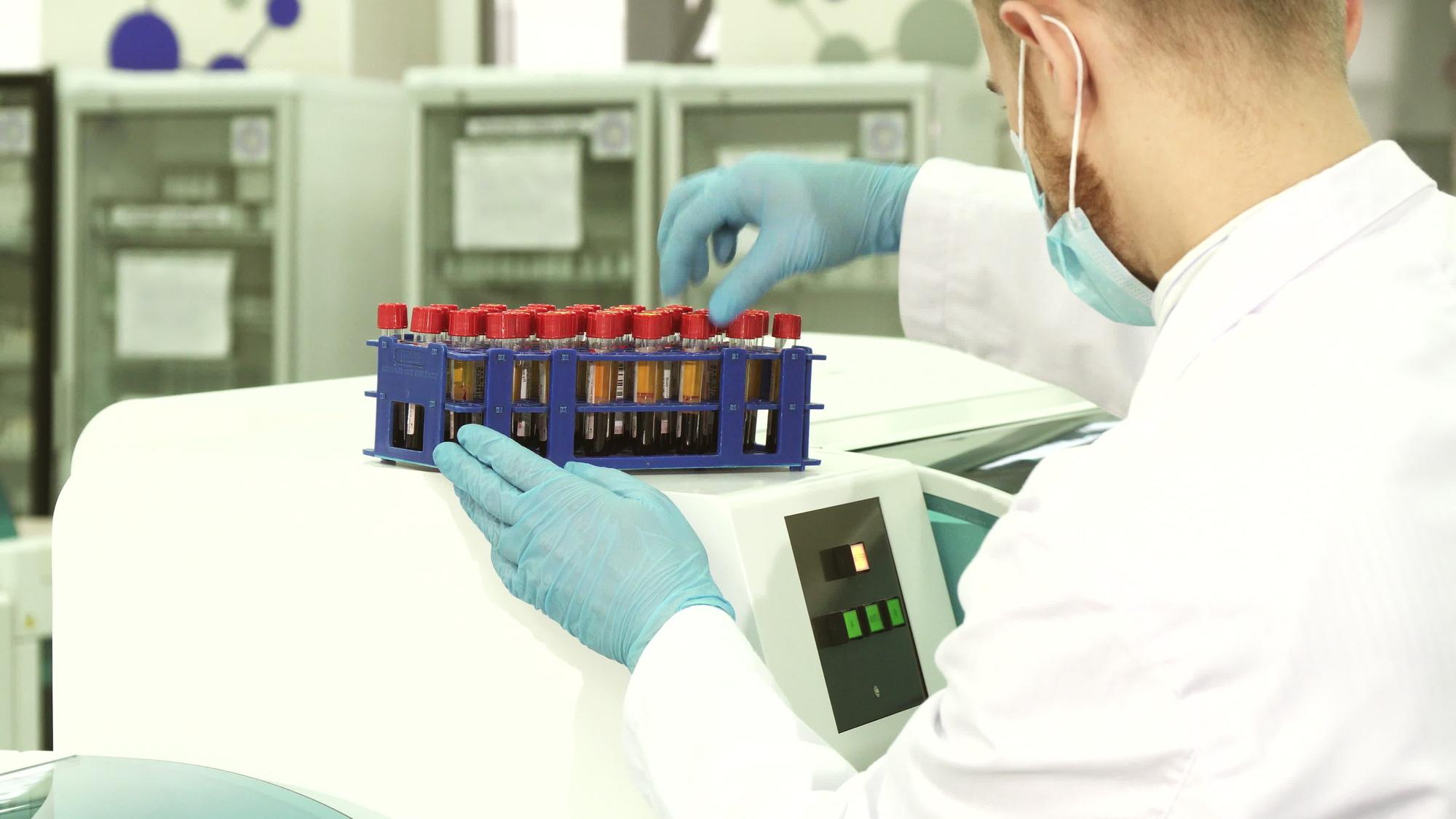
Dr. Pranoot Tanpaiboon | Behind Every Reliable Result: Reinventing Quality Control in the Clinical Laboratory
In a clinical laboratory, a number on a screen can shape a life. A test result may help diagnose a rare metabolic disorder, guide treatment, or reassure a family that a feared condition is absent. Before that number reaches a doctor, however, the laboratory has to answer a quieter question: can we trust it? That question is the purpose of quality control, or QC. Laboratories repeatedly test samples with known properties and examine whether their instruments are producing results that remain accurate and precise. When something begins to drift, QC can reveal the problem before unreliable patient results are released. The principle sounds straightforward. In biochemical genetics laboratories, however, the reality is anything but simple.

Dr. Yi Ding | When AI Polishes Our Words, Does It Polish Away Our Feelings?
Every day, millions of people turn to artificial intelligence for help finding the right words. A rough email can become smoother, while a quick product review becomes polished and articulate with a minimum of effort. The changes can seem harmless, and often appear very helpful in clarifying our intended message. But what if polishing our language also quietly changes the emotional signals we had originally intended to convey?
Increase the impact of your research
• Good science communication helps people make informed decisions and motivates them to take appropriate and affirmative action.
• Good science communication encourages everyday people to be scientifically literate so that they can analyse the integrity and legitimacy of information.
• Good science communication encourages people into STEM-related fields of study and employment.
• Good public science communication fosters a community around research that includes both members of the public, policymakers and scientists.
• In a recent survey, 75% of people suggested they would prefer to listen to an interesting story than read it.
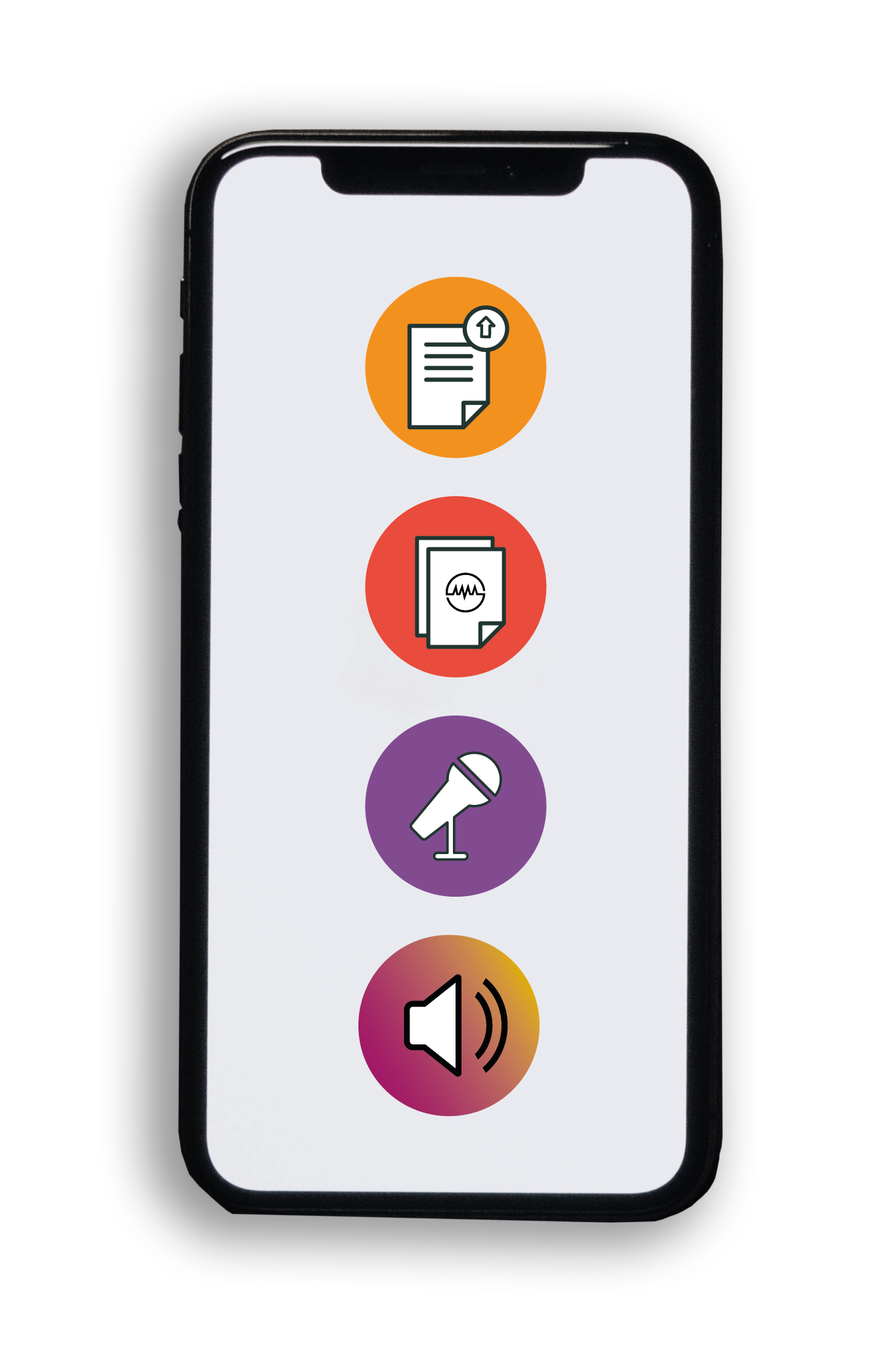
Step 1 Upload your science paper
Step 2 SciPod script written
Step 3 Voice audio recorded
Step 4 SciPod published