
Humanitarian Engineering Training Engineers To Best Serve Communities – Colorado School Of Mines
Original Article Reference
This SciPod is a summary of the paper:
https://doi.org/10.33548/SCIENTIA584
Share Episode

About this episode
Engineering is one of the most impactful and transformative fields of teaching, research, and practice, as it shapes the world we live in and ensures the functioning of many systems that maintain human life. The Colorado School of Mines created the first Humanitarian Engineering (HE) program to train engineering students to devise solutions that are efficient, ethical, socially responsible and sustainable. Its students work closely with the communities they serve, thinking critically about their needs.
This work is licensed under a Creative Commons Attribution 4.0 International License. 
What does this mean?
Share: You can copy and redistribute the material in any medium or format
Adapt: You can change, and build upon the material for any purpose, even commercially.
Credit: You must give appropriate credit, provide a link to the license, and indicate if changes were made.
More episodes
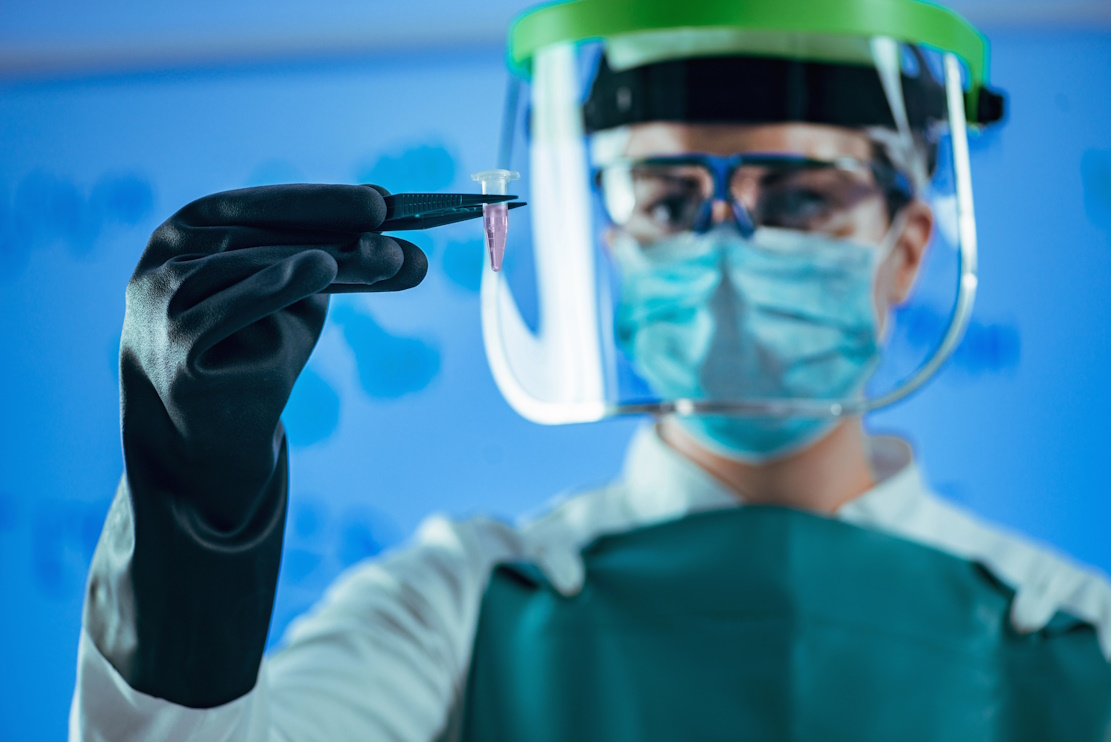
Dr. Fay Betsou | The Hidden Life of a Biospecimen: Why Better Medical Research Begins Before the Laboratory Assay
To most of us, a vial of blood looks like a simple container of biological truth, a snapshot of what was happening inside a person at the moment the needle entered their arm. Scientists can measure its proteins, read genetic material, hunt for signs of disease, and feed the resulting data into increasingly powerful analytical systems. Yet that vial has a history. How long did it sit before processing? At what temperature? What kind of tube held it? Was it spun, transported, frozen, thawed, or stored? Each step may quietly change what researchers later believe they are seeing.
Prof. Shan Lu | Inducing Polyfunctional Antibodies: A Promising Chapter in the Long Search for an HIV Vaccine
For more than four decades, HIV has challenged some of the brightest scientific minds in the world. Tremendous progress has transformed HIV from what was once almost always a fatal infection into a condition that can often be managed with modern medicines. Preventive treatments have also become increasingly effective. Yet millions of people continue to become infected every year, particularly in regions where access to healthcare remains limited. A safe, effective preventive HIV vaccine remains one of the greatest goals in global medicine because it has the potential to provide large-scale, long-lasting prevention for large numbers of high-risk populations.

Dr Marie McGregor | Why Gifted Students Need More Than Ability to Thrive in Science
Walk into any classroom, and some students immediately attract attention. They ask thoughtful questions, solve complex problems quickly and display an enthusiasm that inspires those around them. Some may describe these students as gifted. However, others with equally advanced potential may be less visible: they may sit quietly, avoid drawing attention to themselves, rarely volunteer answers or appear disengaged. As a result, their abilities may go unnoticed. While ability and achievement are important, they do not tell the whole story and do not guarantee confidence, resilience, or lasting motivation.
Prof. Jean-Sébastien Delisle – Dr Mélanie Dieudé | The Medicine Is Ready. Is the Health System?
A medical breakthrough is only truly a breakthrough if it can reach the person who needs it. That simple idea sits at the heart of a rapidly growing challenge in cell therapy, gene therapy and regenerative medicine. These treatments are beginning to change what doctors can offer people with serious cancers, rare genetic conditions and other diseases once considered extraordinarily difficult to treat. Some therapies can reprogram a patient’s own cells to attack cancer. Others aim to repair or replace faulty biological instructions. Their promise can sound futuristic, yet the central problem is increasingly practical: how do we turn remarkable science into care that is affordable, timely and available to everyone who could benefit?
Increase the impact of your research
• Good science communication helps people make informed decisions and motivates them to take appropriate and affirmative action.
• Good science communication encourages everyday people to be scientifically literate so that they can analyse the integrity and legitimacy of information.
• Good science communication encourages people into STEM-related fields of study and employment.
• Good public science communication fosters a community around research that includes both members of the public, policymakers and scientists.
• In a recent survey, 75% of people suggested they would prefer to listen to an interesting story than read it.
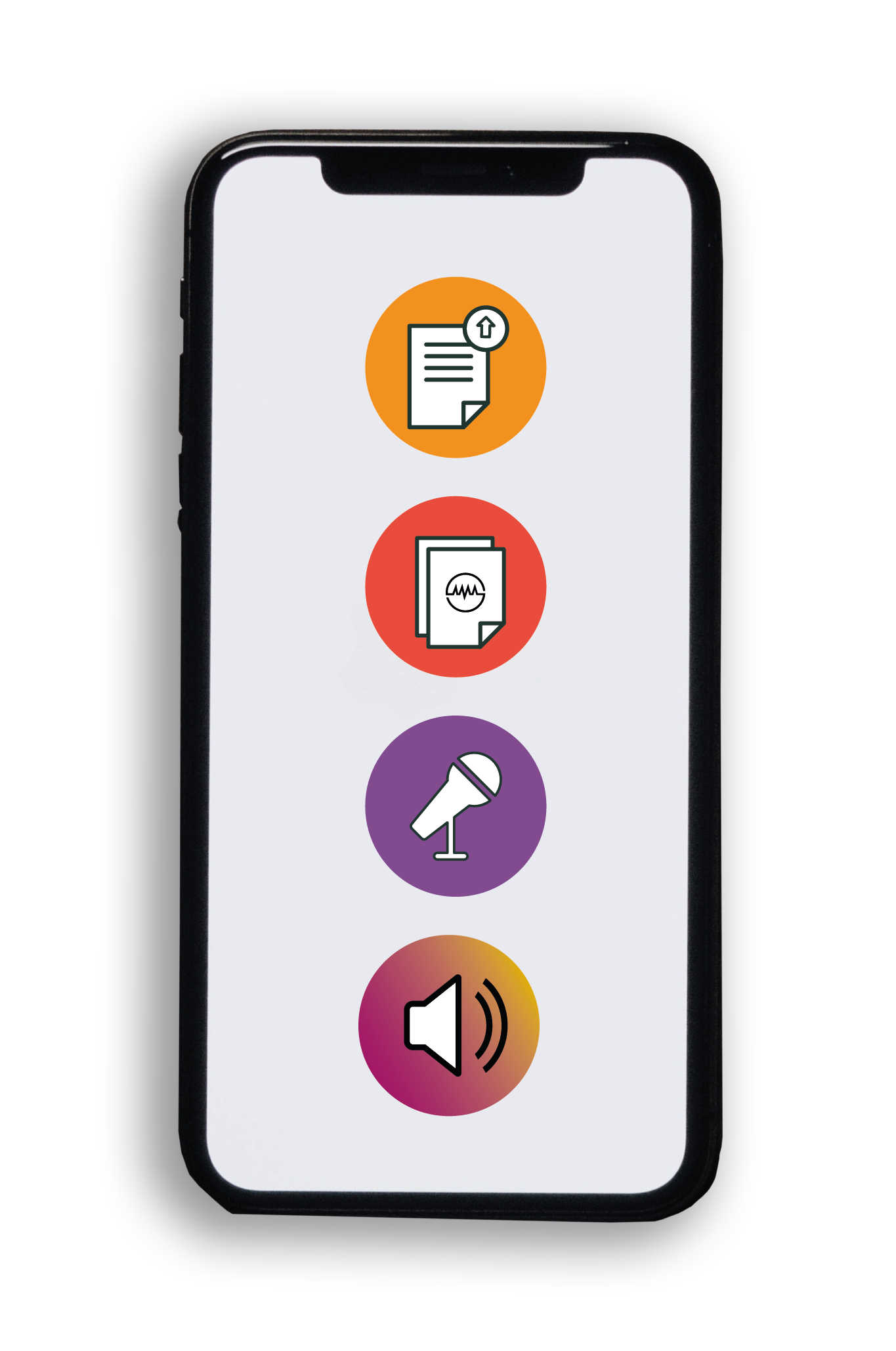
Step 1 Upload your science paper
Step 2 SciPod script written
Step 3 Voice audio recorded
Step 4 SciPod published