Sugar Monoesters as Absorption Enhancers for Orally-Delivered Large Pharmaceuticals – Professor David J. Brayden, University College Dublin
Original Article Reference
This SciPod is a summary of the paper ‘Permeability-enhancing effects of three laurate-disaccharide monoesters across isolated rat intestinal mucosae’, published with Open Access for readers in the International Journal of Pharmaceutics. https://doi.org/10.1016/j.ijpharm.2021.120593
Share Episode

About this episode
The lining of the gut acts naturally as a protective barrier to harmful or oversized materials. Many orally-administered drugs consisting of macromolecules or peptides are difficult to deliver because of their poor permeability across the intestine resulting in failure to reach the bloodstream. Patient preference would be to take these types of medicines orally rather than the currently available delivery route of injections. Professor David J. Brayden, at University College Dublin, is dedicated to enhancing the oral delivery of peptides and other macromolecules. His team and collaborators are conducting cutting edge research on the effects of specific sugar-based monoesters as intestinal permeation enhancers.
This work is licensed under a Creative Commons Attribution 4.0 International License. 
What does this mean?
Share: You can copy and redistribute the material in any medium or format
Adapt: You can change, and build upon the material for any purpose, even commercially.
Credit: You must give appropriate credit, provide a link to the license, and indicate if changes were made.
More episodes

Prof. Alex Vitkin | Seeing the Invisible: How Polarized Light Contributes to Our Understanding and Detection of Cancer
Light is something we encounter every day, so familiar that it rarely inspires a second thought. Yet beneath its apparent simplicity lies a remarkable complexity. Light can carry information in its brightness and color, but also in its polarization and phase, subtle properties that describe how its waves oscillate and interact. For decades, these hidden dimensions of light have remained largely untapped in medicine. Now, a growing body of research is beginning to reveal their extraordinary potential.

Dr. Cini Bhanu | When Standing Up Knocks You Down: Why Postural Hypotension Goes Unnoticed
Imagine standing up from a chair and feeling a sudden wave of dizziness, as though the floor beneath you has shifted. For many older adults, this is more than just an occasional inconvenience, it’s a recurring problem linked to a condition called postural hypotension. Despite being relatively common, postural hypotension is surprisingly overlooked. It affects between 20-30% of older adults living in the community, yet is officially recorded in only about 1% of patients’ medical records in general practice. That gap is vast, and it carries real consequences: increased risks of falls, strokes, heart problems, and reduced quality of life.
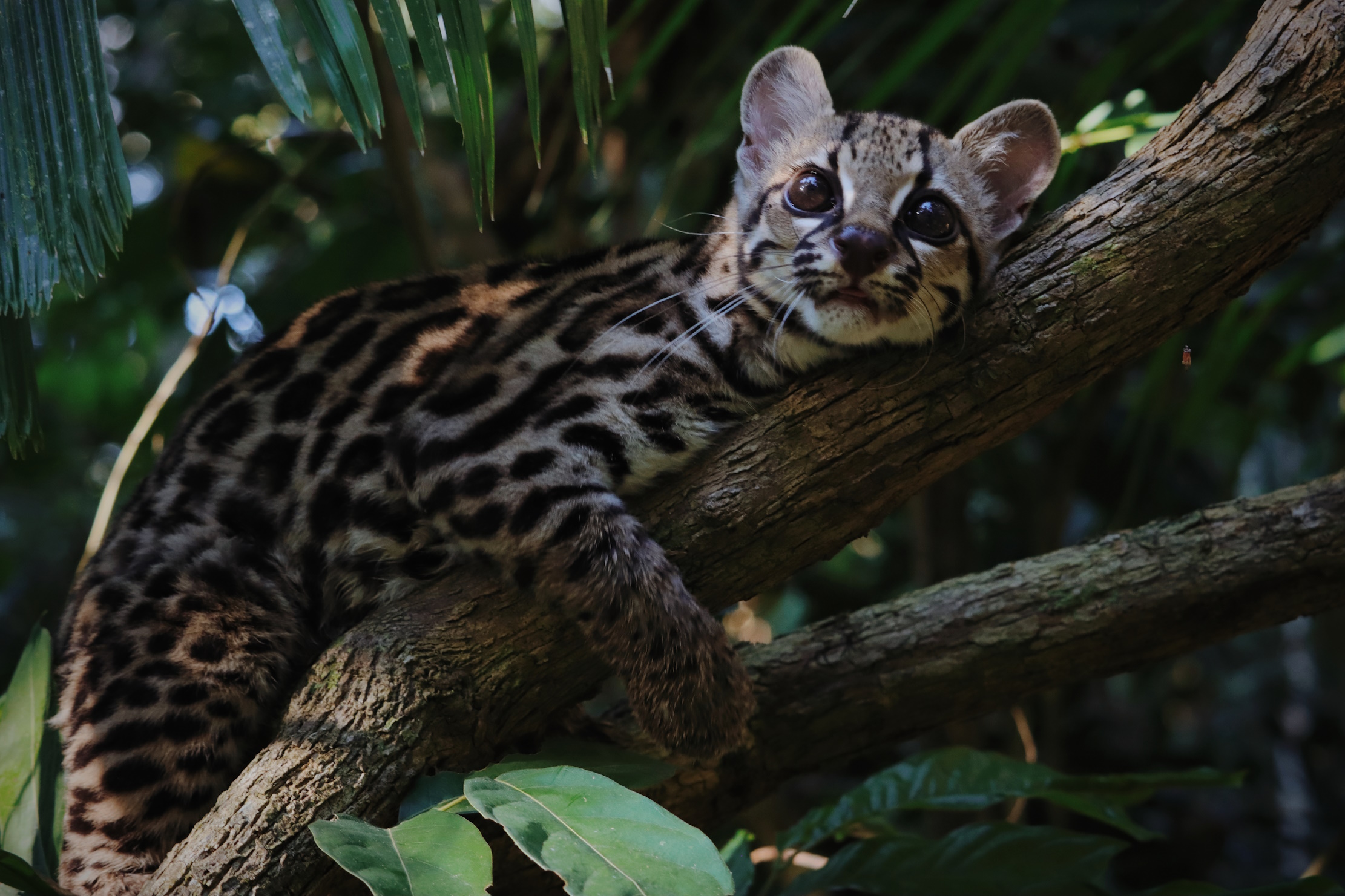
Dr. Samantha Zwicker | The Secret Life of the Margay in Peru’s Rainforest
Deep in the Amazon rainforest of southeastern Peru, one of the world’s most elusive wild cats slips silently through the trees. Smaller than a jaguar and far less famous than a tiger, the margay is a master of the canopy, moving through tangled branches with extraordinary agility. For decades, scientists have struggled to understand this mysterious feline because it is rarely seen, mostly active at night, and equally comfortable on the ground and high above it. Now, a new study conducted by Dr. Samantha Zwicker of Hoja Nueva, a conservation nonprofit rooted in Madre de Dios, Peru, and colleagues, is shedding light on the hidden world of the margay in the Madre de Dios region of Peru. By combining ground cameras with lower-canopy cameras placed at natural margay choke points, the team captured both sides of cats moving up and down trees – a practical, lower-cost alternative to labor-intensive upper-canopy surveys.
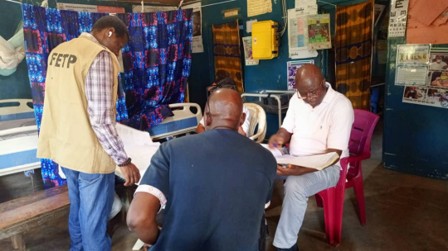
Dr. Gebrekrstos Negash Gebru | On the Front Lines of a Pandemic: Sierra Leone’s Field Epidemiology Training Program Success Story
In early 2020, as headlines around the world warned of a fast-spreading new virus, Sierra Leone watched with a mixture of concern and determination. The country had not forgotten the devastating Ebola outbreak of 2014 to 2015, which had exposed painful weaknesses in disease detection, surveillance, and emergency response. That experience left deep scars, but it also sparked reform. When COVID-19 began its global sweep, Sierra Leone faced the crisis with a stronger foundation than many might have expected.
Increase the impact of your research
• Good science communication helps people make informed decisions and motivates them to take appropriate and affirmative action.
• Good science communication encourages everyday people to be scientifically literate so that they can analyse the integrity and legitimacy of information.
• Good science communication encourages people into STEM-related fields of study and employment.
• Good public science communication fosters a community around research that includes both members of the public, policymakers and scientists.
• In a recent survey, 75% of people suggested they would prefer to listen to an interesting story than read it.
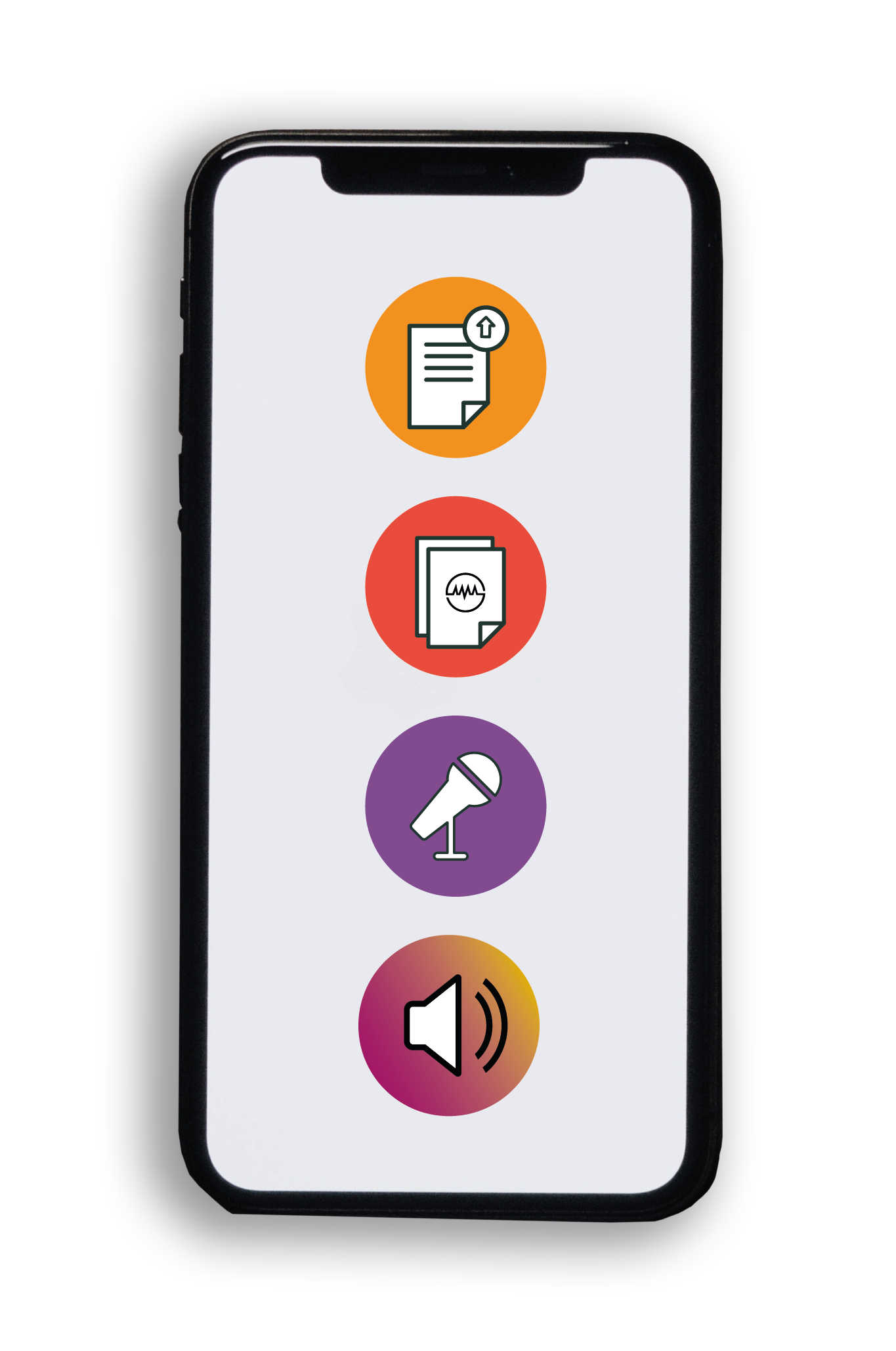
Step 1 Upload your science paper
Step 2 SciPod script written
Step 3 Voice audio recorded
Step 4 SciPod published