
by Iliyah Maddox | Jul 10, 2026 | biology, health and medicine, social and behavioural sciences
For centuries, sleep has remained one of humanity’s greatest biological mysteries. We spend roughly a third of our lives doing it, yet scientists are still trying to fully understand why the brain insists upon sleep. It seems clear that sleep restores the body, sharpens memory, regulates emotions, and keeps countless internal systems in balance. But one major problem has always complicated sleep research: most experiments focus on what happens when sleep is taken away. That approach has taught researchers a great deal. Sleep deprivation has been linked to poor concentration, weakened immune function, emotional instability, and a long list of health problems. Yet asking what happens when sleep is removed only tells part of the story. It is a little like studying hunger by starving people without ever exploring what happens when they are exceptionally well fed.
by Iliyah Maddox | Jun 1, 2026 | earth and environment, health and medicine, social and behavioural sciences
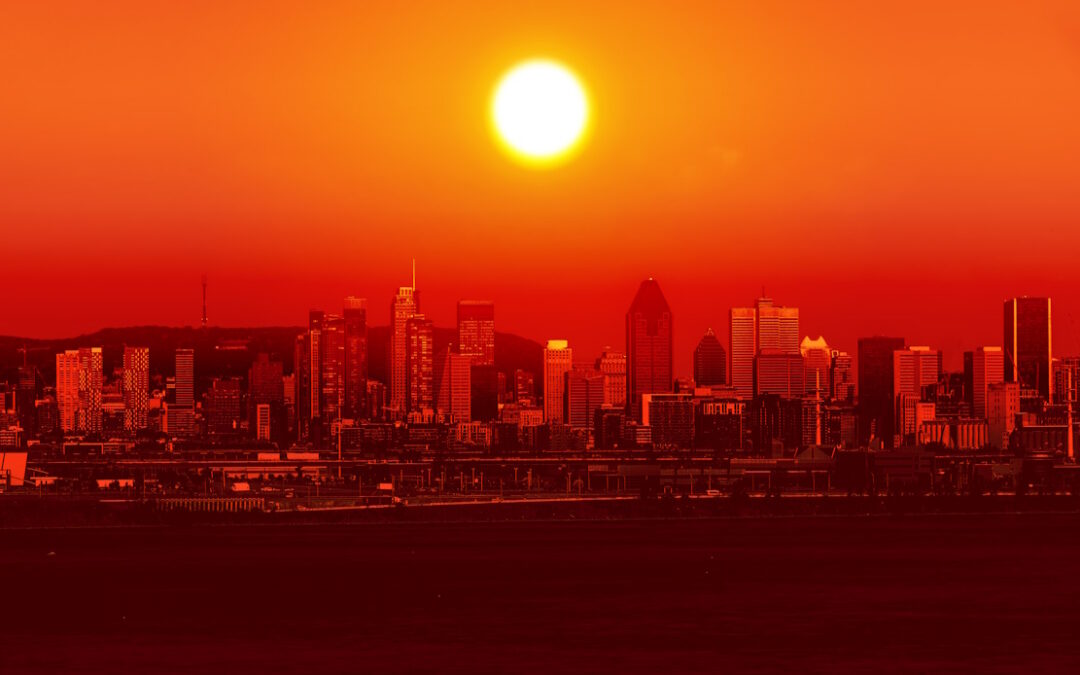
Lors d’une journée d’été étouffante, la plupart d’entre nous remarquent les effets évidents de la chaleur. Nous nous sentons plus lents, plus irritables et impatients d’échapper au soleil. Ce qui est moins visible, c’est la manière dont ces mêmes conditions modifient discrètement notre comportement au volant. Une étude récente dirigée par le professeur José Ignacio Nazif-Muñoz de l’Université de Sherbrooke, en collaboration avec le professeur Jose Guillermo Cedeño Laurent de l’Université Rutgers, explore ce lien caché, révélant comment les vagues de chaleur et les modèles thermiques urbains influencent la sécurité routière dans cinq villes du Québec. Les résultats rappellent opportunément que le changement climatique n’est pas seulement un enjeu environnemental, mais aussi une question de sécurité publique qui touche la vie quotidienne de manière inattendue.
by Iliyah Maddox | May 19, 2026 | education & training, health and medicine, social and behavioural sciences
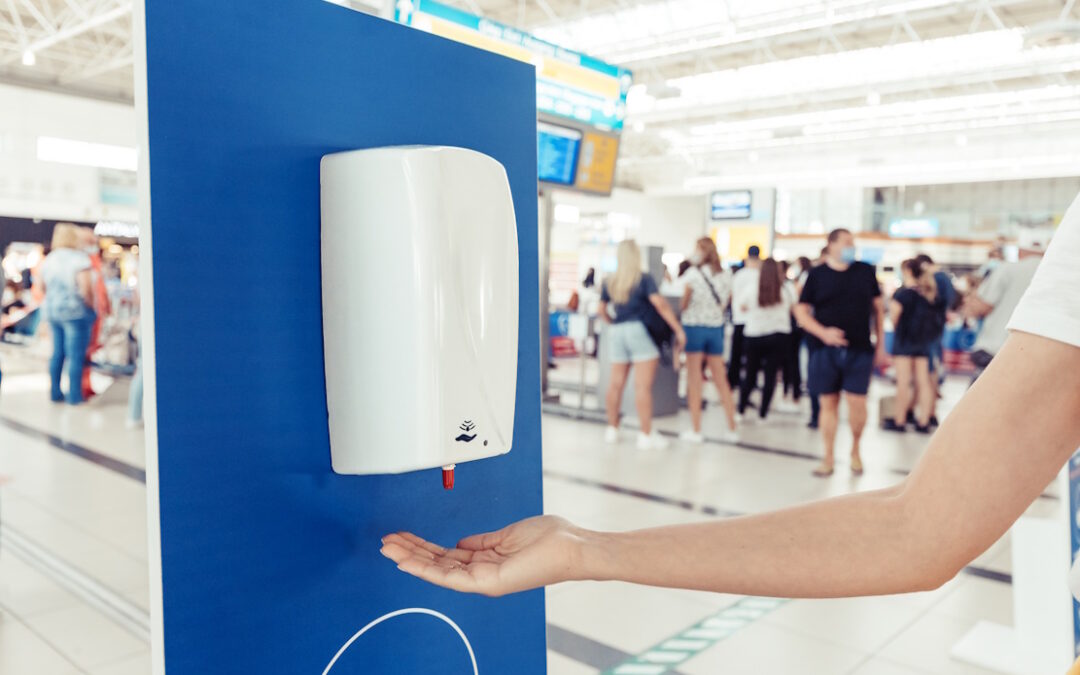
When most people think of scientific research, they may imagine test tubes, lab coats, and microscopes. However, many impactful experiments happen not in laboratories, but in office buildings, student unions, and even on social media. In two fascinating studies co-authored by Professor Theodore Allen of The Ohio State University, researchers show how the same rigorous logic that drives cutting-edge chemistry or physics can be applied to practical, everyday challenges, such as where to place a hand sanitizer dispenser or how to convince someone to get vaccinated. The studies, though different in their subjects, share a common theme that data and careful experimental design can make the world cleaner, healthier, and more humane.
by Iliyah Maddox | May 7, 2026 | arts and humanities, social and behavioural sciences
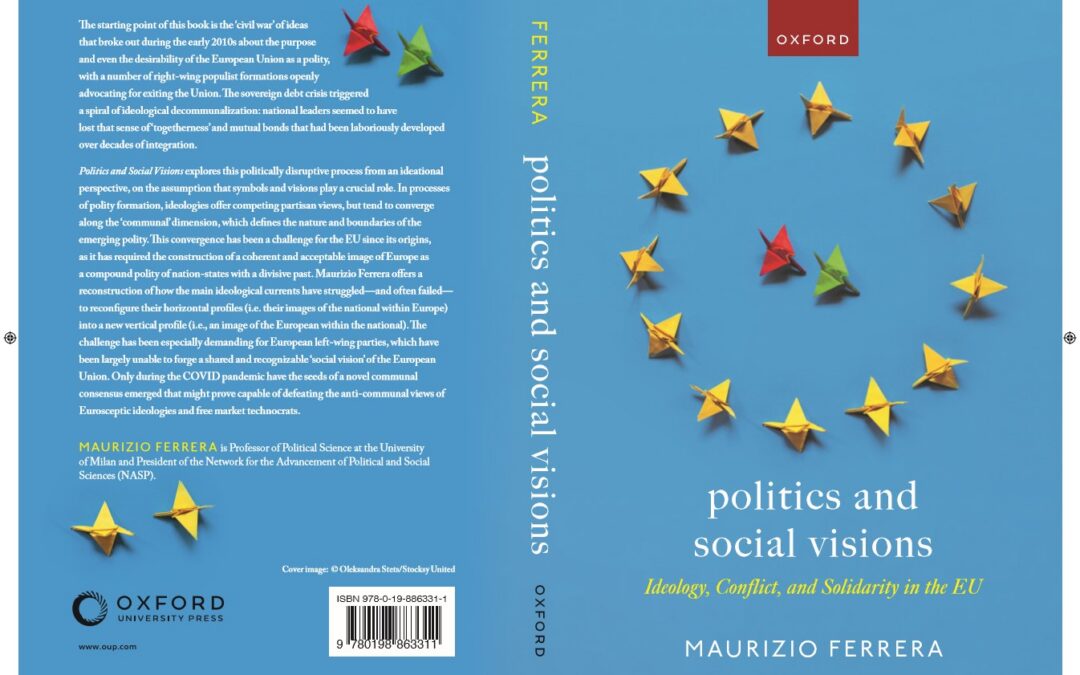
In moments of uncertainty, societies are compelled to imagine what comes next. The future becomes a contested space, shaped not only by policies and institutions but also by competing visions of what a good society should look like. In his book, Politics and Social Visions, Prof. Maurizio Ferrera of the University of Milan explores this dynamic with clarity and depth, arguing that Europe’s trajectory cannot be understood without paying close attention to the power of ideas. His work reminds us that political life is not merely about solving problems, but also about imagining possibilities.

by Iliyah Maddox | May 6, 2026 | arts and humanities, social and behavioural sciences
In an age where a single post can spark a national debate, the question of who gets to speak and who is heard has taken on new urgency. In her book, Dissenting Counter-Publics in Pakistani Social Media and Café Culture, Dr. Munira Cheema of King’s College London invites readers into a complex and evolving landscape where voices once pushed to the margins are finding new ways to emerge. Drawing from both digital platforms and physical gathering spaces, her work reveals how ordinary citizens are reshaping conversations about identity, power, and belonging in Pakistan.
by Iliyah Maddox | May 5, 2026 | arts and humanities, social and behavioural sciences
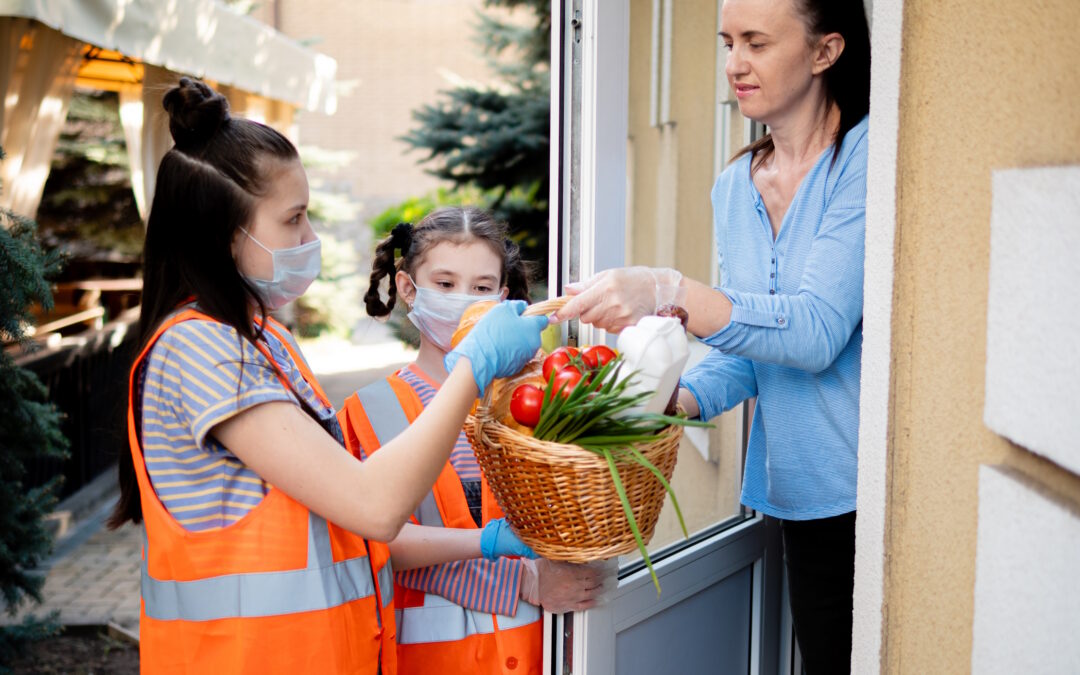
In the early months of the COVID-19 pandemic, a familiar narrative took hold across the world. Children, it was often said, were among the most vulnerable. Their schools closed, their routines vanished, and their social worlds shrank overnight. Yet beneath this narrative, another quieter story unfolded, one that challenges how we think about children in times of crisis. Instead of remaining passive recipients of care, many young people stepped forward as helpers, problem-solvers, and advocates for others at risk of the deadly virus.
Page 2 of 26«12345...1020...»Last »