
Saving Tropical Forests Through International Research Collaboration -Dr Peter Beck and Dr Michael Wasserman
Original Article Reference
This SciPod is a summary of the paper:
Share Episode

About this episode
Tropical forests are some of the most biodiverse ecosystems on the planet, but extensive deforestation has pushed many species to the brink of extinction. Conservation efforts have been limited by political and socioeconomic backgrounds of each region. By integrating ecological and social research techniques, Dr Peter Beck at St Edward’s University, Dr Michael Wasserman of Indiana University and their colleagues examine the effectiveness of tropical forest conservation strategies and the factors that encourage people to conserve their forests. Their extensive project also provides international research experience to STEM students from underrepresented backgrounds, and helps foster scientific and cultural exchange between countries.
This work is licensed under a Creative Commons Attribution 4.0 International License. 
What does this mean?
Share: You can copy and redistribute the material in any medium or format
Adapt: You can change, and build upon the material for any purpose, even commercially.
Credit: You must give appropriate credit, provide a link to the license, and indicate if changes were made.
Related episodes
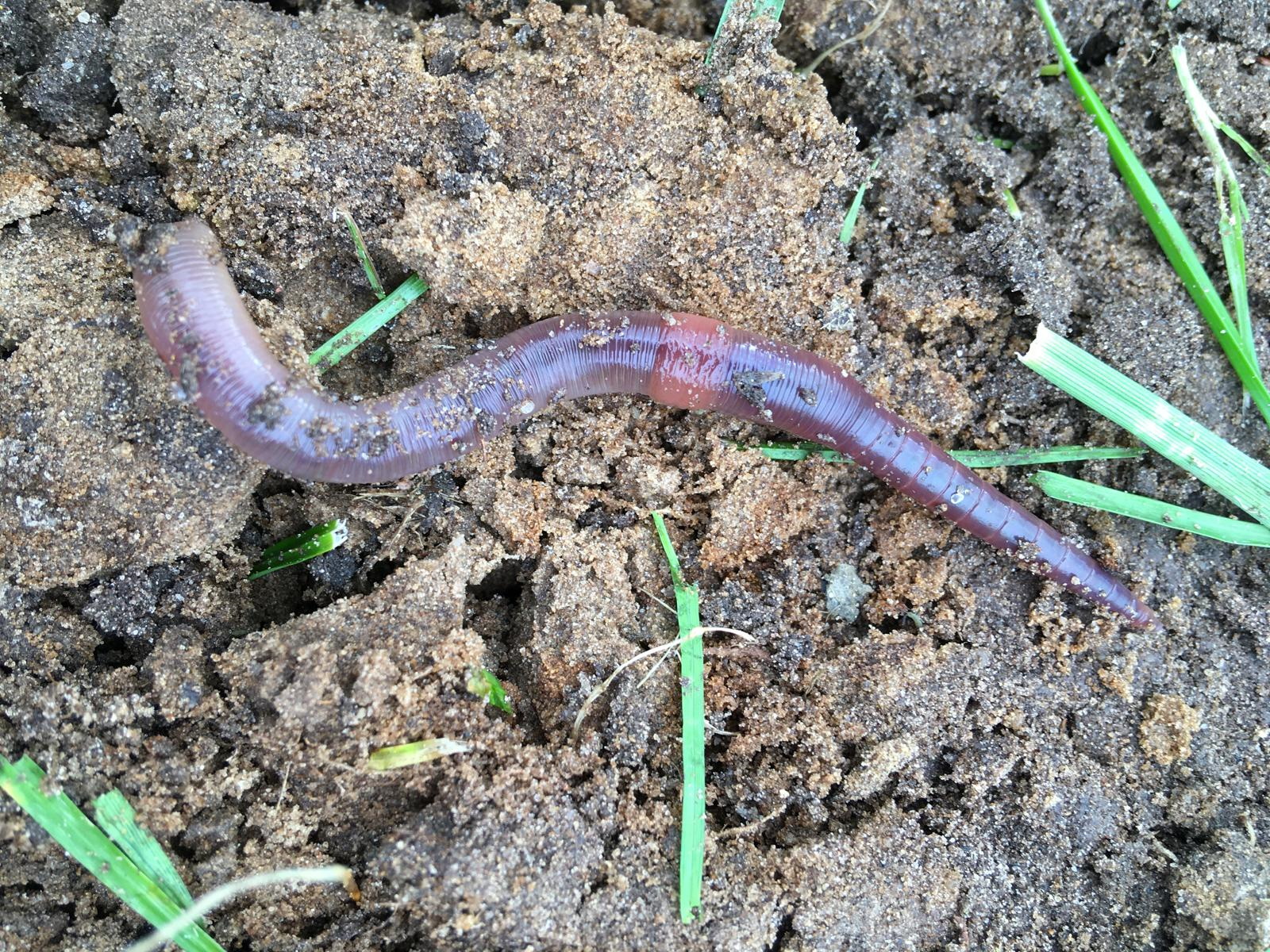
Roos van de Logt | Hidden Engineers: How Earthworms Could Help Us Weather a Changing Climate
If you were to observe a quiet Dutch pasture, you might not guess that one of the most important climate-resilience workers in the landscape is silently engineering the soil beneath the grass. However, just below your feet, an unassuming creature plays a role in buffering floods, preserving crops during droughts, and quietly maintaining the natural plumbing system of the land. This creature is the humble deep-burrowing earthworm, Lumbricus terrestris (or L. terrestris for short). In recent years, researcher Roos van de Logt of the Louis Bolk Institute, and colleagues, have been uncovering the surprisingly complex story of this earthworm. Their findings suggest that supporting, and in some cases reintroducing, L. terrestris could be a powerful, nature-based tool for helping European grasslands adapt to intensifying climate extremes.
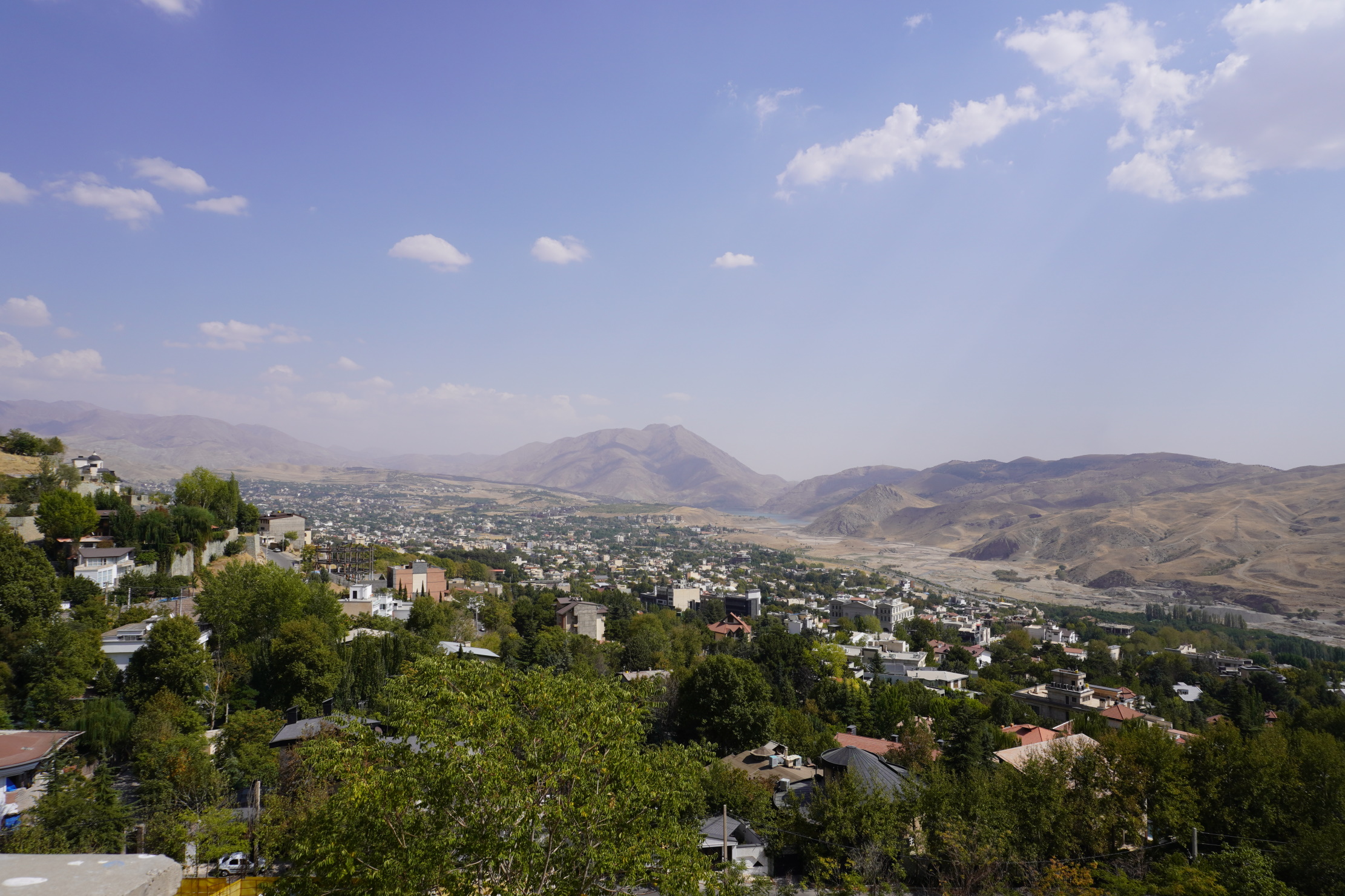
Prof. Satoshi Abe | The Unexpected Symbols Driving Iran’s Environmental Movement
If you walk through the bustling streets of Tehran, you might first notice the traffic, the densely packed apartments, or young people weaving through the city on motorbikes. But if you look a little closer, you may notice banners stretching across overpasses, tiny flags lining the perimeters of parks, or posters taped to walls, and you might just begin to sense something else humming quietly in the background: a story about nature, identity, and the nation itself. According to Prof. Satoshi Abe of Tottori University, Japan, who has researched environmental activism in Iran, the country is experiencing not just an environmental crisis, but an environmental reimagining. Iranians are not simply debating water shortages, air pollution, or endangered species, though they are certainly doing that. They are also wrestling with questions about what “nature” means within the story of Iran.
Professor Keith Solomon – Dr. Gladys Stephenson | The Weight of Evidence: Brought Clarity to the Buzz About Pesticides and Pollinators
Modern environmental science faces a curious paradox. We have more data than ever, but less certainty. For scientists, policymakers, and the public alike, the sheer volume of studies, each with its own assumptions, experimental conditions, and interpretations, can be overwhelming. Which studies are trustworthy? Which deserve more weight when making decisions about environmental safety? This question has haunted environmental toxicologists who were trying to determine whether pesticides were harming pollinators such as honeybees. Some studies could show significant impacts while others may show minimal effects. Such inconsistencies can fuel the debate over insecticides like neonicotinoids and lead to public confusion. To address this, Professor Keith Solomon, an environmental toxicologist at the University of Guelph, and colleagues set out to bring structure and clarity to the field. Their goal was not to silence debate, but to create a rigorous, transparent, and quantitative framework for evaluating scientific evidence. The result was a methodology called the Quantitative Weight of Evidence, or QWoE.

Dr. Ossénatou Mamadou | Understanding turbulence in the lower atmosphere above West Africa
West Africa’s climate is constantly being shaped by interactions between the ground and the lower atmosphere, where instabilities can give rise to unpredictable turbulence. Guided by extensive weather observations, a team led by Dr. Ossénatou Mamadou at the University of Abomey-Calavi, Benin, has gained important insights into when and how these instabilities occur, and how well they can be predicted by existing theories. Their findings could help climatologists improve weather forecasts in the region and better understand how West Africa might respond to a changing climate.
Increase the impact of your research
• Good science communication helps people make informed decisions and motivates them to take appropriate and affirmative action.
• Good science communication encourages everyday people to be scientifically literate so that they can analyse the integrity and legitimacy of information.
• Good science communication encourages people into STEM-related fields of study and employment.
• Good public science communication fosters a community around research that includes both members of the public, policymakers and scientists.
• In a recent survey, 75% of people suggested they would prefer to listen to an interesting story than read it.

Step 1 Upload your science paper
Step 2 SciPod script written
Step 3 Voice audio recorded
Step 4 SciPod published