
Saving Primates We Need to Act Before It’s Too Late – Drs Alejandro Estrada and Paul A Garber
Original article reference:
‘Impending extinction crisis of the world’s primates: Why primates matter’, from Science Advances
https://doi.org/10.1126/sciadv.1600946
Share Episode

About this episode
This work is licensed under a Creative Commons Attribution 4.0 International License. 
What does this mean?
Share: You can copy and redistribute the material in any medium
or format
Adapt: You can change, and build upon the material for any
purpose, even commercially.
Credit: You must give appropriate credit, provide a link to the
license, and indicate if changes were made.
Related episodes

Dr. Clayton Raines | From Alewives to Bass: Discovering the Viruses Lurking in North America’s Fish
In rivers and lakes across North America, fish carry secrets invisible to the naked eye, secrets that researchers with the U.S. Geological Survey’s Eastern Ecological Science Center are determined to help uncover. With a passion for aquatic health and an interest in viral sleuthing, these researchers, including Dr. Clayton Raines, a fish biologist, have conducted groundbreaking research that is reshaping our understanding of fish disease. From uncovering a new virus in alewives to decoding the mystery behind the blotchy skin of black basses, this work not only expands the frontiers of fish virology but also reveals the hidden complexities of ecosystems. Here, we explore Raines’ and colleagues’ fascinating findings and their implications for fish management, conservation, and the health of freshwater species.

Prof. Debra Zoran | After the Storm: Protecting Companion Animals in Crisis
When disaster strikes, the images that dominate news coverage are almost always human centered. We see flooded neighborhoods, collapsed buildings, families waiting in shelters, and exhausted first responders. Yet woven into nearly every one of those scenes is another presence, often trembling at the end of a leash or peering out from a carrier. Companion animals are not an afterthought in modern life. They are family members, sources of emotional stability, and in some cases essential partners such as service dogs. As natural and human-made disasters grow in frequency and severity, the question of how to protect people inevitably includes the question of how to protect their animals.
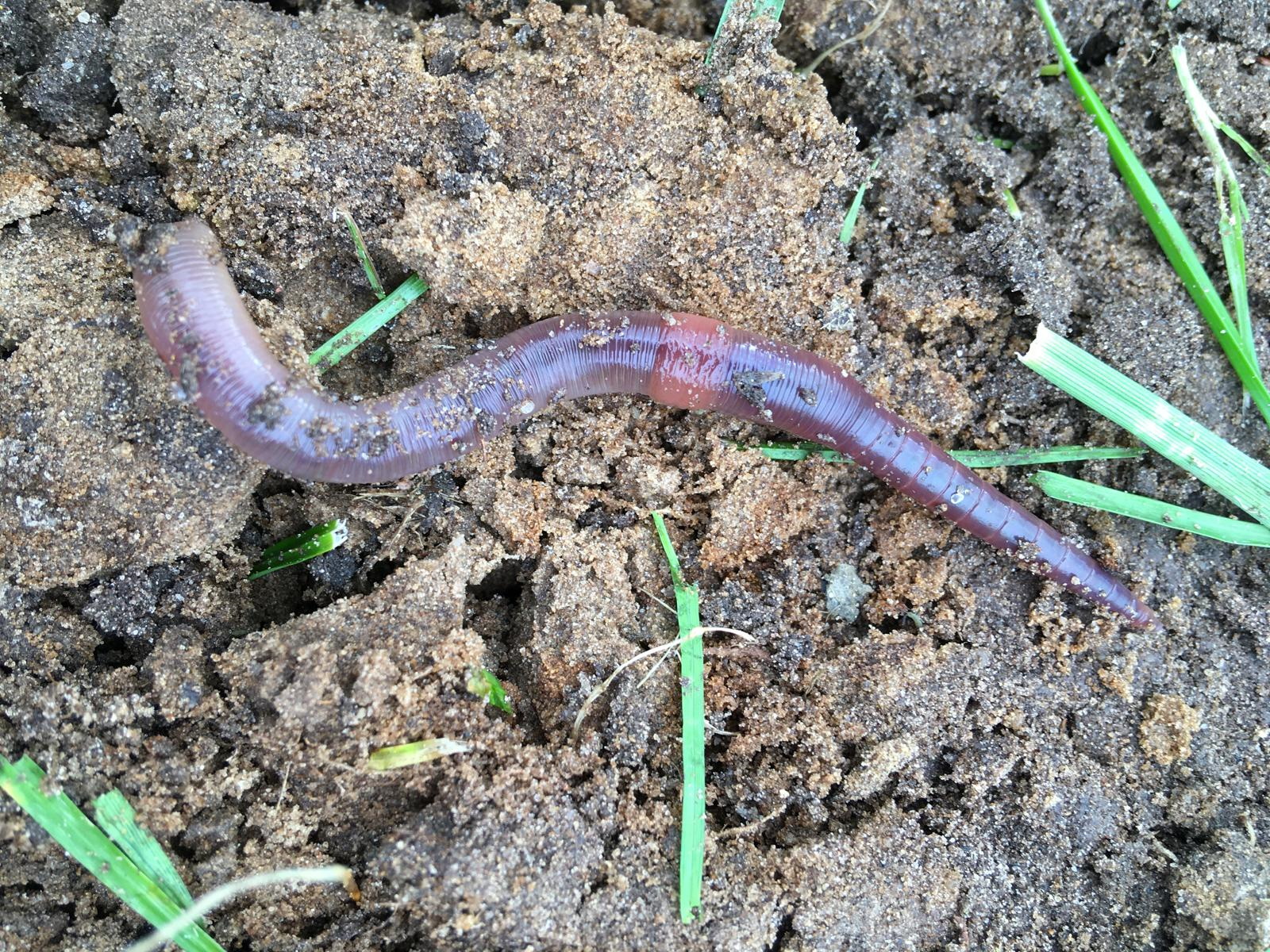
Roos van de Logt | Hidden Engineers: How Earthworms Could Help Us Weather a Changing Climate
If you were to observe a quiet Dutch pasture, you might not guess that one of the most important climate-resilience workers in the landscape is silently engineering the soil beneath the grass. However, just below your feet, an unassuming creature plays a role in buffering floods, preserving crops during droughts, and quietly maintaining the natural plumbing system of the land. This creature is the humble deep-burrowing earthworm, Lumbricus terrestris (or L. terrestris for short). In recent years, researcher Roos van de Logt of the Louis Bolk Institute, and colleagues, have been uncovering the surprisingly complex story of this earthworm. Their findings suggest that supporting, and in some cases reintroducing, L. terrestris could be a powerful, nature-based tool for helping European grasslands adapt to intensifying climate extremes.
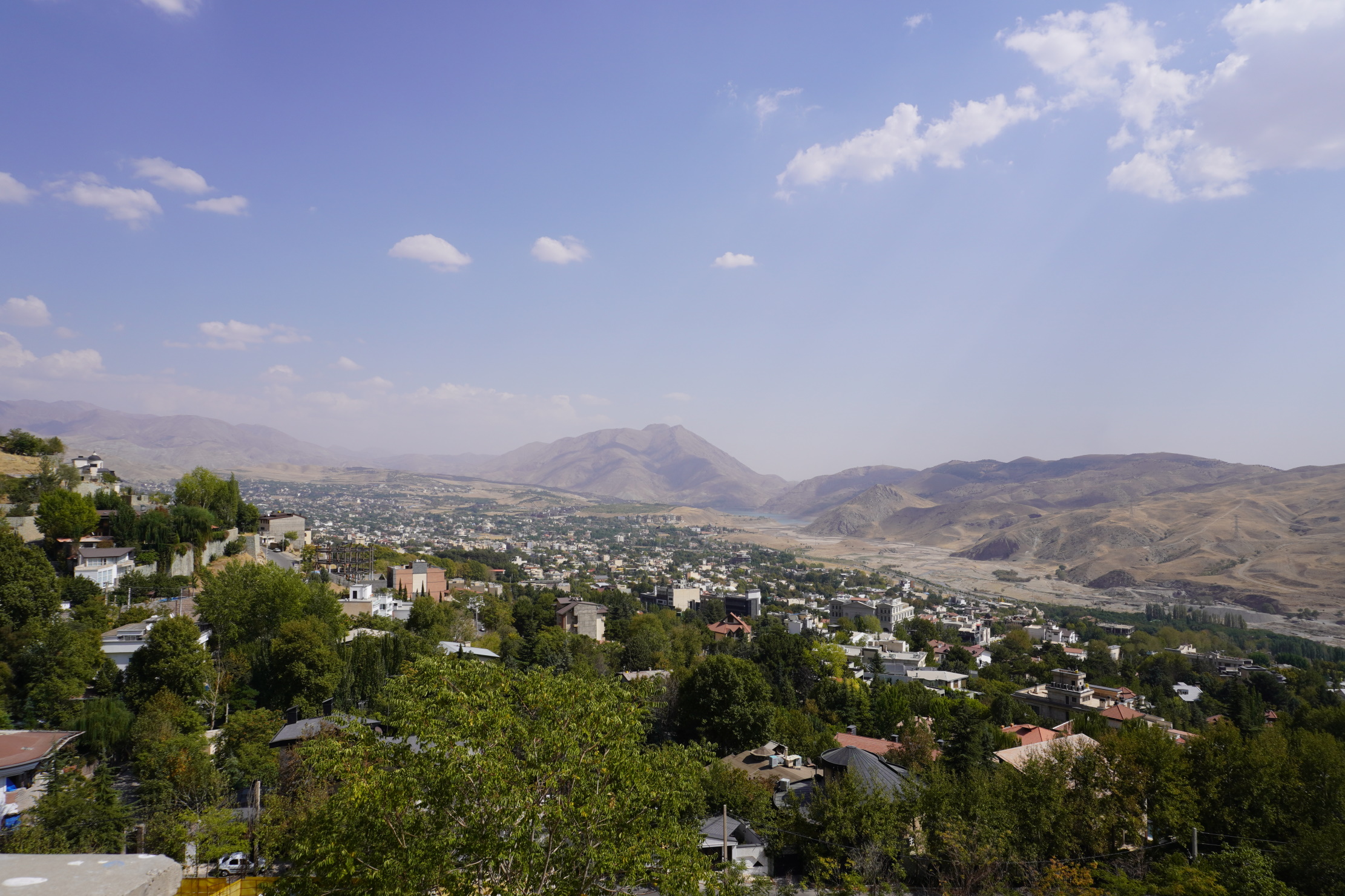
Prof. Satoshi Abe | The Unexpected Symbols Driving Iran’s Environmental Movement
If you walk through the bustling streets of Tehran, you might first notice the traffic, the densely packed apartments, or young people weaving through the city on motorbikes. But if you look a little closer, you may notice banners stretching across overpasses, tiny flags lining the perimeters of parks, or posters taped to walls, and you might just begin to sense something else humming quietly in the background: a story about nature, identity, and the nation itself. According to Prof. Satoshi Abe of Tottori University, Japan, who has researched environmental activism in Iran, the country is experiencing not just an environmental crisis, but an environmental reimagining. Iranians are not simply debating water shortages, air pollution, or endangered species, though they are certainly doing that. They are also wrestling with questions about what “nature” means within the story of Iran.
Increase the impact of your research
• Good science communication encourages everyday people to be scientifically literate so that they can analyse the integrity and legitimacy of information.
• Good science communication encourages people into STEM-related fields of study and employment.
• Good public science communication fosters a community around research that includes both members of the public, policymakers and scientists.
• In a recent survey, 75% of people suggested they would prefer to listen to an interesting story than read it.

Upload your science paper
Step 2
SciPod script written
Step 3
Voice audio recorded
Step 4
SciPod published