Revitalising Attention on the Global Asbestos Disaster – Dr Jukka Takala, et al.
Original Article Reference
This SciPod is a summary of the paper ‘Global Asbestos Disaster’, from the International Journal of Environmental Research and Public Health. https://doi.org/10.3390/ijerph15051000
Share Episode

About this episode
In developed countries, we are broadly aware of the dangers of asbestos and the risks it poses if discovered in our living or working environments. It may be shocking to learn that asbestos still causes an estimated 255,000 deaths annually worldwide, with the vast majority – 89% – from work-related exposure. Although asbestos is banned in 55 countries, it is still widely used in the developing world, and over two million tonnes are consumed annually, leading to what Dr Jukka Takala, President of the International Commission of Occupational Health, and an international team of authors describe as a global asbestos disaster.
This work is licensed under a Creative Commons Attribution 4.0 International License. 
What does this mean?
Share: You can copy and redistribute the material in any medium or format
Adapt: You can change, and build upon the material for any purpose, even commercially.
Credit: You must give appropriate credit, provide a link to the license, and indicate if changes were made.
Related episodes

Easing the Hardest Moment: How Brain Stimulation Is Transforming Care for People with Opioid Use Disorder
In the world of opioid addiction treatment, the hardest moment often arrives precisely when hope begins to emerge. It is the moment someone chooses to stop using opioids. That decision, courageous and life-changing, almost immediately collides with one of the most punishing physiologic syndromes known in medicine: opioid withdrawal. Withdrawal brings waves of nausea, sweats, shaking, cramps, insomnia, anxiety, and extremely intense cravings. For countless individuals, this moment is a seemingly inescapable stumbling block that can be the undoing of their recovery. They want to stop, they mean to stop, but withdrawal can become an insurmountable barrier.

Dr. Rasha Bayoumi | Decolonizing Global Collaboration: Building Equitable Science Diplomacy
Science diplomacy, meaning the use of scientific collaboration to strengthen international relations and address shared global challenges, has long been hailed as a force for good. Yet, as Dr. Rasha Bayoumi of the University of Birmingham Dubai and her colleagues argue in their Editorial for a special issue in the journal Frontiers in Public Health, this optimism often masks uncomfortable realities. The practice of science diplomacy has too often reproduced the very inequalities it aims to dismantle, operating within frameworks that privilege powerful nations and institutions while marginalizing voices from the Global South.

Lighting the Path: How the GlioLighT Consortium Is Exploring New Ways to Treat Brain Tumours
Across the world, scientists are still trying to answer one of medicine’s most difficult questions: how can we safely and effectively treat brain cancers such as glioma? Despite decades of effort, outcomes for people diagnosed with high-grade glioma remain bleak. Current treatments, including surgery, radiotherapy, and chemotherapy, can slow the disease, but rarely stop it. The GlioLighT consortium, a multidisciplinary European research team funded by the European Innovation Council, has come together to explore a novel approach based on direct light therapy. Being in a very early stage, the project doesn’t promise an immediate cure; instead, it sets out to answer a very fundamental question: can light itself trigger biological processes that might form the basis of a safe and targeted brain tumor therapy?
Prof. Vladimir Zharov | Detecting Malaria with Light and Sound Without Blood Draw Can Transform Global Health
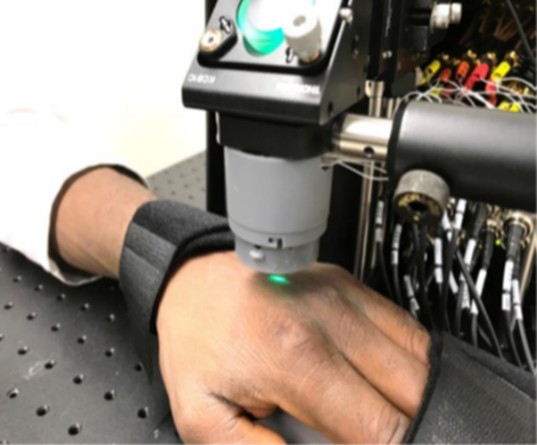
For centuries, malaria has been one of the deadliest diseases on the planet. Nearly half of the world remains at risk of malaria with more than half a million deaths each year, most of them in children. While some progress has been made in controlling malaria and developing a vaccine, this has stalled recently, with a growing number of deaths since 2019. At the heart of the challenge is the lack of non-invasive and rapid diagnostic technologies for malaria, which are urgently needed, especially in remote or low-resource areas with limited healthcare infrastructure. Happily, a new frontier in medical technology is offering hope, in the form of the Cytophone, a revolutionary device that can detect malaria through the skin without drawing a single drop of blood. This innovation, developed by a team led by Prof. Vladimir Zharov at the University of Arkansas for Medical Sciences and licensed to Cytoastra for further commercialization, represents a leap forward not just in malaria diagnostics, but in how we might monitor disease altogether.
Increase the impact of your research
• Good science communication encourages everyday people to be scientifically literate so that they can analyse the integrity and legitimacy of information.
• Good science communication encourages people into STEM-related fields of study and employment.
• Good public science communication fosters a community around research that includes both members of the public, policymakers and scientists.
• In a recent survey, 75% of people suggested they would prefer to listen to an interesting story than read it.
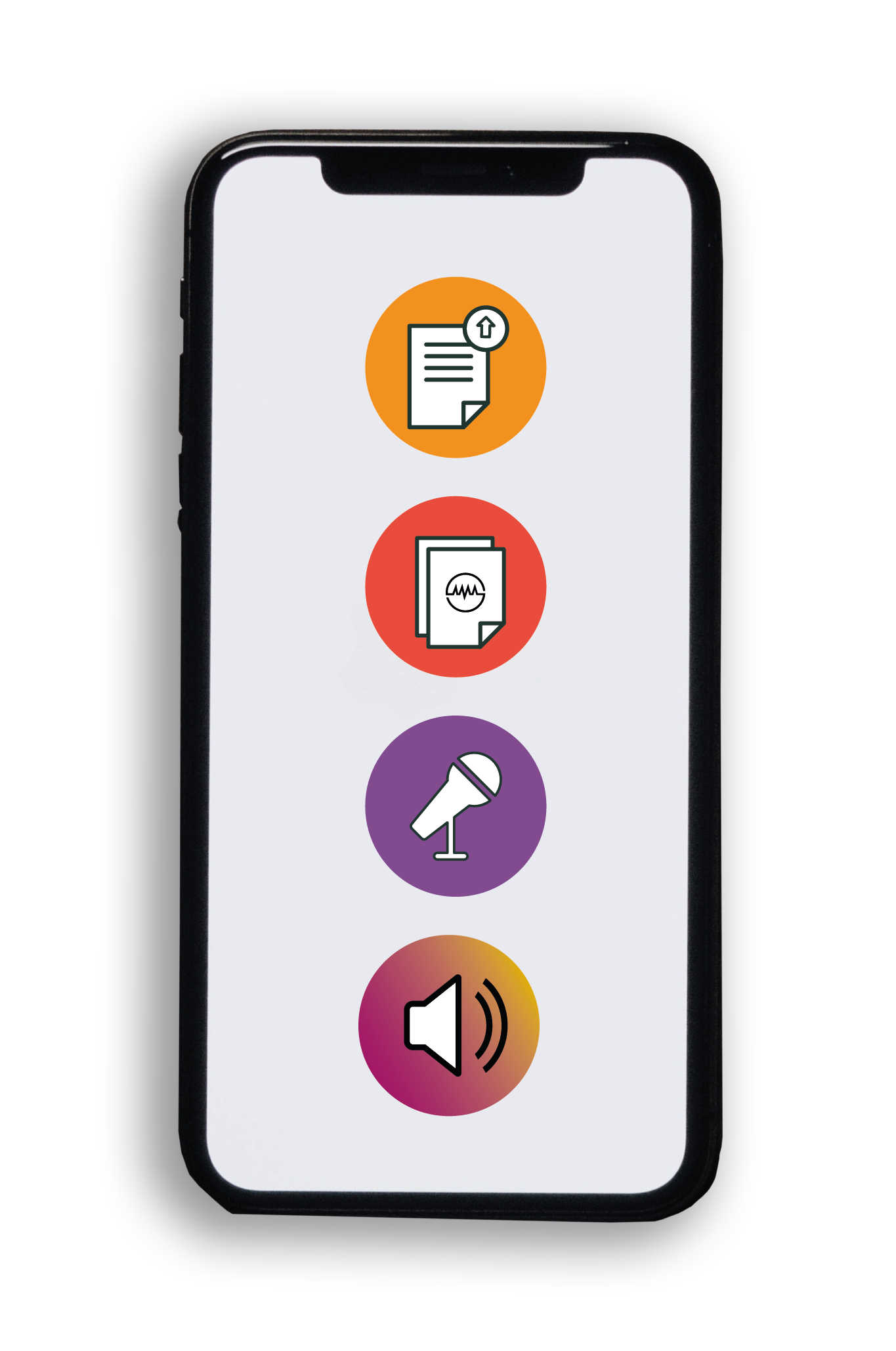
Step 1 Upload your science paper
Step 2 SciPod script written
Step 3 Voice audio recorded
Step 4 SciPod published