
Rethinking Strategies For Increasing Salmon Survival – Dr David Welch, Kintama Research Services
Original Article Reference
This SciPod is a summary of
https://doi.org/10.33548/SCIENTIA574
Share Episode

About this episode
It’s a long-held belief that a series of dams in the Snake River in Northwest USA constructed nearly 50 years ago has led to serious declines in Chinook salmon populations. However, new research by Dr David Welch and his team from Kintama Research Services Ltd shows that survival of Chinook salmon measured by a wide range of government agencies has fallen by 65% along the whole North American West Coast over this period. These results have significant implications for informing conservation strategies to protect and restore this important species.
This work is licensed under a Creative Commons Attribution 4.0 International License. 
What does this mean?
Share: You can copy and redistribute the material in any medium or format
Adapt: You can change, and build upon the material for any purpose, even commercially.
Credit: You must give appropriate credit, provide a link to the license, and indicate if changes were made.
More episodes

Dr. Manreet Bhullar | Invisible Hazards: How Water Shapes the Safety of Hydroponic Food
At first glance, hydroponic farming seems like the future made real. Rows of leafy greens grow indoors, roots suspended in carefully balanced nutrient solutions, untouched by soil and shielded from many of the uncertainties of outdoor agriculture. This method promises efficiency, precision, and sustainability. It uses far less water than traditional farming and produces food in tightly controlled environments. Yet beneath this clean and modern image lies a quieter story about risk, one that flows through the very water that sustains these crops.
Prof. Dr. Christopher Gerner | Colitis ulcerosa und die verborgene Logik chronischer Erkrankungen
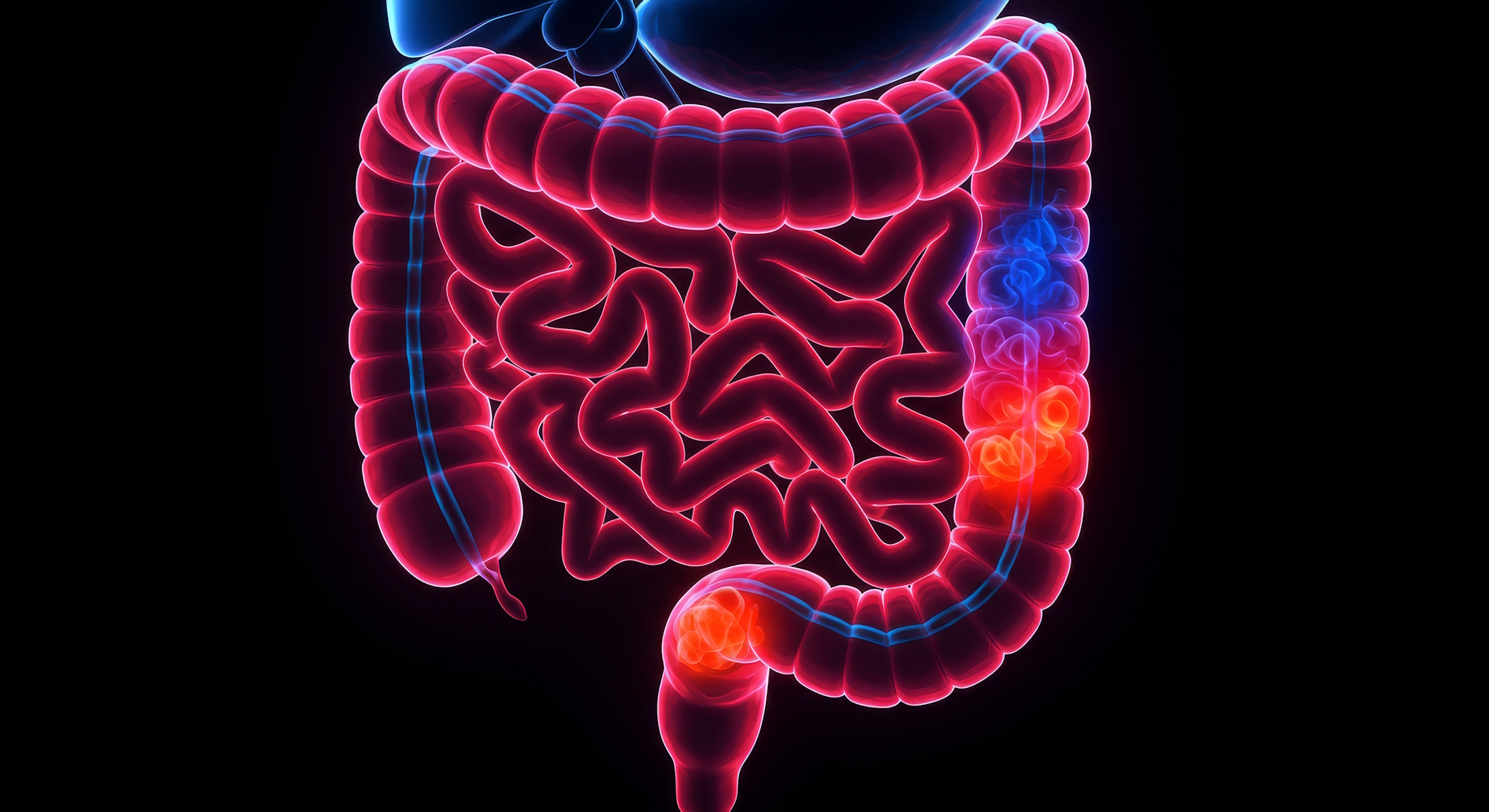
Colitis ulcerosa, oft als UC bezeichnet, ist eine chronisch-entzündliche Erkrankung des Dickdarms, die weltweit immer häufiger auftritt, auch bei Jugendlichen und jungen Erwachsenen. Für viele Patientinnen und Patienten beginnt sie mit subtilen Warnzeichen wie Bauchbeschwerden, Durchfall, Müdigkeit oder Spuren von Blut im Stuhl. Im Laufe der Zeit können sich diese Symptome zu schmerzhaften und beängstigenden Schüben entwickeln, die Ausbildung, Karriere, Familienleben und das emotionale Wohlbefinden beeinträchtigen. Obwohl die moderne Medizin bemerkenswert wirksam darin geworden ist, diese akuten Krankheitsepisoden zu kontrollieren, bleibt UC hartnäckig bestehen. Bei den meisten Betroffenen kehrt die Erkrankung nach Phasen scheinbarer Erholung zurück, manchmal ohne einen offensichtlichen äußeren Auslöser.
Prof. Jamie Rausch | The Hidden Life of Fat: How Adipose Tissue Shapes Health Across a Lifetime
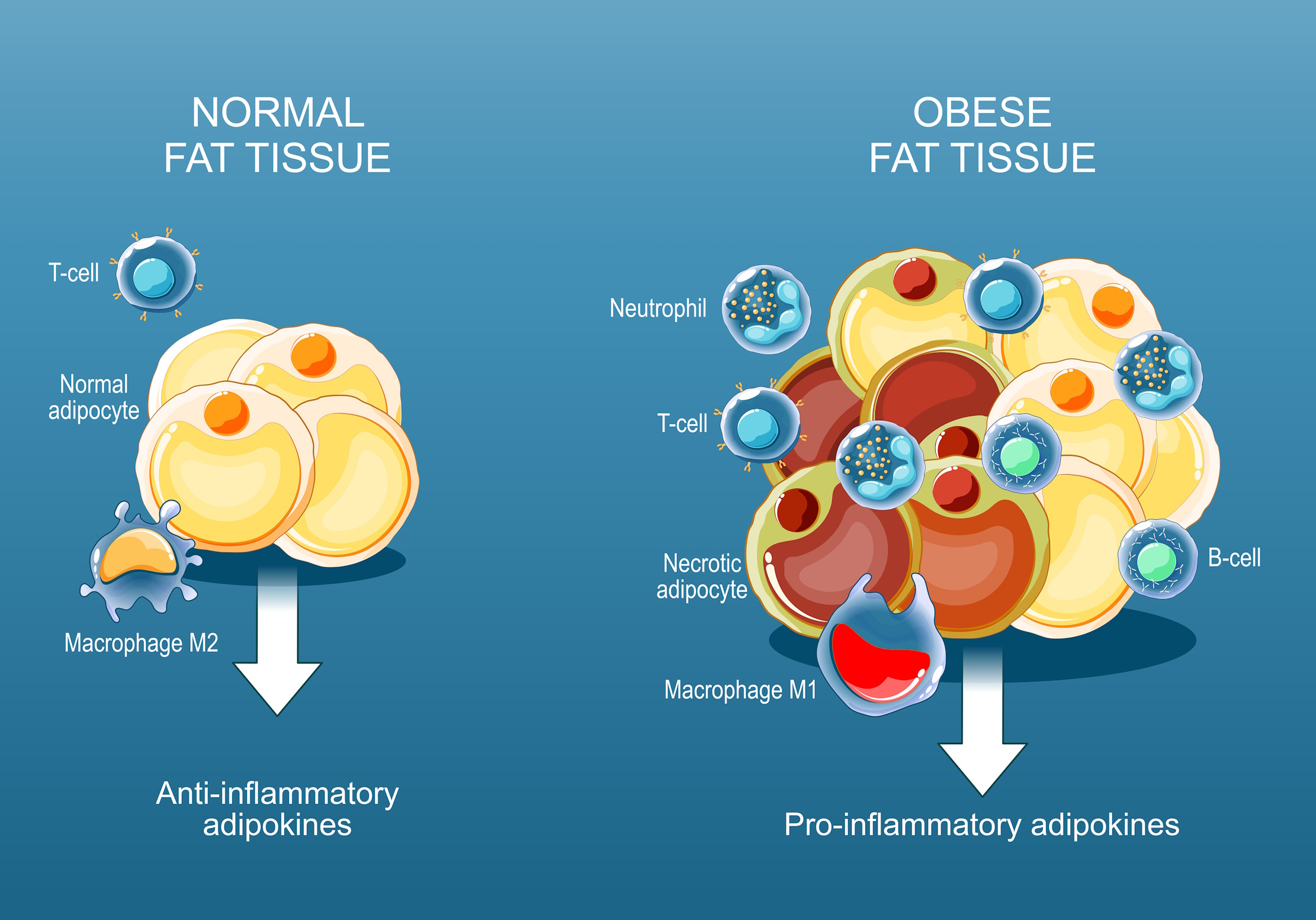
For much of modern history, body fat was viewed simply as stored energy, a passive reserve that expanded or shrank depending on diet and activity. Today, that understanding has shifted dramatically. Research led by scholars such as Prof. Jamie Rausch of Indiana University reveals that adipose tissue is not merely a storage site but a dynamic, hormone-producing system that influences nearly every aspect of human health. When this system becomes dysregulated, it can quietly set the stage for chronic diseases that affect millions worldwide.

Prof. José Ignacio Nazif-Muñoz | When Heat Meets the Road: How Rising Temperatures Are Changing Urban Traffic Safety
On a sweltering summer day, most of us notice the obvious effects of heat. We feel slower, more irritable, and eager to escape the sun. What is less obvious is how these same conditions quietly reshape our behavior behind the wheel. A recent study led by Prof. José Ignacio Nazif-Muñoz of the University of Sherbrooke in collaboration with Prof. Jose Guillermo Cedeño Laurent of Rutgers University explores this hidden connection, revealing how heatwaves and urban heat patterns influence road safety across five cities in Québec. The findings offer a timely reminder that climate change is not only an environmental issue but also a public safety concern that touches everyday life in unexpected ways.
Increase the impact of your research
• Good science communication encourages everyday people to be scientifically literate so that they can analyse the integrity and legitimacy of information.
• Good science communication encourages people into STEM-related fields of study and employment.
• Good public science communication fosters a community around research that includes both members of the public, policymakers and scientists.
• In a recent survey, 75% of people suggested they would prefer to listen to an interesting story than read it.
Step 2 SciPod script written
Step 3 Voice audio recorded
Step 4 SciPod published