
Let There Be Light – Professor Yubin Zhou, Texas A&M University
Original Article Reference
https://doi.org/10.33548/SCIENTIA323
Share Episode

About this episode
This work is licensed under a Creative Commons Attribution 4.0 International License. 
What does this mean?
Share: You can copy and redistribute the material in any medium
or format
Adapt: You can change, and build upon the material for any
purpose, even commercially.
Credit: You must give appropriate credit, provide a link to the
license, and indicate if changes were made.
Related episodes

Dr. Fay Betsou | The Hidden Life of a Biospecimen: Why Better Medical Research Begins Before the Laboratory Assay
To most of us, a vial of blood looks like a simple container of biological truth, a snapshot of what was happening inside a person at the moment the needle entered their arm. Scientists can measure its proteins, read genetic material, hunt for signs of disease, and feed the resulting data into increasingly powerful analytical systems. Yet that vial has a history. How long did it sit before processing? At what temperature? What kind of tube held it? Was it spun, transported, frozen, thawed, or stored? Each step may quietly change what researchers later believe they are seeing.
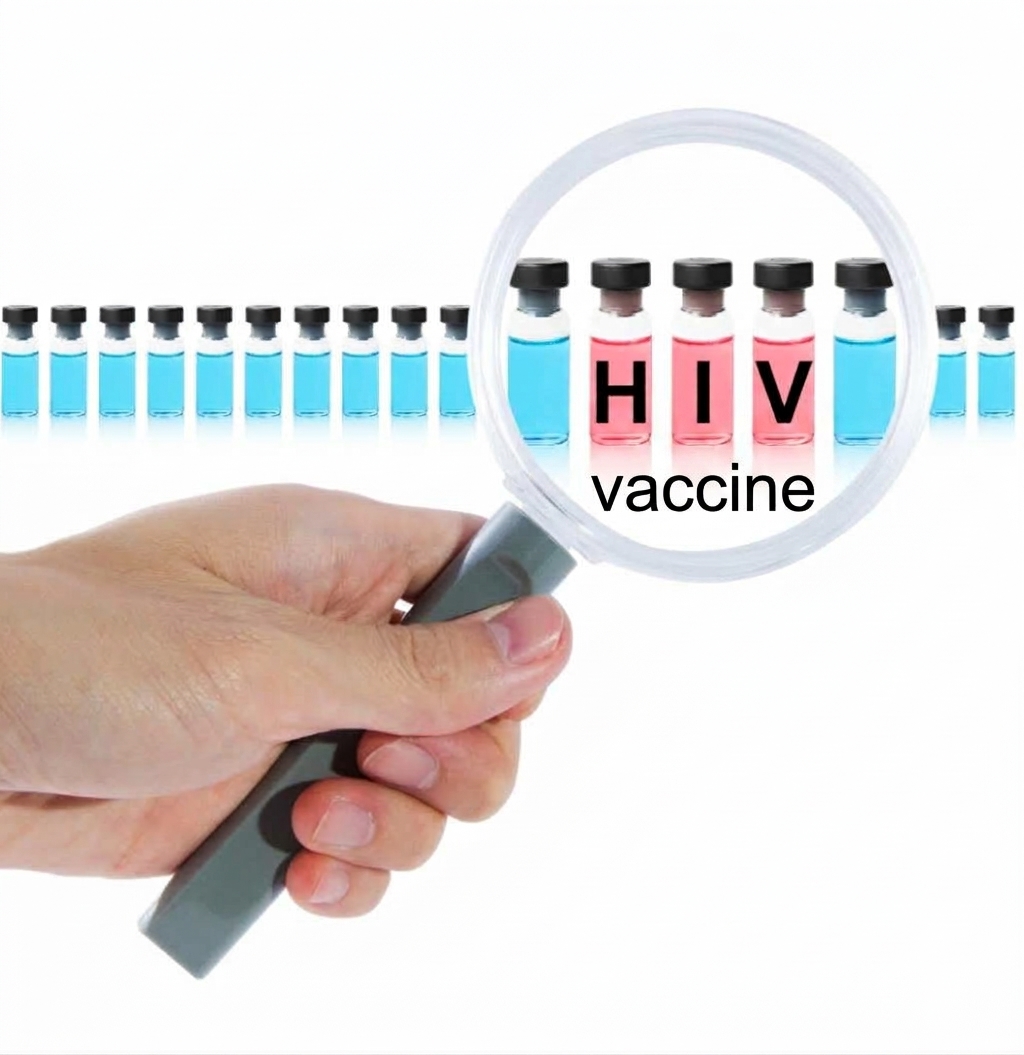
Prof. Shan Lu | Inducing Polyfunctional Antibodies: A Promising Chapter in the Long Search for an HIV Vaccine
For more than four decades, HIV has challenged some of the brightest scientific minds in the world. Tremendous progress has transformed HIV from what was once almost always a fatal infection into a condition that can often be managed with modern medicines. Preventive treatments have also become increasingly effective. Yet millions of people continue to become infected every year, particularly in regions where access to healthcare remains limited. A safe, effective preventive HIV vaccine remains one of the greatest goals in global medicine because it has the potential to provide large-scale, long-lasting prevention for large numbers of high-risk populations.

Prof. Dr. Daniel Gredig | Protection Is a Conversation: How Modern HIV Prevention Is Changing Intimacy and Trust
The story of HIV prevention has changed dramatically over the past four decades. What was once dominated by fear and limited options has become a field shaped by scientific breakthroughs, greater understanding, and a growing appreciation of personal choice. Yet while medicine has transformed the ways people can protect themselves, one element remains as important as ever. Prevention depends on communication. Every intimate encounter involves two people, each bringing their own experiences, expectations, and preferences. Reaching a shared understanding is rarely as simple as it appears.
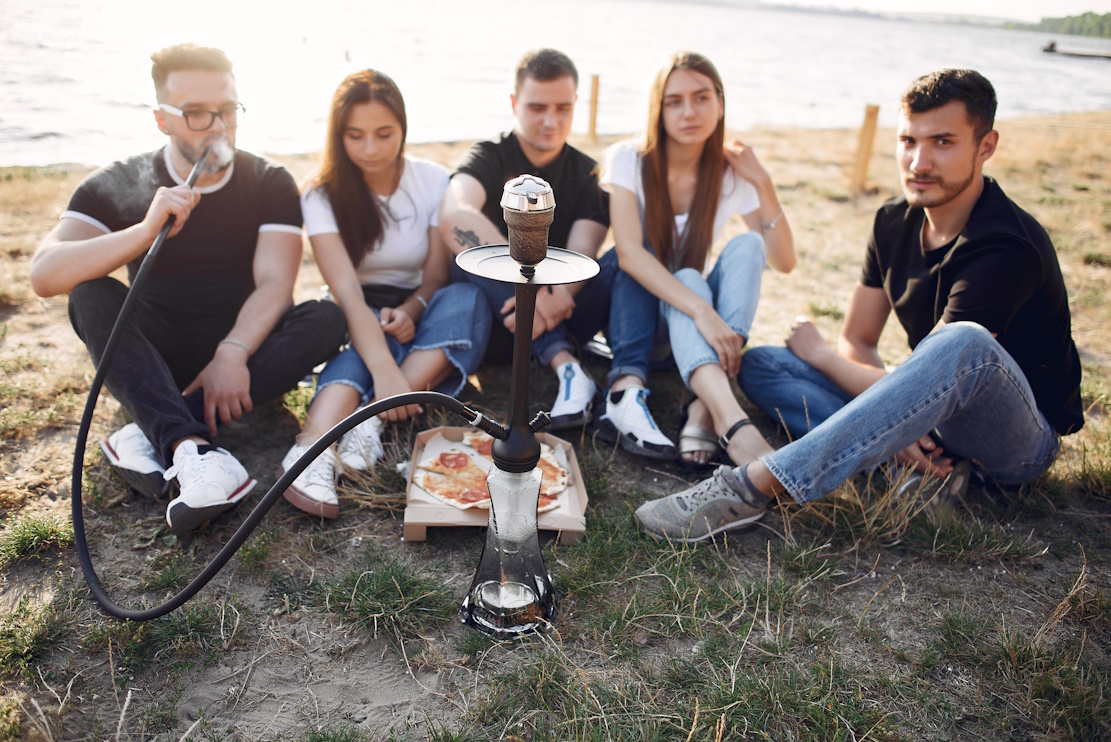
Professor Thomas Münzel | Nicotine: The Molecule the Tobacco Industry Doesn’t Want You to Question
For decades, the story of tobacco and the heart seemed settled. Cigarettes were dangerous because they burned, releasing tar, carbon monoxide, and thousands of toxic chemicals that wrecked blood vessels. Remove the fire, the thinking went, and you remove almost all of the danger. That’s the logic behind heat-not-burn devices, e-cigarettes, and now nicotine pouches, each marketed, in turn, as the “safer” next step for people who can’t or won’t quit nicotine altogether.
Increase the impact of your research
• Good science communication encourages everyday people to be scientifically literate so that they can analyse the integrity and legitimacy of information.
• Good science communication encourages people into STEM-related fields of study and employment.
• Good public science communication fosters a community around research that includes both members of the public, policymakers and scientists.
• In a recent survey, 75% of people suggested they would prefer to listen to an interesting story than read it.
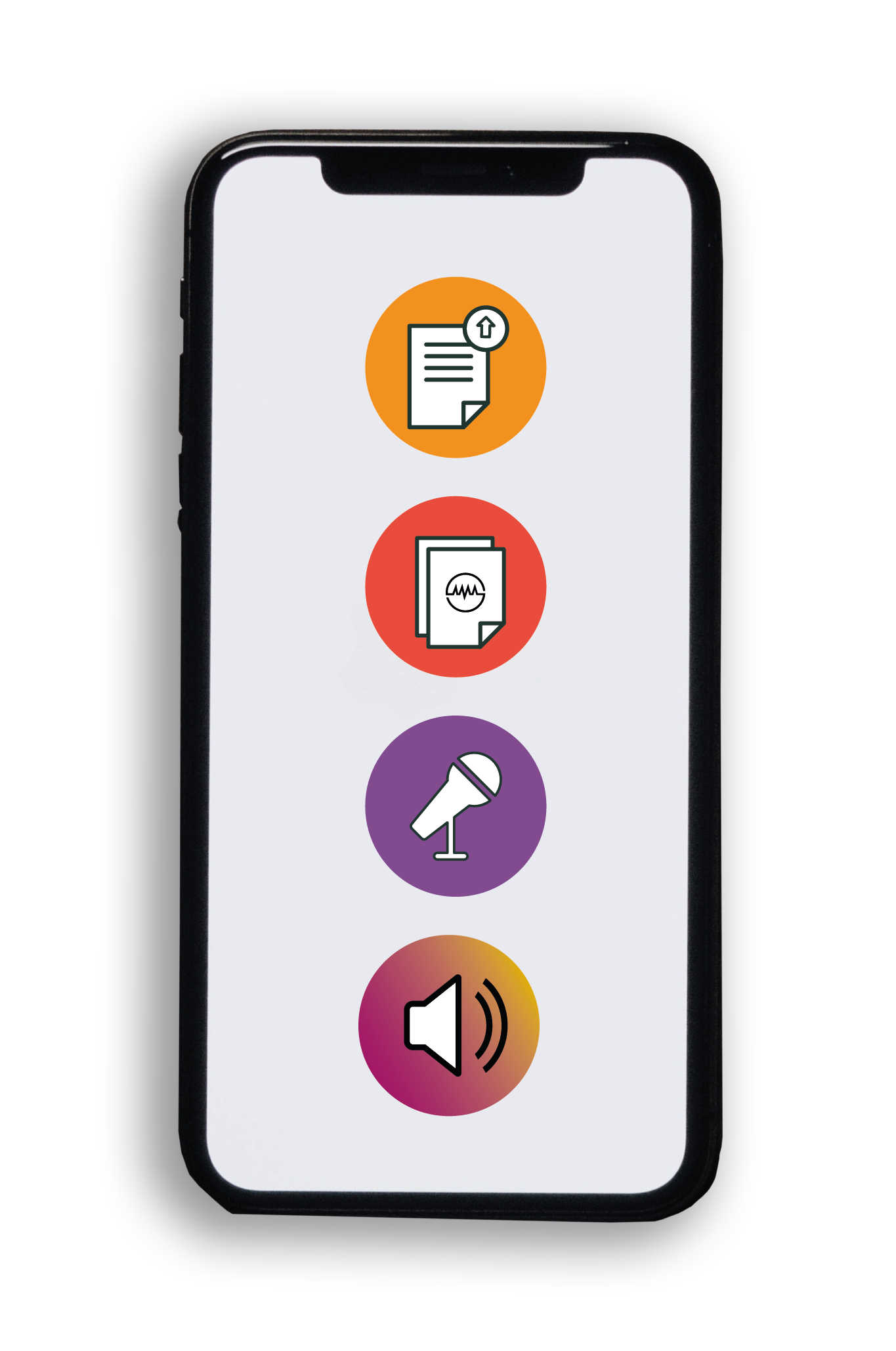
Upload your science paper
Step 2
SciPod script written
Step 3
Voice audio recorded
Step 4
SciPod published