Is Social Media Influencing Our Opinions Or Exposing Them? We Discuss With Dominique Brossard
In this weeks episode, we discuss the good, the bad and the ugly impact social media and other modern communication methods are having on the way we form opinions. We’re joined by Dominique Brossard, an expert on media, science and policy, science and social media, public understanding of science, public attitudes toward controversial science. She sheds light on the impact of modern communication channels.
Resources mentioned:
Dominique’s university profile and contact information:https://experts.news.wisc.edu/experts/dominique-brossard
More SciPods Radio episodes you may like

Prof. Dr. Winnie-Karen Giera | Learning to Argue: How Debate, Planning and Strategy Can Build Better Writers
Audiobook

About this episode
What happens between having an opinion and writing a convincing argument? For many teenagers, the distance is surprisingly large. A student may argue energetically with friends, spot weaknesses in someone else’s reasoning, and explain why a rule seems unfair, yet struggle when asked to turn those abilities into a formal essay. On the page, there is no opponent waiting to respond and no immediate question demanding clarification. The writer has to create that dialogue alone. More
Original article reference
This Audio is a summary of the papers ‘Exploring the Power of Persuasion in Written Argumentation: A Mixed-Methods Pilot Study (QASA),’ in Journal of Applied Language Learning, retrieved from 10.33140/JALL.02.02.04, ‘From Cognition to Writing: Planning Activities in Digital Argumentative Texts of Ninth Graders in Two Different School Types,’ in Journal of Applied Language Learning, 10.33140/JALL.02.02.09, and ‘Merging Oral and Written Argumentation: Supporting Student Writing Through Debate and SRSD in Inclusive Classrooms,’ in Education Sciences, https://doi.org/10.3390/educsci15111471
Funding
This study “Fair Debattieren und Erörtern” was funded by the University of Potsdam, with the grant Start-up funding for young scientists from the Vice-President for Research (Giera/2021) received by the author Giera for the years 2021 until 2022 for research assistants. The pilot study “QASA” received no funding.
Institutional Review Board Statement: This study was conducted in accordance with the ethical guidelines outlined by the University of Potsdam’s ethics committee in accordance with the Declaration of Helsinki. Informed consent was obtained from all participants, and confidentiality was maintained throughout the study. Ethic Commission University of Potsdam (Link: https://www.uni-potsdam.de/de/senat/kommissionen-des-senats/ek (accessed on 5 October 2021), Approval Code: 54/2021 (Name: “Fair Debattieren und Erörtern (No 53/2021)”, Responsibility: Prof. Dr. Winnie-Karen Giera), Approval Date: 5 October 2021.
Informed Consent Statement: Informed consent was obtained from all subjects involved in the study. Also, written informed consent has been obtained from the patients to publish this paper.
Data Availability Statement: The data presented in this study are available on request from the corresponding author due to the requirements of the Brandenburg Ministry of Education and the Ethics Committee of the University of Potsdam.
Conflicts of Interest: The authors declare that there are no conflicts of interest regarding the publication of this paper.
Contact
For further information, you can contact Prof. Dr. Winnie-Karen Giera at winnie-karen.giera@uni-potsdam.de

What does this mean?
Share: You can copy and redistribute the material in any medium or format
Adapt: You can change, and build upon the material for any purpose, even commercially.
Credit: You must give appropriate credit, provide a link to the license, and indicate if changes were made.
Increase The Impact Of Your Research!
More episodes
Prof. Dr. Winnie-Karen Giera | Learning to Argue: How Debate, Planning and Strategy Can Build Better Writers
Dr. Kendra Pugh | Mapping the Hidden Geography of Gambling Risk
Dr. Shimaa Ghazal | Reading the Mosquito: What Two New Genomes Can Tell Us About Malaria
Ben de Vries | The Hidden Netherlands: Inside the Secret World of the Cold War

Dr. Fay Betsou | The Hidden Life of a Biospecimen: Why Better Medical Research Begins Before the Laboratory Assay
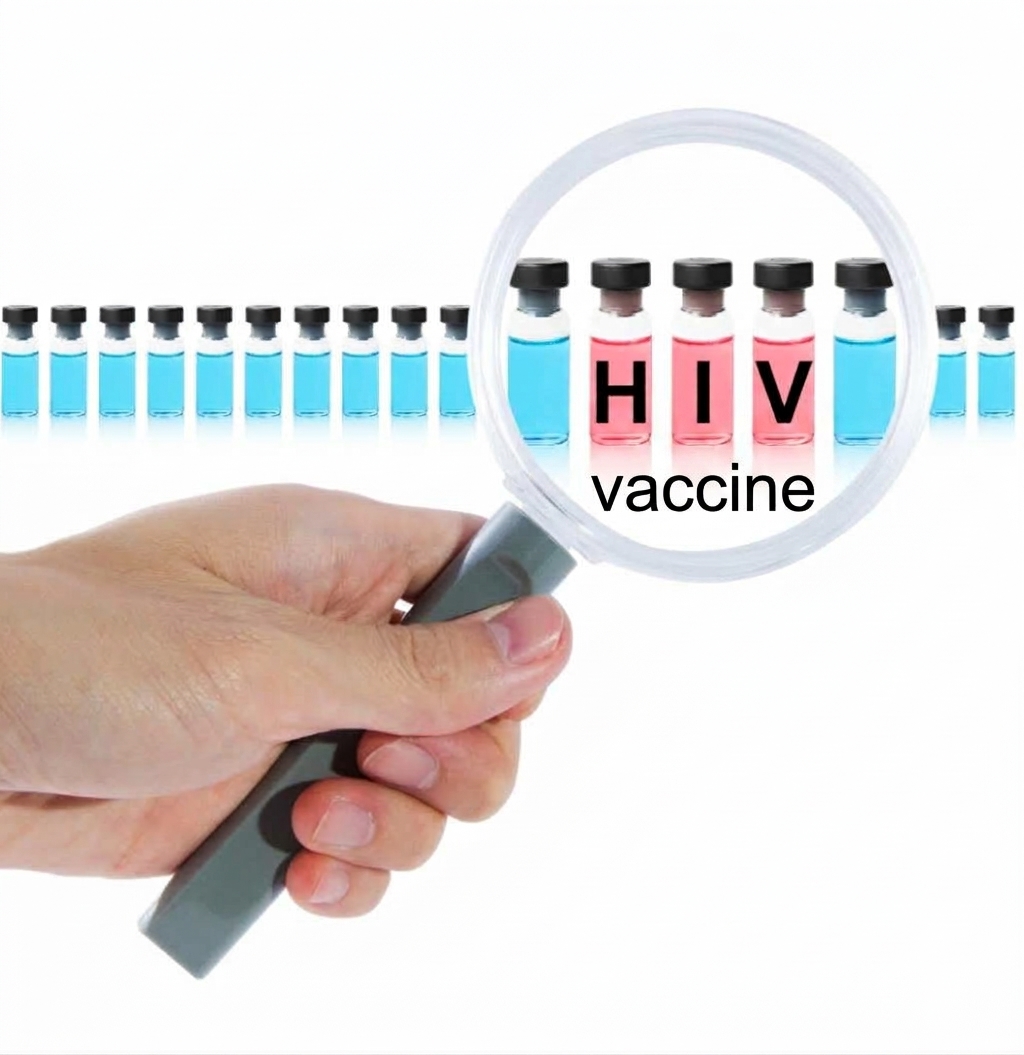

Prof. Shan Lu | Inducing Polyfunctional Antibodies: A Promising Chapter in the Long Search for an HIV Vaccine

Dr. Kendra Pugh | Mapping the Hidden Geography of Gambling Risk
Audiobook
About this episode
A lottery ticket is small enough to slip into a pocket, but the forces that shape gambling behavior can stretch across families, neighborhoods, shopping districts, and entire communities. A Massachusetts study led by Dr. Kendra Pugh asks an important but deceptively simple question: when gambling becomes risky or problematic, how much depends on the person, and how much depends on the place? More
Original article reference
Dr. Kendra Pugh is an employee of the Department of Veterans Affairs; however, the project was not funded or monitored by the VA. The University of Massachusetts Boston Institutional Review Board served as the monitoring committee. The findings and interpretations are those of the authors and do not necessarily represent the views of the Department of Veterans Affairs.
This Audio is a summary of the paper “Individual and Neighborhood Risk and Protective Factors of At-Risk and Problem Gambling: a Spatial Analysis Using Geographic Information Systems,” in the Journal of Gambling Studies, https://doi.org/10.1007/s10899-026-10475-6
Contact
For further information, contact Dr. Kendra Pugh at Kendra.Pugh@va.gov
What does this mean?
Share: You can copy and redistribute the material in any medium or format
Adapt: You can change, and build upon the material for any purpose, even commercially.
Credit: You must give appropriate credit, provide a link to the license, and indicate if changes were made.
Increase The Impact Of Your Research!
More episodes
Prof. Dr. Winnie-Karen Giera | Learning to Argue: How Debate, Planning and Strategy Can Build Better Writers
Dr. Kendra Pugh | Mapping the Hidden Geography of Gambling Risk
Dr. Shimaa Ghazal | Reading the Mosquito: What Two New Genomes Can Tell Us About Malaria
Ben de Vries | The Hidden Netherlands: Inside the Secret World of the Cold War
Dr. Fay Betsou | The Hidden Life of a Biospecimen: Why Better Medical Research Begins Before the Laboratory Assay
Prof. Shan Lu | Inducing Polyfunctional Antibodies: A Promising Chapter in the Long Search for an HIV Vaccine
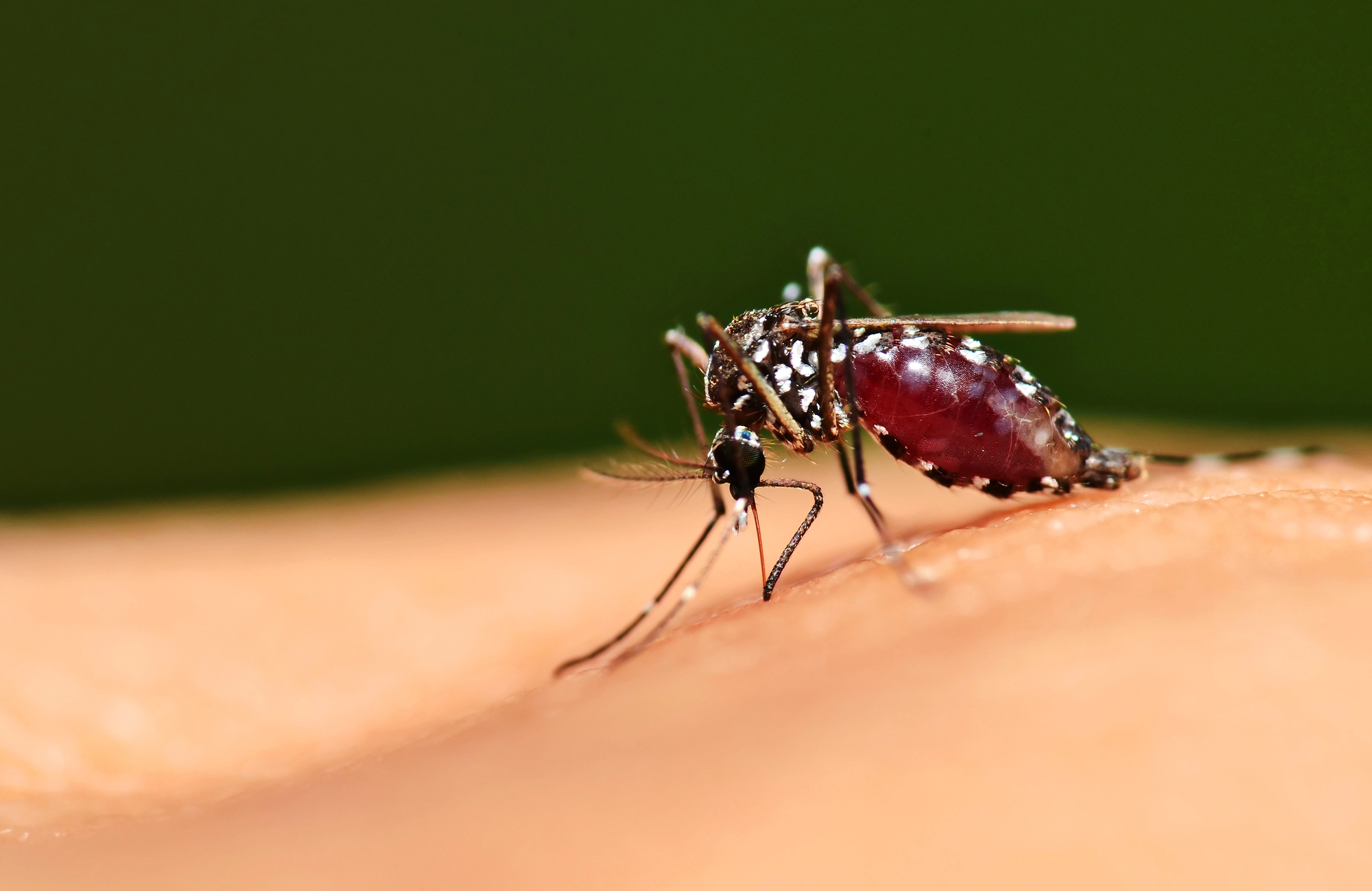
Dr. Shimaa Ghazal | Reading the Mosquito: What Two New Genomes Can Tell Us About Malaria
Audiobook
About this episode
A mosquito’s whine is easy to dismiss as a minor irritation. Yet some mosquitoes carry one of humanity’s oldest and deadliest diseases. Malaria is caused by microscopic Plasmodium parasites, but those parasites depend on Anopheles mosquitoes to move from one human host to another. Understanding the mosquito, therefore, is an important part of understanding the disease. Every new genetic reference gives researchers another way to investigate what makes these insects effective vectors, how populations differ, and how their biology may shape transmission. Two recent genome announcements involving Dr. Shimaa Ghazal and student researchers at Phillips Exeter Academy add new genetic resources for studying two particularly important malaria vectors: Anopheles gambiae and Anopheles stephensi. More
Original article reference
This Audio is a summary of the papers ‘Whole-Genome Shotgun Sequencing and Assembly of Anopheles gambiae G3, the Host of Malaria Parasite Plasmodium sp.’, in the Journal of Genomics, https://doi.org/10.7150/jgen.123168, and ‘Whole genome Shotgun Sequence of Anopheles stephensi, The Host of Malaria parasite, Plasmodium sp.’, in the Journal of Genomics, https://doi.org/10.7150/jgen.121872
The Anopheles gambiae G3 genome is deposited under accession JAVFHU000000000.1, while the Anopheles stephensi project is deposited under accession JBFRBV000000000.
Funding
The research was funded by Aileen and John Hessel, Phillips Exeter Academy Class of 1952, Innovation Fund.
Contact
For further information, you can contact Dr. Shimaa M. Ghazal at sghazal@exeter.edu
What does this mean?
Share: You can copy and redistribute the material in any medium or format
Adapt: You can change, and build upon the material for any purpose, even commercially.
Credit: You must give appropriate credit, provide a link to the license, and indicate if changes were made.
Increase The Impact Of Your Research!
More episodes
Prof. Dr. Winnie-Karen Giera | Learning to Argue: How Debate, Planning and Strategy Can Build Better Writers
Dr. Kendra Pugh | Mapping the Hidden Geography of Gambling Risk
Dr. Shimaa Ghazal | Reading the Mosquito: What Two New Genomes Can Tell Us About Malaria
Ben de Vries | The Hidden Netherlands: Inside the Secret World of the Cold War
Dr. Fay Betsou | The Hidden Life of a Biospecimen: Why Better Medical Research Begins Before the Laboratory Assay
Prof. Shan Lu | Inducing Polyfunctional Antibodies: A Promising Chapter in the Long Search for an HIV Vaccine
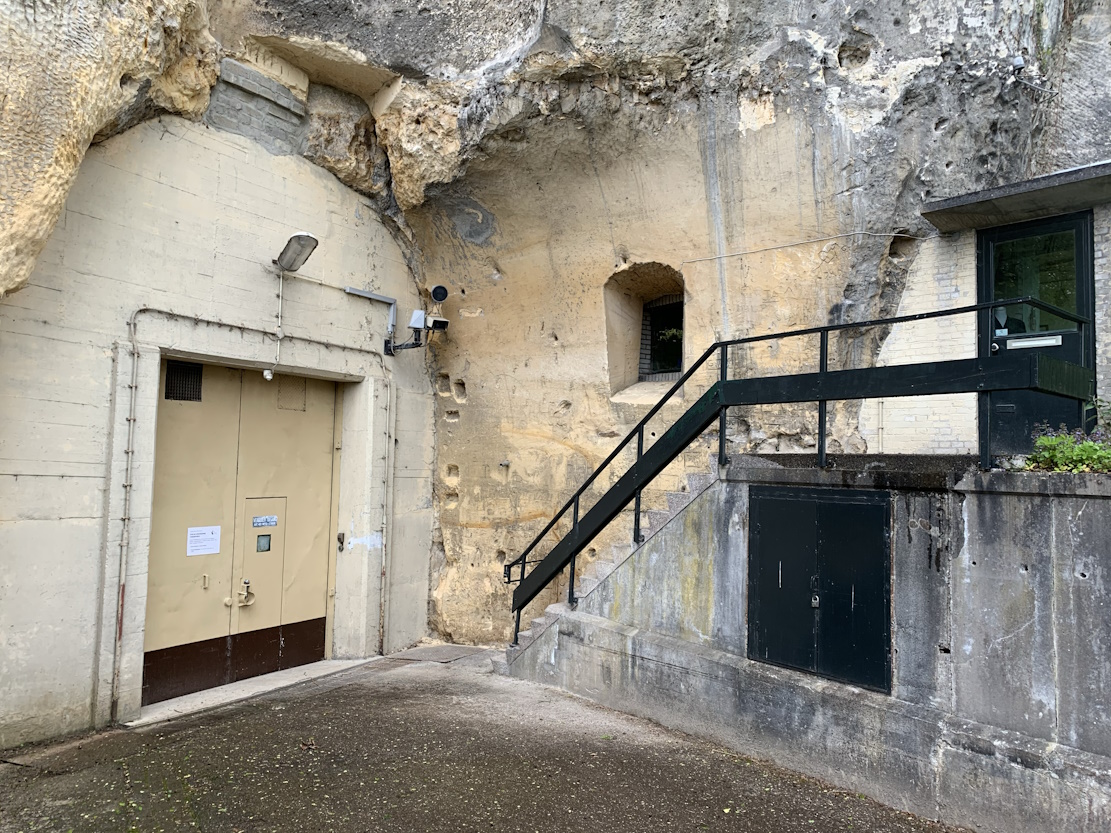
Ben de Vries | The Hidden Netherlands: Inside the Secret World of the Cold War
Audiobook
About this episode
Every first Monday of the month, at exactly 12.00 hours, warning sirens echo across the Netherlands. For many people they are simply a routine test, a familiar sound that barely interrupts daily life. Yet those sirens are echoes from an age when the possibility of nuclear war shaped government policy, military planning, and even ordinary family life. They are reminders that beneath peaceful towns, quiet rivers, and familiar streets lies another Netherlands, one built in secrecy for a conflict that everyone hoped would never happen. More
Original article reference
This Audio is a summary of the paper ‘Top Secret! The Cold War: Hidden and Forbidden Places in the Netherlands’, in Ochrona Zabytków, 2024, nr 2, pp. 259–273, https://doi.org/10.69140/OZ.2024.2.13
Contact
For further information, you can contact Ben de Vries at beikedevries@gmail.com
What does this mean?
Share: You can copy and redistribute the material in any medium or format
Adapt: You can change, and build upon the material for any purpose, even commercially.
Credit: You must give appropriate credit, provide a link to the license, and indicate if changes were made.
Increase The Impact Of Your Research!
More episodes
Prof. Dr. Winnie-Karen Giera | Learning to Argue: How Debate, Planning and Strategy Can Build Better Writers
Dr. Kendra Pugh | Mapping the Hidden Geography of Gambling Risk
Dr. Shimaa Ghazal | Reading the Mosquito: What Two New Genomes Can Tell Us About Malaria
Ben de Vries | The Hidden Netherlands: Inside the Secret World of the Cold War
Dr. Fay Betsou | The Hidden Life of a Biospecimen: Why Better Medical Research Begins Before the Laboratory Assay
Prof. Shan Lu | Inducing Polyfunctional Antibodies: A Promising Chapter in the Long Search for an HIV Vaccine
Welcome to SciPod Radio
An exclusive interview series with leading scientists and science communicators
Also available on