Integrating Team Science into the STEM Graduate Training Experience – Dr Susan E. Cozzens, Georgia Institute of Technology
Original Article Reference
https://doi.org/10.33548/SCIENTIA332
Share Episode

About this episode
This work is licensed under a Creative Commons Attribution 4.0 International License. 
What does this mean?
Share: You can copy and redistribute the material in any medium
or format
Adapt: You can change, and build upon the material for any
purpose, even commercially.
Credit: You must give appropriate credit, provide a link to the
license, and indicate if changes were made.
Related episodes

Jenni AI: Preserving academic integrity in an age of AI-written text
As generative AI becomes ever more convincing at mimicking human text, many universities and academic institutions have come to rely on AI detection tools to police academic integrity. However, recent research has clearly demonstrated that these tools are not only ineffective, they are also amplifying systematic injustices in academia. Jenni AI presents a smarter workspace for drafting, citing, and proofreading: helping students and researchers make the best possible use of AI tools while ensuring their academic integrity is preserved.
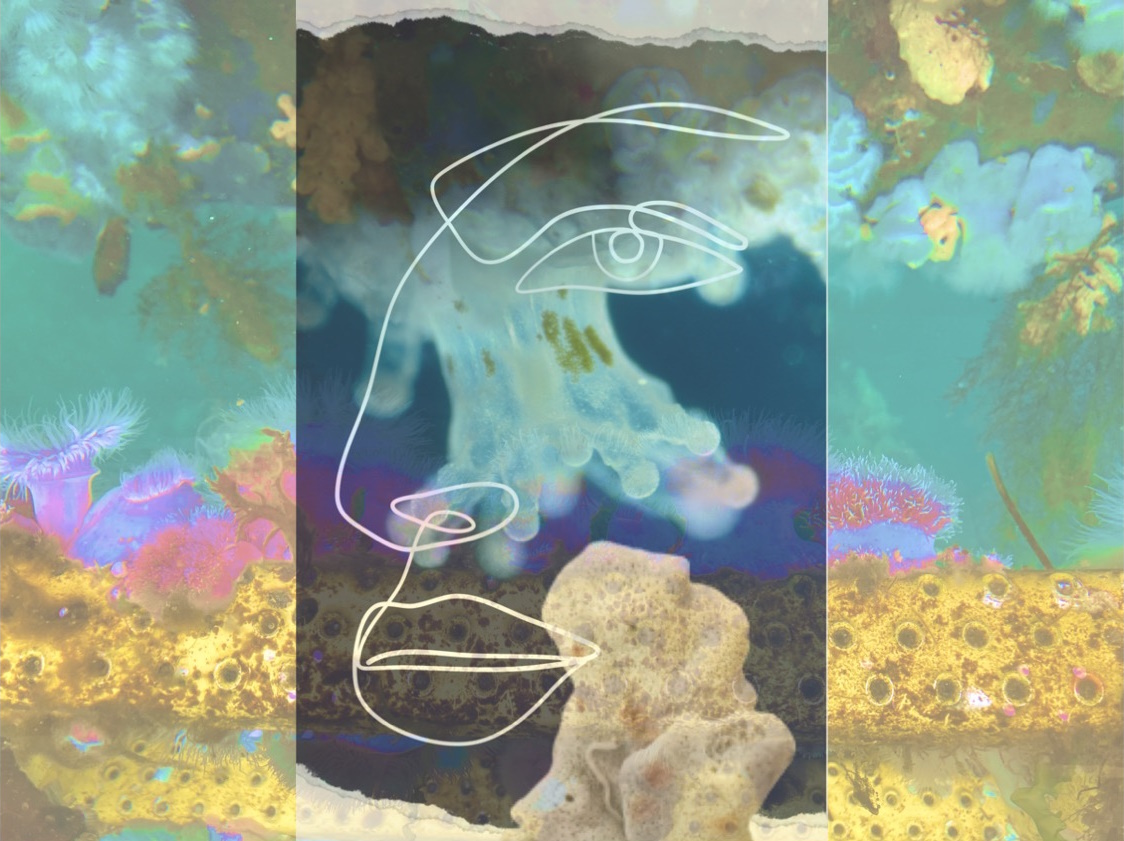
Prof. Marjorie Wonham | The Power of Crossing Disciplines: How Blending Arts and Sciences Transforms Education
In many people’s minds, the arts and the sciences still occupy separate worlds. Science is often imagined as precise, objective, and technical, while the arts are seen as expressive, subjective, and emotional. These stereotypes are reinforced by the way higher education is organized, with students urged to specialize early and remain safely within disciplinary boundaries. Yet the challenges that shape contemporary life rarely respect those boundaries. Climate change, biodiversity loss, public health crises, and social inequality are problems that demand not only data and analysis, but also imagination, empathy, and the ability to communicate across cultures and perspectives to achieve meaningful change. In this context, the growing movement to integrate arts and sciences in higher education is not a luxury or an experiment. It is a necessity.
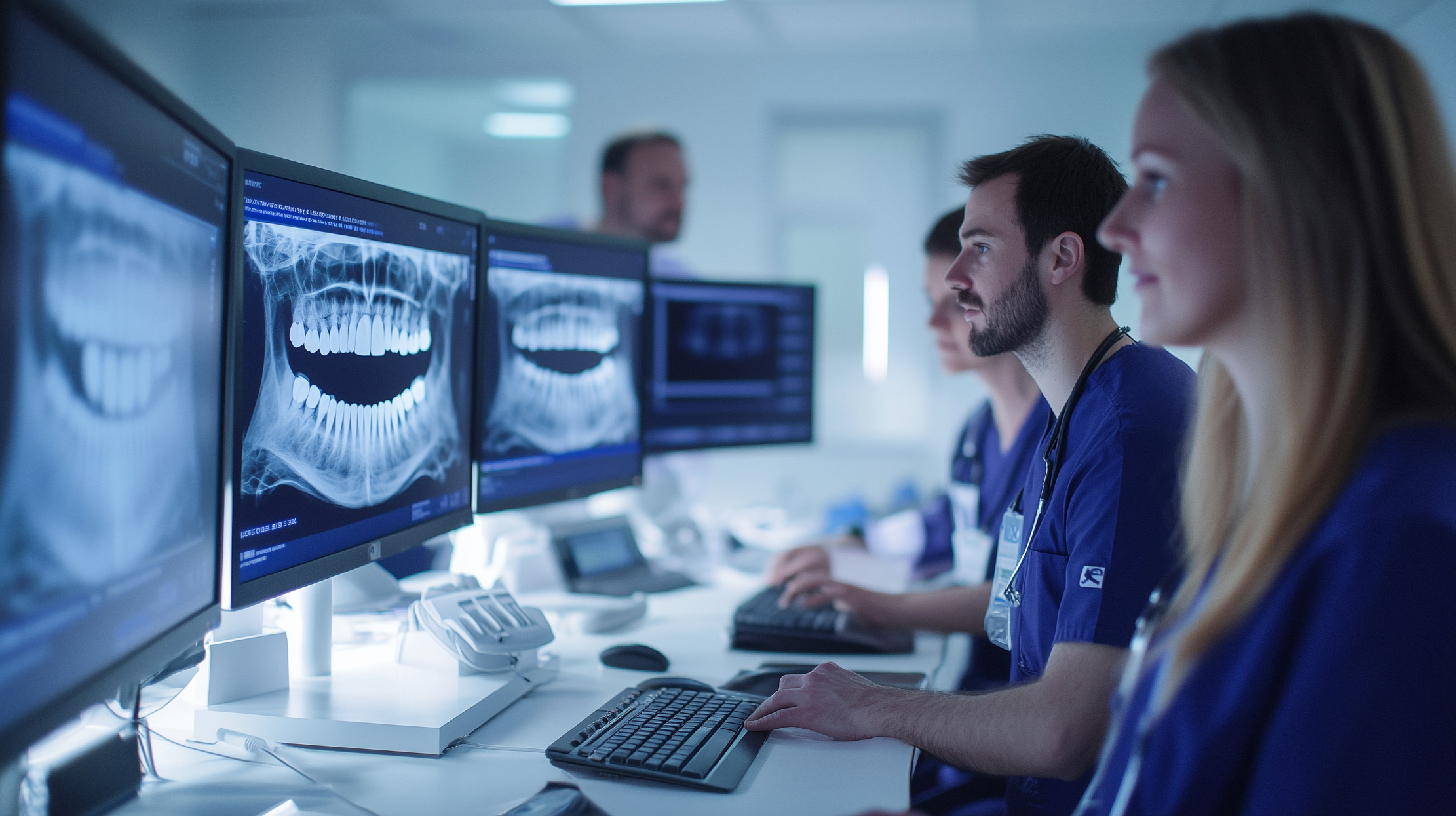
Dr. Shasha Cui | A Global Classroom for Dental Residents: How Virtual Education is Reshaping Dental Training Worldwide
When the COVID-19 pandemic arrived as an unexpected and unwelcome presence in our lives, it didn’t just disrupt our daily routines, it drastically changed how we learn, teach, and connect. For many healthcare professionals, including those in dentistry, this meant abandoning lecture halls and clinical classrooms for an unfamiliar and potentially daunting virtual teaching landscape. After all, no-one knew if this mandatory experiment in online teaching would work out. Yet from this unprecedented upheaval emerged an extraordinary opportunity to rethink how education is delivered globally, one that Dr. Shasha Cui of the Eastman Institute for Oral Health at the University of Rochester School of Medicine and Dentistry, and her colleagues, seized with insight, innovation, and a keen eye toward the future.

Dr Malgorzata Trela – Dr Sophie Rutschmann | From Classroom to Conference: How a New Teaching Model Lets Students Step Inside the Scientific Community
When you imagine a scientific conference, you may picture rows of poster boards, bustling coffee breaks, and seasoned researchers discussing the latest data and research approaches. It can feel like a world reserved for insiders. Yet a recent study led by Dr Malgorzata Trela and Dr Sophie Rutschmann at Imperial College London argues that this lively professional gathering is precisely where tomorrow’s scientists ought to cut their teeth. Their paper, “Immunology in Practice: a modular framework to support Master of Science students’ conference attendance and engagement,” describes an educational project that turns a four-day professional congress into the beating heart of a master’s-level module, and in doing so, reshapes how students learn, network and even see themselves.
Increase the impact of your research
• Good science communication encourages everyday people to be scientifically literate so that they can analyse the integrity and legitimacy of information.
• Good science communication encourages people into STEM-related fields of study and employment.
• Good public science communication fosters a community around research that includes both members of the public, policymakers and scientists.
• In a recent survey, 75% of people suggested they would prefer to listen to an interesting story than read it.
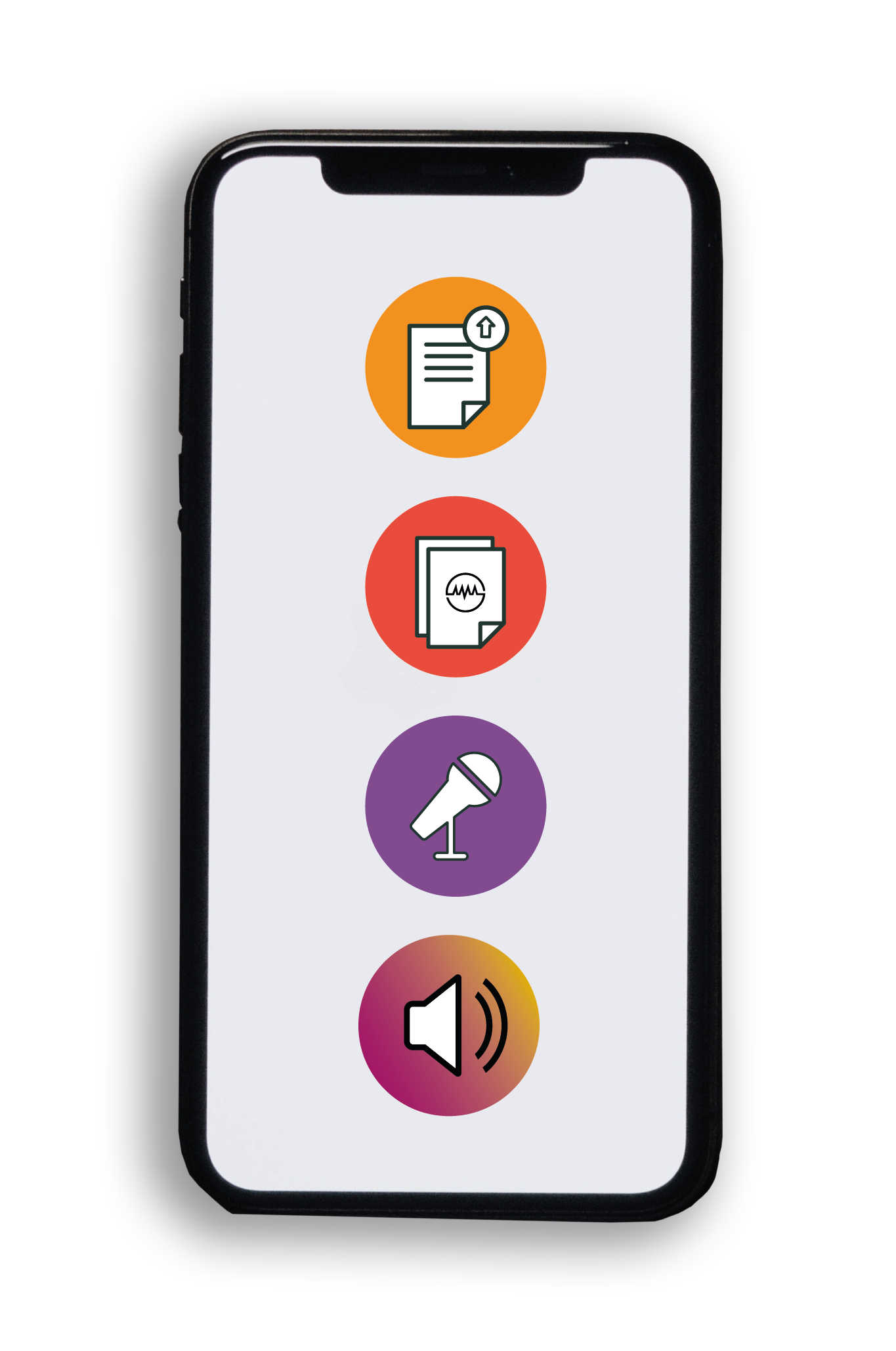
Upload your science paper
Step 2
SciPod script written
Step 3
Voice audio recorded
Step 4
SciPod published