
Improving The Diagnosis And Treatment Of Neurological Diseases – Dr Arun Swaminathan, University Of Nebraska Medical Center
Original Article Reference
This SciPod is a summary of
https://doi.org/10.33548/SCIENTIA608
Share Episode

About this episode
Medical conditions that affect the brain can have severe impacts on people’s lives. Many of these conditions can be difficult to treat, including epilepsy which affects the brain to cause seizures and the common form of dementia known as Alzheimer’s disease. Dr Arun Swaminathan at the University of Nebraska Medical Center specialises in the treatment of epilepsy. He also collaborates with fellow researchers to explore treatment options for Alzheimer’s disease.
This work is licensed under a Creative Commons Attribution 4.0 International License. 
What does this mean?
Share: You can copy and redistribute the material in any medium or format
Adapt: You can change, and build upon the material for any purpose, even commercially.
Credit: You must give appropriate credit, provide a link to the license, and indicate if changes were made.
More episodes

Dr. Linda Mermelstein | When Knowledge Is Not Enough: Building Trust Around Prostate Cancer
For many men, a conversation about prostate cancer begins long before they enter a doctor’s office. It may begin when a brother mentions a test, when a friend describes a frightening diagnosis, or when a family member dies from cancer. For Black men, those conversations carry particular urgency. Prostate cancer affects them much more often, yet knowing that a disease is dangerous does not automatically mean people have the information, confidence, or trusted relationships needed to make decisions about screening.

Prof. John Flack | A New Way to Tackle Stubborn High Blood Pressure
High blood pressure or hypertension is often called the silent killer, because the symptoms that it does cause beyond headache (such as nervousness, sleep disturbance, and poor exercise tolerance) have not typically been linked to elevated blood pressure. Over the years when blood pressure remains uncontrolled it damages the heart, brain, kidneys, and blood vessels and impairs their function. Millions of people take blood pressure medication every day for the purpose of lowering their blood pressure to normal levels. For many, those medicines work well, however for others, the numbers on the blood pressure monitor remain stubbornly high despite taking several different antihypertensive drugs. This frustrating situation leaves patients at increased risk for preventable health problems (such as stroke, and heart failure) and both them and their doctors searching for better answers.
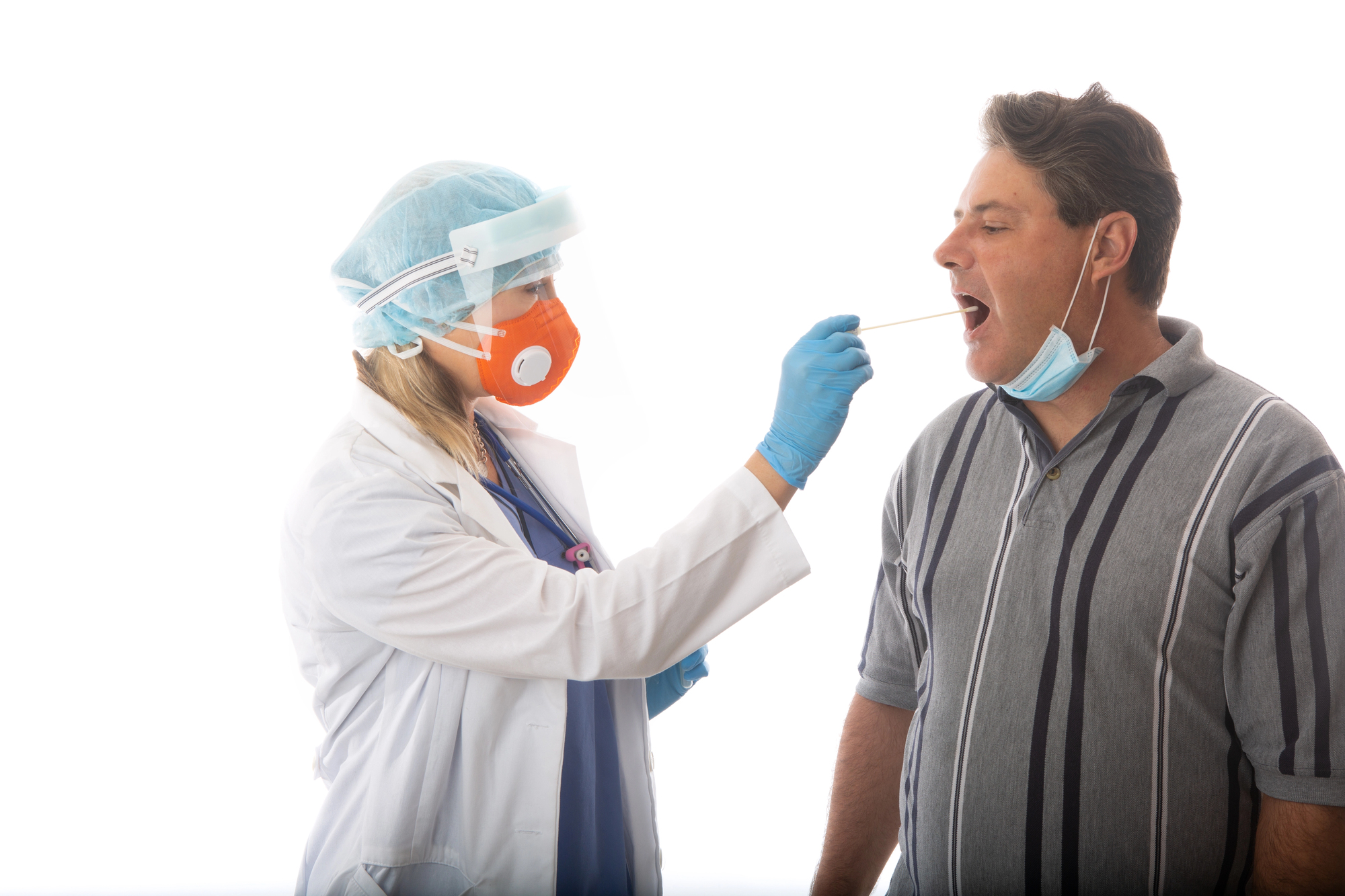
Dr. Rodica Gilca | When Winter Viruses Lost the Calendar
For decades, respiratory viruses seemed to follow a familiar seasonal script. As autumn cooled into winter, influenza returned, respiratory syncytial virus, better known as RSV, filled pediatric wards, and a collection of other viruses circulated alongside them. Hospitals could never predict the season perfectly, but experience provided a rough map of what was coming. Then COVID-19 arrived, and the map stopped matching the territory.

Dr. Kendra Pugh | Mapping the Hidden Geography of Gambling Risk
A lottery ticket is small enough to slip into a pocket, but the forces that shape gambling behavior can stretch across families, neighborhoods, shopping districts, and entire communities. A Massachusetts study led by Dr. Kendra Pugh asks an important but deceptively simple question: when gambling becomes risky or problematic, how much depends on the person, and how much depends on the place?
Increase the impact of your research
• Good science communication encourages everyday people to be scientifically literate so that they can analyse the integrity and legitimacy of information.
• Good science communication encourages people into STEM-related fields of study and employment.
• Good public science communication fosters a community around research that includes both members of the public, policymakers and scientists.
• In a recent survey, 75% of people suggested they would prefer to listen to an interesting story than read it.
Step 2 SciPod script written
Step 3 Voice audio recorded
Step 4 SciPod published