by Iliyah Maddox | Oct 22, 2025 | biology, engineering and tech, health and medicine
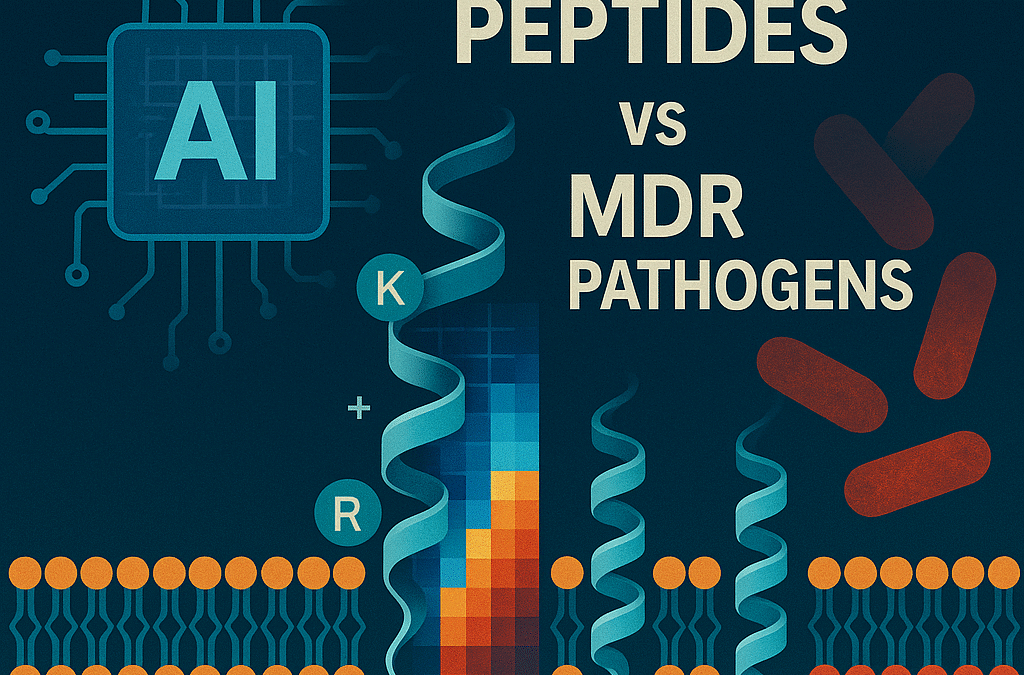
In the 20th century, antibiotics transformed medicine. Infections that once killed millions could be cured with a pill or injection. Surgeries became safer, cancer treatments more effective, and advanced medical interventions, such as organ transplants, became possible, all because doctors could rely on these drugs to control infections. Unfortunately, today, that foundation is crumbling. Bacteria are evolving faster than medicine can keep up. Common antibiotics are failing, and infections that were once easily treatable are becoming deadly again. In 2019 alone, antimicrobial resistance was linked to nearly five million deaths worldwide, making it deadlier than HIV or malaria. The economic cost is equally staggering: the World Bank warns of trillions lost in global productivity and millions pushed into poverty if nothing changes. This crisis, caused by antimicrobial resistance, has been described as a “silent pandemic.” Unlike a sudden outbreak, it spreads quietly, making routine medical care slightly more dangerous each year. Yet amid this grim outlook, new research is opening a window of hope. At the forefront of new innovations in this area are Dr. Kai Hilpert of City St George’s, University of London, and his colleagues, who are pioneering an approach that combines biology, chemistry, and artificial intelligence to reinvent how we discover infection-fighting medicines. Their work has been recognised with a prestigious award from the UK’s Biotechnology and Biological Sciences Research Council, BBSRC.
by Iliyah Maddox | Oct 7, 2025 | health and medicine
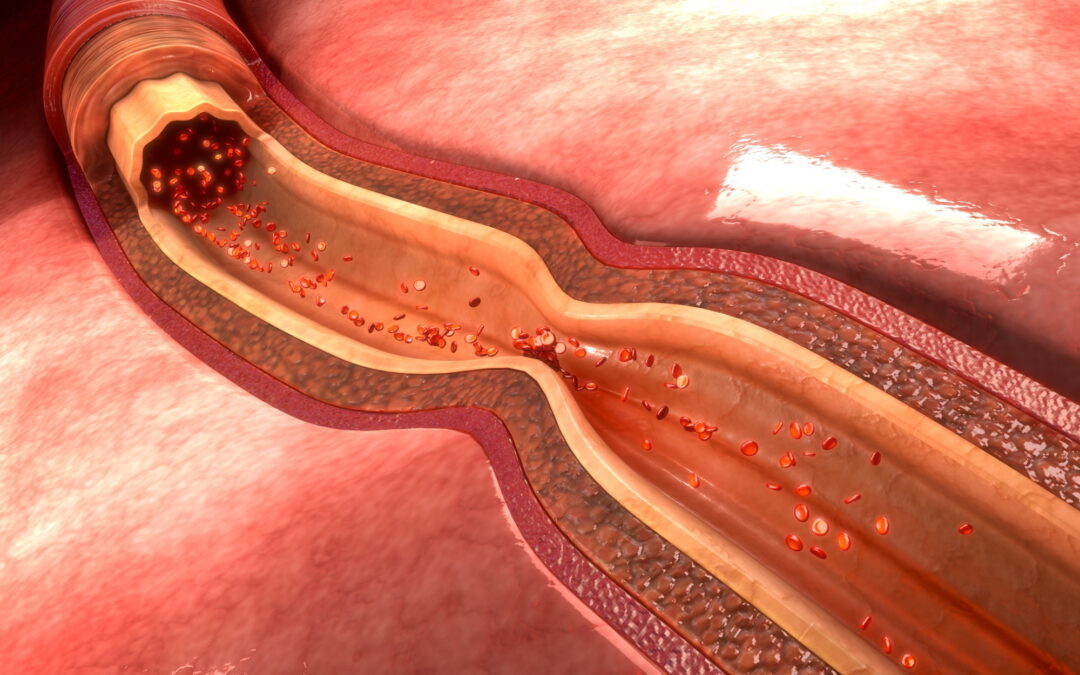
Most of us never give much thought to the small artery that runs along the inside of our wrist, the radial artery. You can feel it easily if you press your fingers just below your thumb. Yet in modern medicine, this little vessel has become one of the most important gateways to the heart. Imagine a doctor threading a tiny tube, called a catheter, through the radial artery to reach your heart. This technique, called transradial access, has transformed modern cardiology. By entering through the radial artery, doctors can perform life-saving cardiac procedures with fewer complications, faster recovery, and even lower costs than older methods that went through the leg. Many people can even walk out of the hospital on the same day. Over the past two decades, doctors have increasingly chosen the radial artery as their entry point for procedures like angiography (imaging of the heart’s blood vessels) and angioplasty (opening blocked arteries). But there’s a catch: sometimes the artery rebels. It tightens suddenly, almost like a muscle cramp, gripping the medical instruments and making the doctor’s job harder. This is known as radial artery spasm (or RAS for short). In rare cases, the spasm is so severe that it traps the catheter or damages the artery wall.
by Iliyah Maddox | Sep 26, 2025 | health and medicine
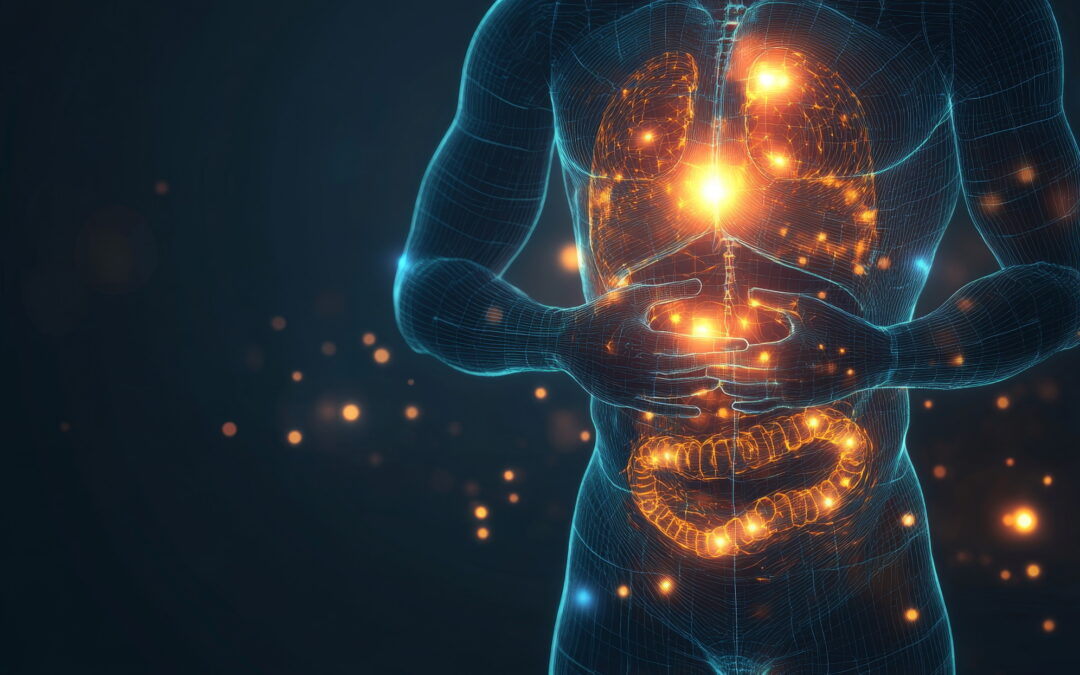
Imagine a future where treating cancer doesn’t just depend on high-tech machines or potent drugs, but also on something as simple, and as complex, as the bacteria living in your gut. This future might be closer than we think, thanks to groundbreaking research led by Professor Andrea Facciabene at the University of Pennsylvania. In a randomized pilot study recently published in the Journal for ImmunoTherapy of Cancer, Prof. Facciabene and an international team of researchers explored a curious and compelling idea: could altering the gut microbiome enhance the effectiveness of radiation therapy in patients with inoperable early-stage lung cancer? The answer, at least in this early stage, appears to be yes.

by Iliyah Maddox | Sep 19, 2025 | health and medicine, social and behavioural sciences
Interview with Professor Mary Rezk-Hanna

by Iliyah Maddox | Sep 1, 2025 | health and medicine
If you stroll into a McDonald’s fast-food restaurant in Paris, Tokyo, or New York, you’ll notice that the Big Mac tastes the same, the menu looks familiar, and the process is quick and efficient. You order your food, wait a short while, and you get exactly what you expect. In the 1990s, American sociologist George Ritzer gave a name to this phenomenon: McDonaldization. He identified four principles behind the model’s success. The first is Efficiency, in terms of getting things done in the fastest, least expensive way possible. Second comes Calculability, which involves valuing numerical metrics, such as how many burgers sold and how fast they were served, over subjective qualities such as taste or ambiance. The third factor is Predictability, which involves making sure the experience is the same way everywhere. The final aspect is Control, where the corporation uses refined rules, technology, and systems to achieve the preceding three principles. While these ideas may work for burgers and fries, can they work if applied to something very different, such as healthcare? In a thought-provoking review, Professor Dr. Frederik Wenz of the University of Freiburg explores how these fast-food-inspired principles are transforming hospitals, clinics, and even the role of patients themselves. This phenomenon doesn’t just involve faster patient registrations or standardized treatments. It’s about a fundamental shift in how we think about healing, and how much responsibility patients are willing (or able) to take on themselves.

by Iliyah Maddox | Aug 28, 2025 | health and medicine, social and behavioural sciences
Research from Dr. Adam W. Carrico at the Florida International University, and his colleagues, explores innovative approaches to address HIV prevention and treatment challenges among sexual minority men who use stimulants. Three interconnected studies examine how behavioral interventions can reduce HIV viral load, alter gene expression in immune cells, and increase the use of preventive medication in this high-priority population. Collectively, these randomized controlled trials provide compelling evidence of the potential of behavioral interventions to improve health behaviors and outcomes.