by Iliyah Maddox | Jul 24, 2025 | earth and environment, engineering and tech
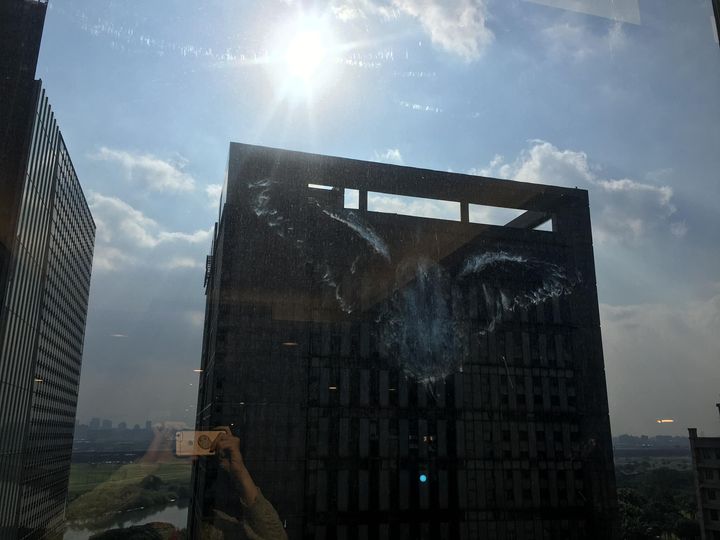
By now, most of us are familiar with stories of wildlife interacting with the modern world, often with unfortunate consequences. Examples include urban foxes struck by vehicles, bears rummaging through trash, and sea turtles entangled in plastic. But there’s a quieter, often unseen danger that claims hundreds of millions of bird lives each year. This is the common window, a source of light for us, but potentially deadly for unsuspecting birds on the wing. Bird-window collisions (or BWCs for short) are a global phenomenon and a growing conservation concern. Birds in flight often fail to perceive clear or reflective glass as a barrier, leading to fatal crashes into windows, especially on modern buildings. Until recently, tracking the scope of this problem, especially in tropical and subtropical regions, has proven difficult. Traditional monitoring methods require trained observers, time-consuming surveys, and, critically, access to fresh bird carcasses, which can vanish quickly in warm, scavenger-rich environments. But in Taiwan, an innovative approach is offering new hope, and it’s coming from an unexpected place: social media.
by Iliyah Maddox | May 1, 2025 | earth and environment, physical sciences
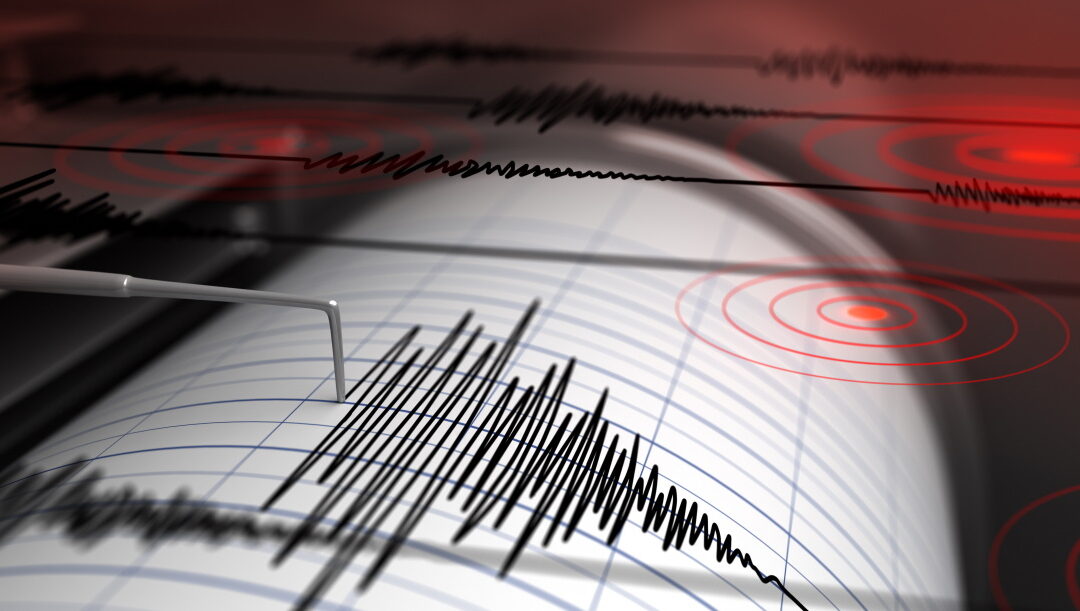
Sitting directly over a complex network of fault lines, Haiti is one of the most earthquake-prone nations on Earth. In 2021, the Nippes earthquake became the latest to devastate the country, and today, researchers are still piecing together the timeline of seismic events which unfolded during the earthquake. Through their research, Professor Jeremy Maurer and colleagues at Missouri University of Science and Technology have described how the Nippes earthquake originated, shifted, and ruptured a major fault line, triggering numerous ‘afterslip’ events in the following days.
by Iliyah Maddox | Feb 26, 2025 | earth and environment
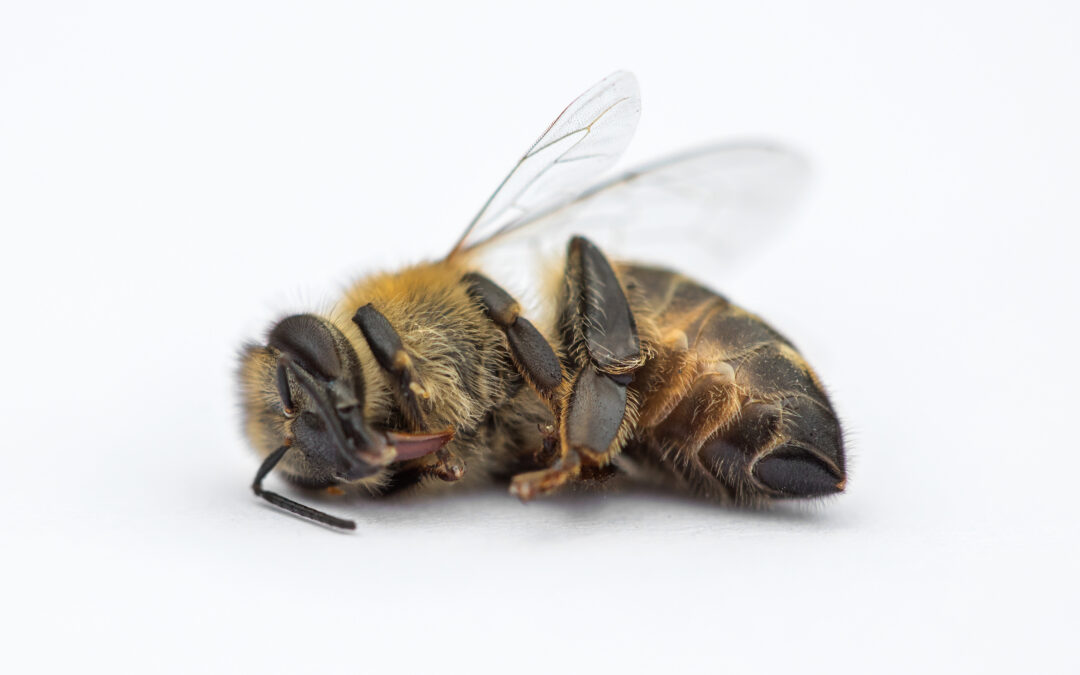
Pollinators, including honey bees, wild bees, butterflies and many other insects, are some of the most important creatures on our planet. By pollinating plants, both wild and cultivated, they have an essential role in maintaining wider ecosystems and ensuring our food security. However, we have come to take them for granted, and don’t fully appreciate their function in ensuring our ongoing survival. Insects are declining at a truly alarming rate. Among other factors human activities such as industrial farming and corresponding insecticide and fungicide use over large areas of land to protect food crops against pests and disease are considered to be major contributors. Many different pesticides have also been detected in honeybee colonies. Scientists are attempting to uncover the specific factors involved in insect decline, before it’s too late. Recent research by Sarah Manzer and colleagues in the research groups of Prof. Ricarda Scheiner and Prof. Ingolf Steffan-Dewenter at the Julius Maximilians Universität Würzburg in Germany has shed new light on a potential culprit: a combination of insecticides and fungicides commonly used in agriculture.
by Iliyah Maddox | Feb 10, 2025 | earth and environment, physical sciences
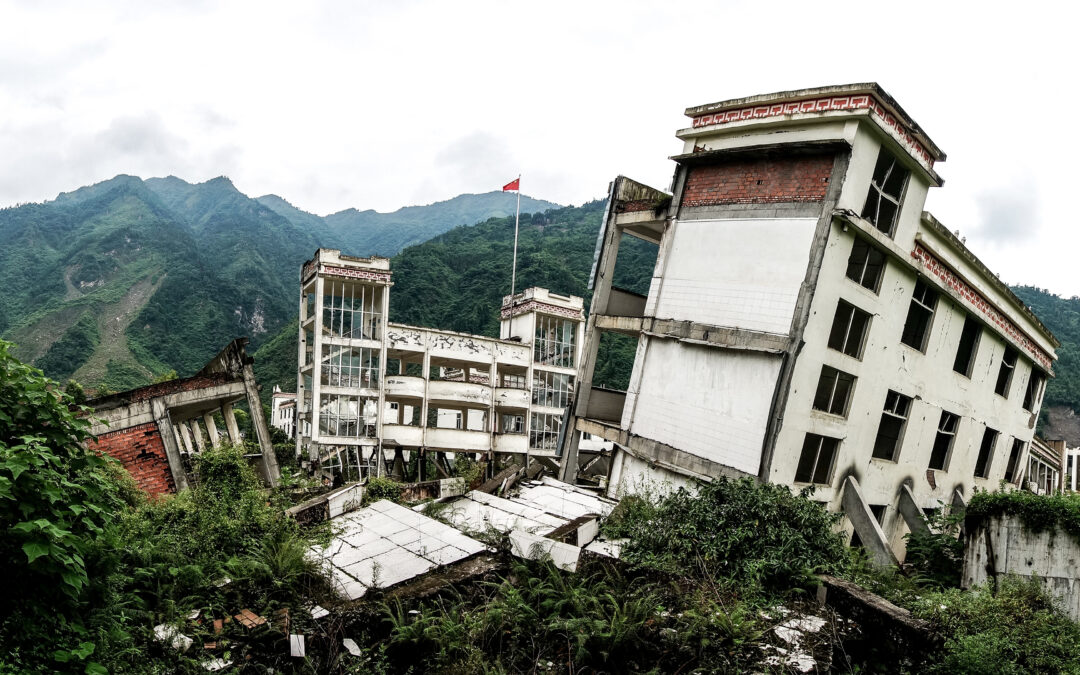
The Sichuan basin in southern China is a region of deep geological and seismological complexity, which has so far prevented researchers from understanding its tectonic past. Through fresh analysis of previous observations, combined with the latest modelling techniques, a team led by Dr. Zhe Su at the National Institute of Natural Hazards, Beijing, suggests for the first time that the entire Sichuan basin is slowly rotating. Their result could explain the origins of one of the deadliest earthquakes in living memory, and could also help seismologists to better predict when earthquakes will strike the region in the future.

by Iliyah Maddox | Jan 27, 2025 | business and economy, earth and environment
Research by Dr. Claudia Ituarte-Lima and Dr. Radu Mares at Lund University examines how a pioneering environmental agreement in Latin America and the Caribbean introduces new ways of protecting nature and human rights. Their study reveals both opportunities and challenges in how this regional treaty interacts with European Union trade laws, offering insights into how different regions can work together to protect the environment and strengthen democracy.
by Iliyah Maddox | Jan 13, 2025 | biology, earth and environment
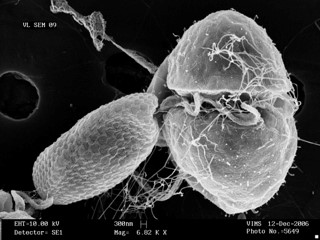
The oceans, huge and brimming with diverse lifeforms, pose no less a struggle for survival for their inhabitants than that faced by creatures on dry land. Evolution has furnished marine organisms with huge array of defensive, and indeed, offensive adaptations to help them to thrive in this battleground. Among the organisms who live and compete in the ocean are dinoflagellates. These are small, single-celled creatures that are an important component of plankton found in marine ecosystems. Despite their tiny size, dinoflagellates such as Karlodinium veneficum can wield potent biochemical weaponry that gives them an edge against other competing organisms. Decades since the discovery of the toxic properties of Karlodinium veneficum, researchers such as Dr. Allen Place of the University of Maryland Center for Environmental Sciences, and his colleagues, have begun to unravel the secrets of its potent toxins, called karlotoxins. Their findings offer fascinating insights into the interactions of marine life and the weapons they adopt to capture prey and deter predators.