by Iliyah Maddox | Oct 21, 2025 | earth and environment
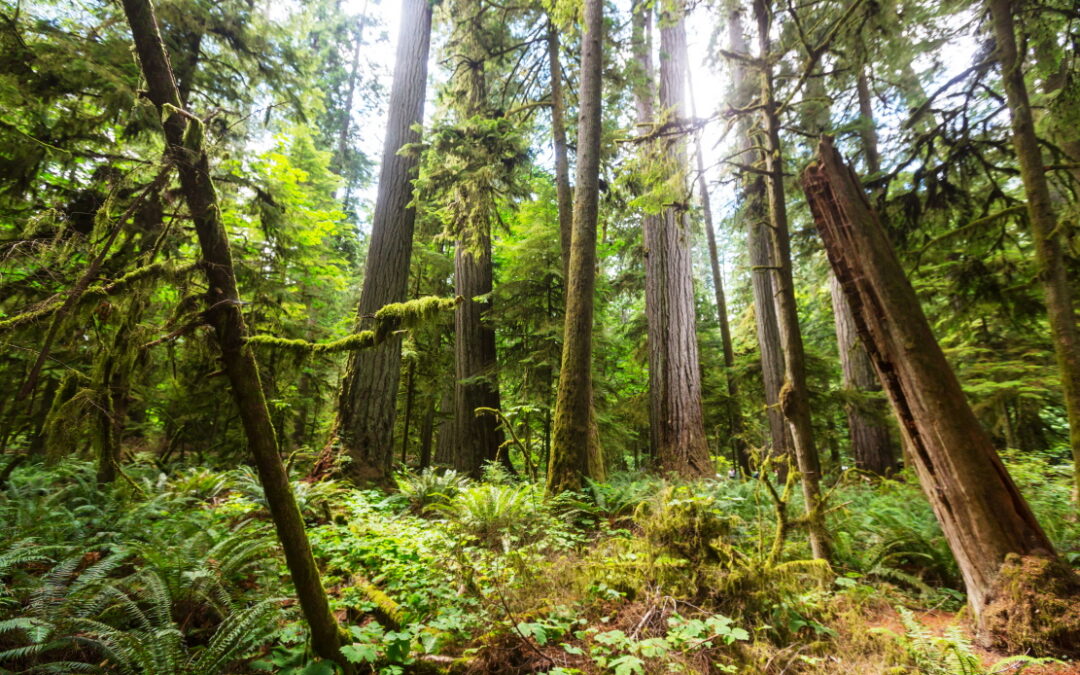
Across North America, the phrase “fuel management” is used almost as often as “climate change” when people talk about wildfires. The idea is simple: forests burn because they are full of fuel, including trees, shrubs, branches, and dried leaves. If you remove some of that material, you make it harder for a wildfire to spread. Provincial governments, towns, and even ski resorts such as Whistler in British Columbia, Canada have invested millions of dollars in “fuel thinning,” which involves sending crews into the woods to cut down trees and haul away brush. While fuel thinning feels like common sense, Dr. Rhonda Millikin, a scientist based in Whistler, and her colleagues have found that what seems like common sense in one type of forest can be dangerously misleading in another. Their research, recently published in the journal Fire, revealed that in Whistler’s coastal rainforests, dense, wet, and shaded ecosystems, fuel thinning often has the opposite effect of what is intended. Instead of making these forests safer, thinning makes them drier, windier, and hotter: exactly the conditions that help wildfires spread.

by Iliyah Maddox | Aug 22, 2025 | arts and humanities, business and economy, earth and environment
Research from Dr. Bernhard Reinsberg at the University of Glasgow and Dr. Christoph Valentin Steinert at the University of Zurich reveals how France’s groundbreaking mandatory due diligence law defied business predictions of economic harm. Through analysis of 11,504 French companies over fifteen years, their study demonstrates that requiring firms to monitor human rights and environmental standards in their supply chains had no significant impact on profitability. Their findings challenge widespread industry claims that such regulations threaten competitiveness and provide crucial evidence for policymakers considering similar legislation worldwide.
by Iliyah Maddox | Aug 21, 2025 | earth and environment
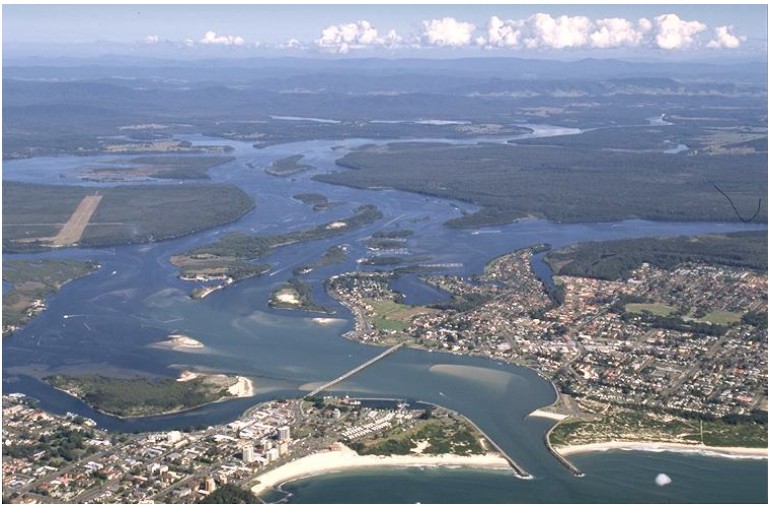
Training walls and entrance breakwaters have long been used to keep estuary entrances clear of shoals that threaten boat navigation and increase flood risks for nearby communities. But new research by Alexander Nielsen of Worley Consulting and coastal engineer Angus Gordon reveals that these structures may be causing long-term damage. Their study uncovers how engineered inlets are reshaping the flow of water through estuaries, disrupting wetland ecosystems and triggering costly maintenance challenges.
by Iliyah Maddox | Jul 24, 2025 | earth and environment, engineering and tech
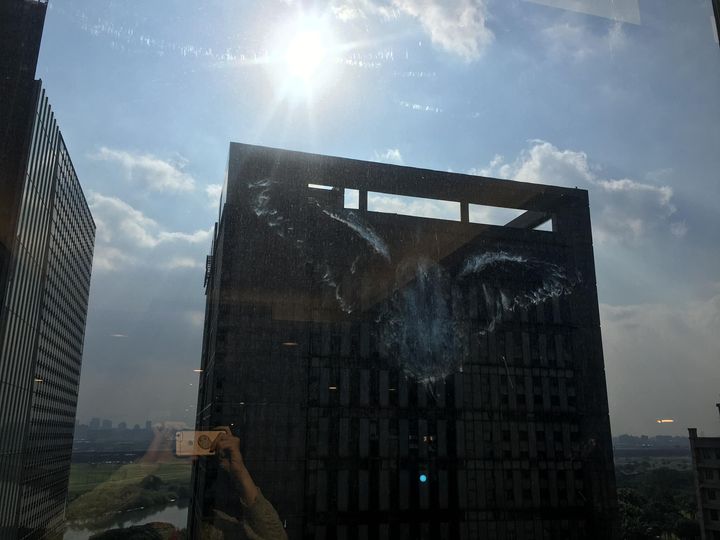
By now, most of us are familiar with stories of wildlife interacting with the modern world, often with unfortunate consequences. Examples include urban foxes struck by vehicles, bears rummaging through trash, and sea turtles entangled in plastic. But there’s a quieter, often unseen danger that claims hundreds of millions of bird lives each year. This is the common window, a source of light for us, but potentially deadly for unsuspecting birds on the wing. Bird-window collisions (or BWCs for short) are a global phenomenon and a growing conservation concern. Birds in flight often fail to perceive clear or reflective glass as a barrier, leading to fatal crashes into windows, especially on modern buildings. Until recently, tracking the scope of this problem, especially in tropical and subtropical regions, has proven difficult. Traditional monitoring methods require trained observers, time-consuming surveys, and, critically, access to fresh bird carcasses, which can vanish quickly in warm, scavenger-rich environments. But in Taiwan, an innovative approach is offering new hope, and it’s coming from an unexpected place: social media.
by Iliyah Maddox | May 1, 2025 | earth and environment, physical sciences
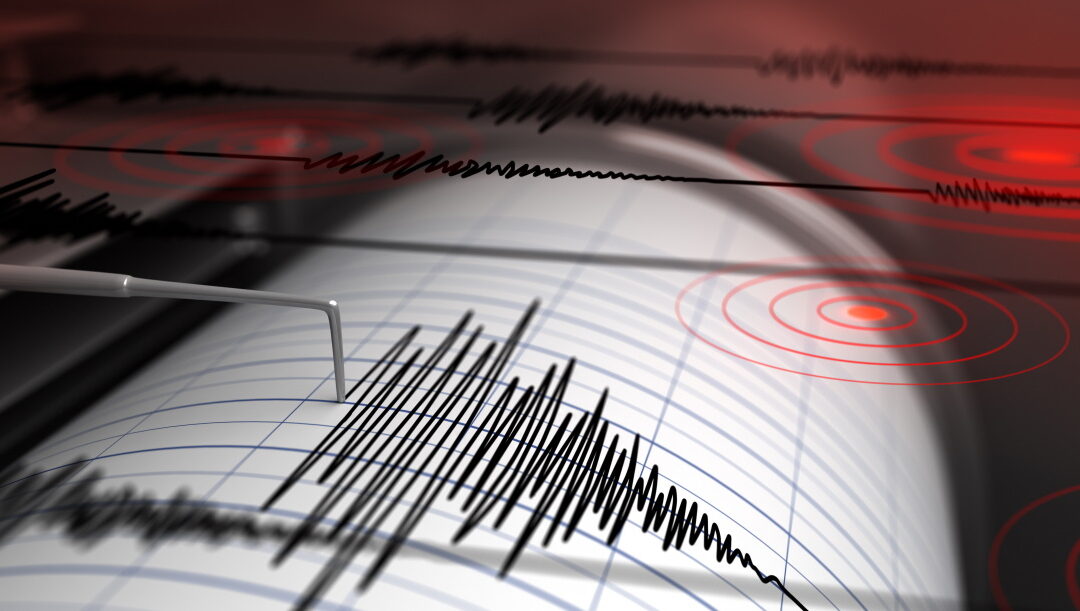
Sitting directly over a complex network of fault lines, Haiti is one of the most earthquake-prone nations on Earth. In 2021, the Nippes earthquake became the latest to devastate the country, and today, researchers are still piecing together the timeline of seismic events which unfolded during the earthquake. Through their research, Professor Jeremy Maurer and colleagues at Missouri University of Science and Technology have described how the Nippes earthquake originated, shifted, and ruptured a major fault line, triggering numerous ‘afterslip’ events in the following days.
by Iliyah Maddox | Feb 26, 2025 | earth and environment
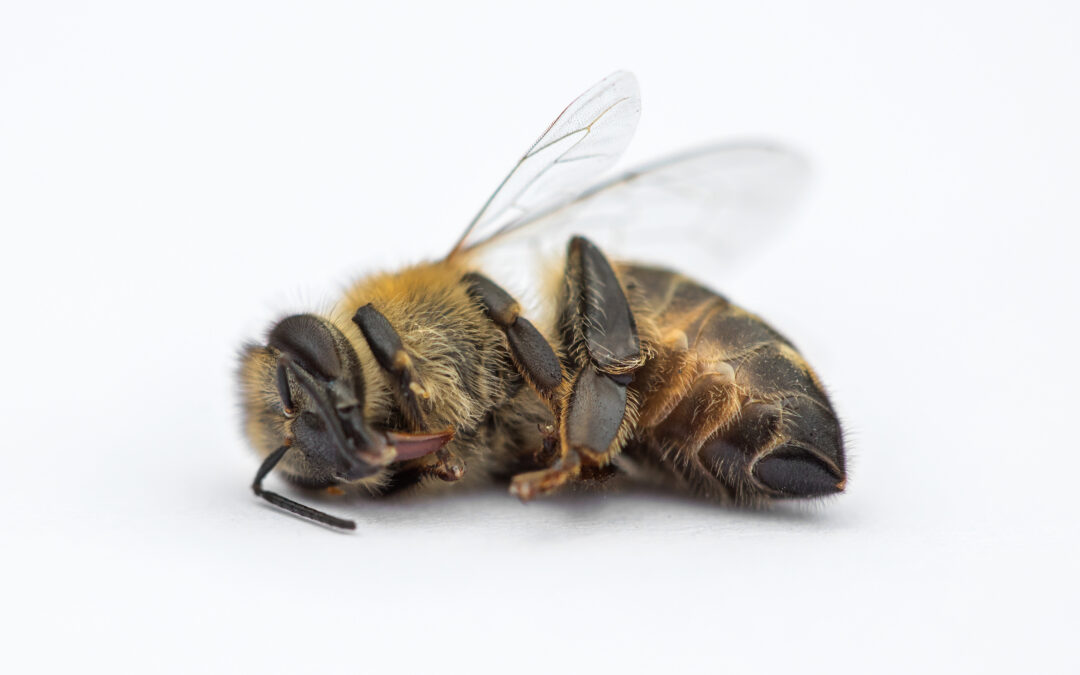
Pollinators, including honey bees, wild bees, butterflies and many other insects, are some of the most important creatures on our planet. By pollinating plants, both wild and cultivated, they have an essential role in maintaining wider ecosystems and ensuring our food security. However, we have come to take them for granted, and don’t fully appreciate their function in ensuring our ongoing survival. Insects are declining at a truly alarming rate. Among other factors human activities such as industrial farming and corresponding insecticide and fungicide use over large areas of land to protect food crops against pests and disease are considered to be major contributors. Many different pesticides have also been detected in honeybee colonies. Scientists are attempting to uncover the specific factors involved in insect decline, before it’s too late. Recent research by Sarah Manzer and colleagues in the research groups of Prof. Ricarda Scheiner and Prof. Ingolf Steffan-Dewenter at the Julius Maximilians Universität Würzburg in Germany has shed new light on a potential culprit: a combination of insecticides and fungicides commonly used in agriculture.
Page 2 of 29«12345...1020...»Last »