
Dr Gabrielle Gold-von Simson | The Biomedical Entrepreneurship Skills Development Program (BEEP): Educating a New Generation of Medical Innovators
Original Article Reference
This SciPod is a summary of https://doi.org/10.33548/SCIENTIA815
About this episode
Innovative, new technologies are rapidly being introduced into the medical world, as scientists and inventors continually discover solutions to all kinds of health issues. However, comprehensive education in medical product development, business process and strategy is distinctly lacking for science students who aspire to become commercial medical innovators and entrepreneurs. Entrepreneurially minded professionals at the New York University Grossman School of Medicine developed, implemented, and integrated programs to train early scientists in the business side of science to accelerate the pace of commercialisation and encourage individuals to pursue venture creation and entrepreneurship to impact highly relevant healthcare solutions.
This work is licensed under a Creative Commons Attribution 4.0 International License. 
What does this mean?
Share: You can copy and redistribute the material in any medium or format
Adapt: You can change, and build upon the material for any purpose, even commercially.
Credit: You must give appropriate credit, provide a link to the license, and indicate if changes were made.
More episodes

Professor Theodore Allen | From Sanitizers to Social Media: The Hidden Science Behind Everyday Choices
When most people think of scientific research, they may imagine test tubes, lab coats, and microscopes. However, many impactful experiments happen not in laboratories, but in office buildings, student unions, and even on social media. In two fascinating studies co-authored by Professor Theodore Allen of The Ohio State University, researchers show how the same rigorous logic that drives cutting-edge chemistry or physics can be applied to practical, everyday challenges, such as where to place a hand sanitizer dispenser or how to convince someone to get vaccinated. The studies, though different in their subjects, share a common theme that data and careful experimental design can make the world cleaner, healthier, and more humane.
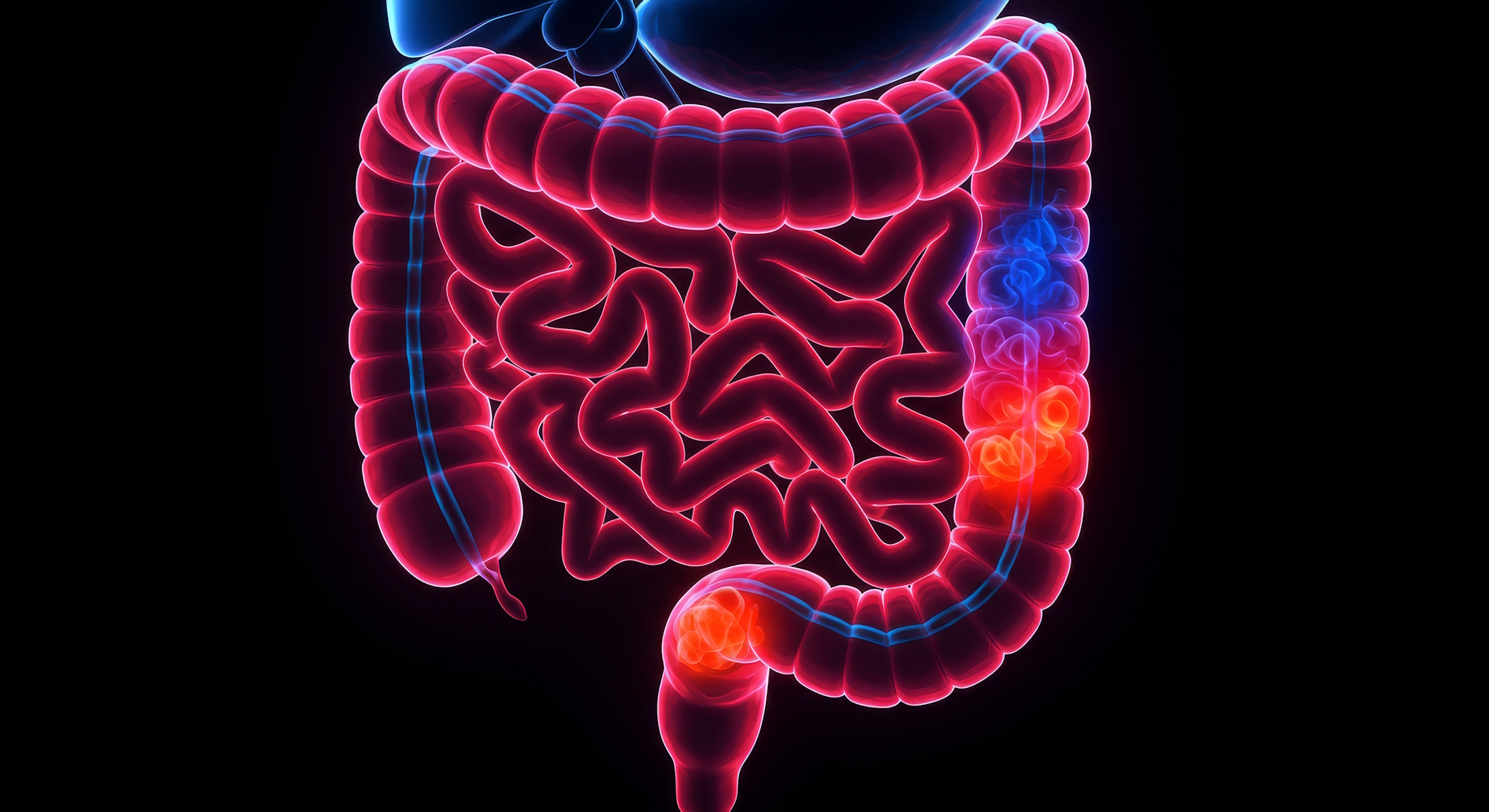
Prof. Dr. Christopher Gerner | Colitis ulcerosa und die verborgene Logik chronischer Erkrankungen
Colitis ulcerosa, oft als UC bezeichnet, ist eine chronisch-entzündliche Erkrankung des Dickdarms, die weltweit immer häufiger auftritt, auch bei Jugendlichen und jungen Erwachsenen. Für viele Patientinnen und Patienten beginnt sie mit subtilen Warnzeichen wie Bauchbeschwerden, Durchfall, Müdigkeit oder Spuren von Blut im Stuhl. Im Laufe der Zeit können sich diese Symptome zu schmerzhaften und beängstigenden Schüben entwickeln, die Ausbildung, Karriere, Familienleben und das emotionale Wohlbefinden beeinträchtigen. Obwohl die moderne Medizin bemerkenswert wirksam darin geworden ist, diese akuten Krankheitsepisoden zu kontrollieren, bleibt UC hartnäckig bestehen. Bei den meisten Betroffenen kehrt die Erkrankung nach Phasen scheinbarer Erholung zurück, manchmal ohne einen offensichtlichen äußeren Auslöser.
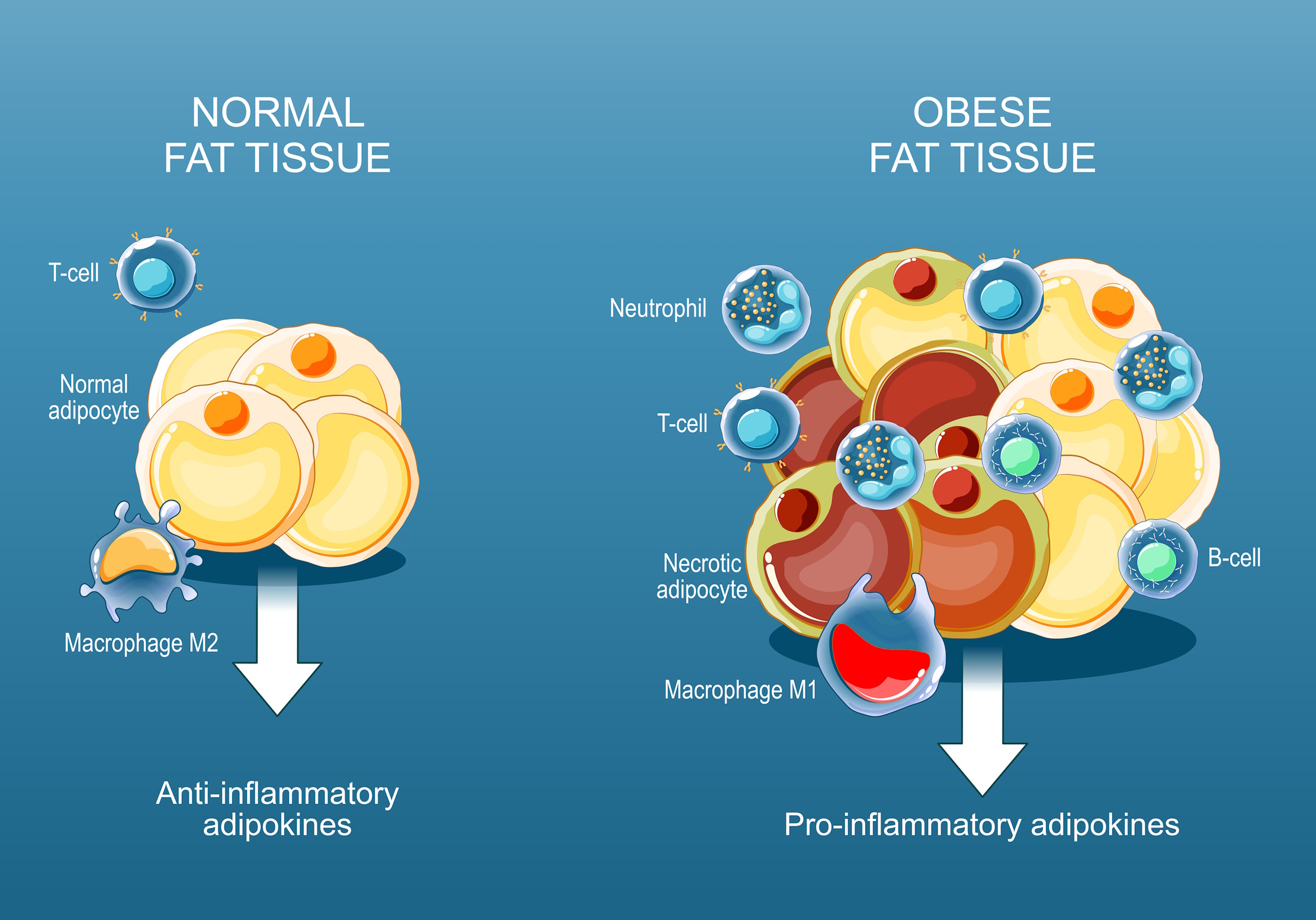
Prof. Jamie Rausch | The Hidden Life of Fat: How Adipose Tissue Shapes Health Across a Lifetime
For much of modern history, body fat was viewed simply as stored energy, a passive reserve that expanded or shrank depending on diet and activity. Today, that understanding has shifted dramatically. Research led by scholars such as Prof. Jamie Rausch of Indiana University reveals that adipose tissue is not merely a storage site but a dynamic, hormone-producing system that influences nearly every aspect of human health. When this system becomes dysregulated, it can quietly set the stage for chronic diseases that affect millions worldwide.

Jenni AI: Preserving academic integrity in an age of AI-written text
As generative AI becomes ever more convincing at mimicking human text, many universities and academic institutions have come to rely on AI detection tools to police academic integrity. However, recent research has clearly demonstrated that these tools are not only ineffective, they are also amplifying systematic injustices in academia. Jenni AI presents a smarter workspace for drafting, citing, and proofreading: helping students and researchers make the best possible use of AI tools while ensuring their academic integrity is preserved.
Increase the impact of your research
• Good science communication helps people make informed decisions and motivates them to take appropriate and affirmative action.
• Good science communication encourages everyday people to be scientifically literate so that they can analyse the integrity and legitimacy of information.
• Good science communication encourages people into STEM-related fields of study and employment.
• Good public science communication fosters a community around research that includes both members of the public, policymakers and scientists.
• In a recent survey, 75% of people suggested they would prefer to listen to an interesting story than read it.
Step 1 Upload your science paper
Step 2 SciPod script written
Step 3 Voice audio recorded
Step 4 SciPod published