Dr Bruno Basso – Improving Agricultural Sustainability with Digital Technology
Original Article Reference
This SciPod is a summary of the paper:
Share Episode

About this episode
In recent decades, advancements in agricultural practices have made the large-scale production of cheap and nutritious food possible. However, these practices are often damaging to the environment, making them unsustainable in the long term. Technology is now sufficiently developed that many of these environmental impacts can be reduced or mitigated, by using ‘big data’ to inform farming management decisions. Dr Bruno Basso from Michigan State University and his network of researchers have been exploring how digital technologies could usher in a new era of sustainable agriculture that balances competing economic and social interests while minimising trade-offs.
This work is licensed under a Creative Commons Attribution 4.0 International License. 
What does this mean?
Share: You can copy and redistribute the material in any medium or format
Adapt: You can change, and build upon the material for any purpose, even commercially.
Credit: You must give appropriate credit, provide a link to the license, and indicate if changes were made.
Related episodes

Lighting the Path: How the GlioLighT Consortium Is Exploring New Ways to Treat Brain Tumours
Across the world, scientists are still trying to answer one of medicine’s most difficult questions: how can we safely and effectively treat brain cancers such as glioma? Despite decades of effort, outcomes for people diagnosed with high-grade glioma remain bleak. Current treatments, including surgery, radiotherapy, and chemotherapy, can slow the disease, but rarely stop it. The GlioLighT consortium, a multidisciplinary European research team funded by the European Innovation Council, has come together to explore a novel approach based on direct light therapy. Being in a very early stage, the project doesn’t promise an immediate cure; instead, it sets out to answer a very fundamental question: can light itself trigger biological processes that might form the basis of a safe and targeted brain tumor therapy?
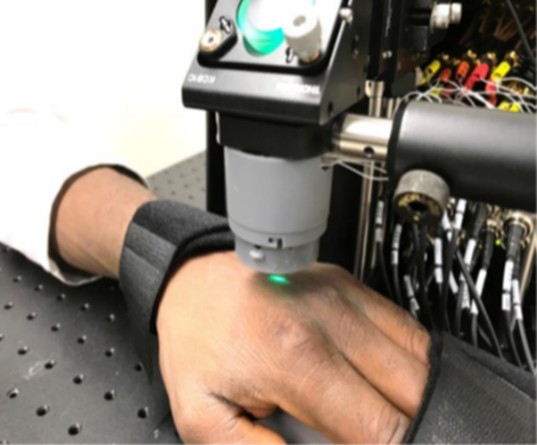
Prof. Vladimir Zharov | Detecting Malaria with Light and Sound Without Blood Draw Can Transform Global Health
For centuries, malaria has been one of the deadliest diseases on the planet. Nearly half of the world remains at risk of malaria with more than half a million deaths each year, most of them in children. While some progress has been made in controlling malaria and developing a vaccine, this has stalled recently, with a growing number of deaths since 2019. At the heart of the challenge is the lack of non-invasive and rapid diagnostic technologies for malaria, which are urgently needed, especially in remote or low-resource areas with limited healthcare infrastructure. Happily, a new frontier in medical technology is offering hope, in the form of the Cytophone, a revolutionary device that can detect malaria through the skin without drawing a single drop of blood. This innovation, developed by a team led by Prof. Vladimir Zharov at the University of Arkansas for Medical Sciences and licensed to Cytoastra for further commercialization, represents a leap forward not just in malaria diagnostics, but in how we might monitor disease altogether.
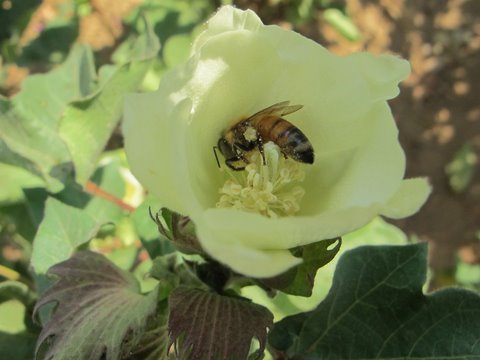
Professor Keith Solomon – Dr. Gladys Stephenson | The Weight of Evidence: Brought Clarity to the Buzz About Pesticides and Pollinators
Modern environmental science faces a curious paradox. We have more data than ever, but less certainty. For scientists, policymakers, and the public alike, the sheer volume of studies, each with its own assumptions, experimental conditions, and interpretations, can be overwhelming. Which studies are trustworthy? Which deserve more weight when making decisions about environmental safety? This question has haunted environmental toxicologists who were trying to determine whether pesticides were harming pollinators such as honeybees. Some studies could show significant impacts while others may show minimal effects. Such inconsistencies can fuel the debate over insecticides like neonicotinoids and lead to public confusion. To address this, Professor Keith Solomon, an environmental toxicologist at the University of Guelph, and colleagues set out to bring structure and clarity to the field. Their goal was not to silence debate, but to create a rigorous, transparent, and quantitative framework for evaluating scientific evidence. The result was a methodology called the Quantitative Weight of Evidence, or QWoE.

Dr. Ossénatou Mamadou | Understanding turbulence in the lower atmosphere above West Africa
West Africa’s climate is constantly being shaped by interactions between the ground and the lower atmosphere, where instabilities can give rise to unpredictable turbulence. Guided by extensive weather observations, a team led by Dr. Ossénatou Mamadou at the University of Abomey-Calavi, Benin, has gained important insights into when and how these instabilities occur, and how well they can be predicted by existing theories. Their findings could help climatologists improve weather forecasts in the region and better understand how West Africa might respond to a changing climate.
Increase the impact of your research
• Good science communication helps people make informed decisions and motivates them to take appropriate and affirmative action.
• Good science communication encourages everyday people to be scientifically literate so that they can analyse the integrity and legitimacy of information.
• Good science communication encourages people into STEM-related fields of study and employment.
• Good public science communication fosters a community around research that includes both members of the public, policymakers and scientists.
• In a recent survey, 75% of people suggested they would prefer to listen to an interesting story than read it.
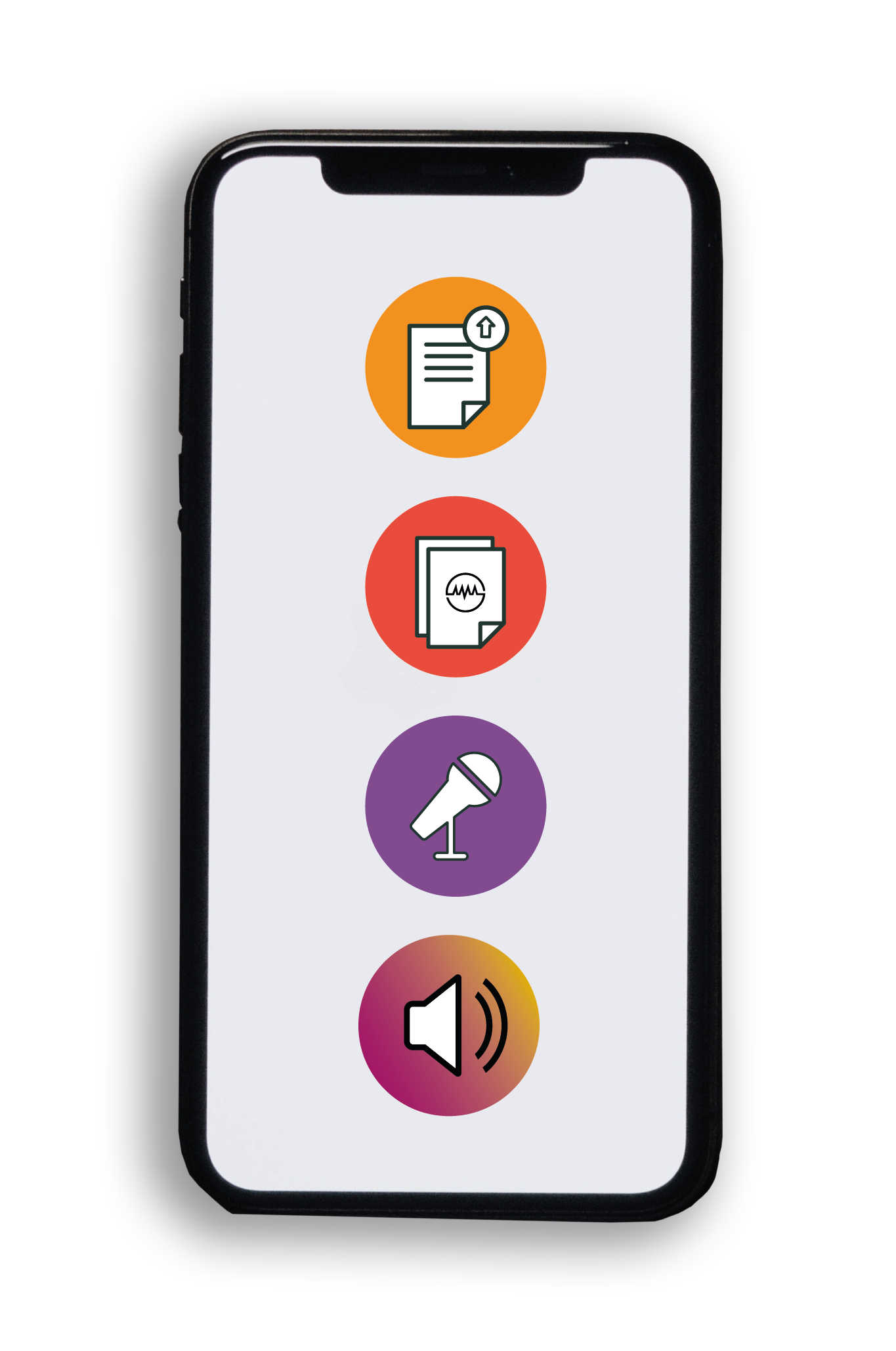
Step 1 Upload your science paper
Step 2 SciPod script written
Step 3 Voice audio recorded
Step 4 SciPod published