
Building the STEM Students We Need – University of San Diego
Original Article Reference
https://doi.org/10.33548/SCIENTIA475
Share Episode

About this episode
Despite recent efforts to promote diversity in STEM education and professional environments, some ethnic groups remain highly underrepresented in STEM fields, including the Hispanic/LatinX community. To tackle this underrepresentation, researchers at the University of San Diego have created a multi-dimensional program funded by the National Science Foundation called STEMWoW, which is designed to promote and sustain interest in STEM disciplines among middle school students from underserved communities.
This work is licensed under a Creative Commons Attribution 4.0 International License. 
What does this mean?
Share: You can copy and redistribute the material in any medium or format
Adapt: You can change, and build upon the material for any purpose, even commercially.
Credit: You must give appropriate credit, provide a link to the license, and indicate if changes were made.
Related episodes

Professor François Vialard | Unraveling Azoospermia: Using Genetics to Avoid Futile Sperm Extraction
For many couples struggling to conceive, a male infertility diagnosis can feel like a closed door. Roughly half of all infertility cases worldwide stem from male factors, and among these, one of the most frustrating conditions is non-obstructive azoospermia (or NOA for short), a complete absence of sperm caused not by a physical blockage but by a failure of sperm production itself. Until recently, most men with NOA were offered a potentially painful and uncertain procedure called testicular sperm extraction (or TESE). In this surgery, doctors search directly within the testis for a few viable sperm cells that can be used for in vitro fertilization. When successful, the results can be life-changing. When unsuccessful, it is physically invasive, emotionally draining, and often repeated several times in vain.

Prof. Jim Oates | When Blood Vessels Speak: How Lupus Turns the Body’s Gatekeepers into Active Messengers of Inflammation
You may imagine your vasculature as a vast and silent network of tubes, dutifully carrying blood, oxygen, and nutrients to every organ and tissue. These vessels seem purely mechanical, like plumbing hidden behind walls, doing their job quietly and invisibly. Yet modern biology has revealed a far richer and more surprising reality. Blood vessels are lined with living, sensing, responding cells called endothelial cells, and these cells are anything but passive. They listen to chemical signals, respond to stress, regulate traffic, and communicate constantly with the immune system.
Roos van de Logt | Hidden Engineers: How Earthworms Could Help Us Weather a Changing Climate
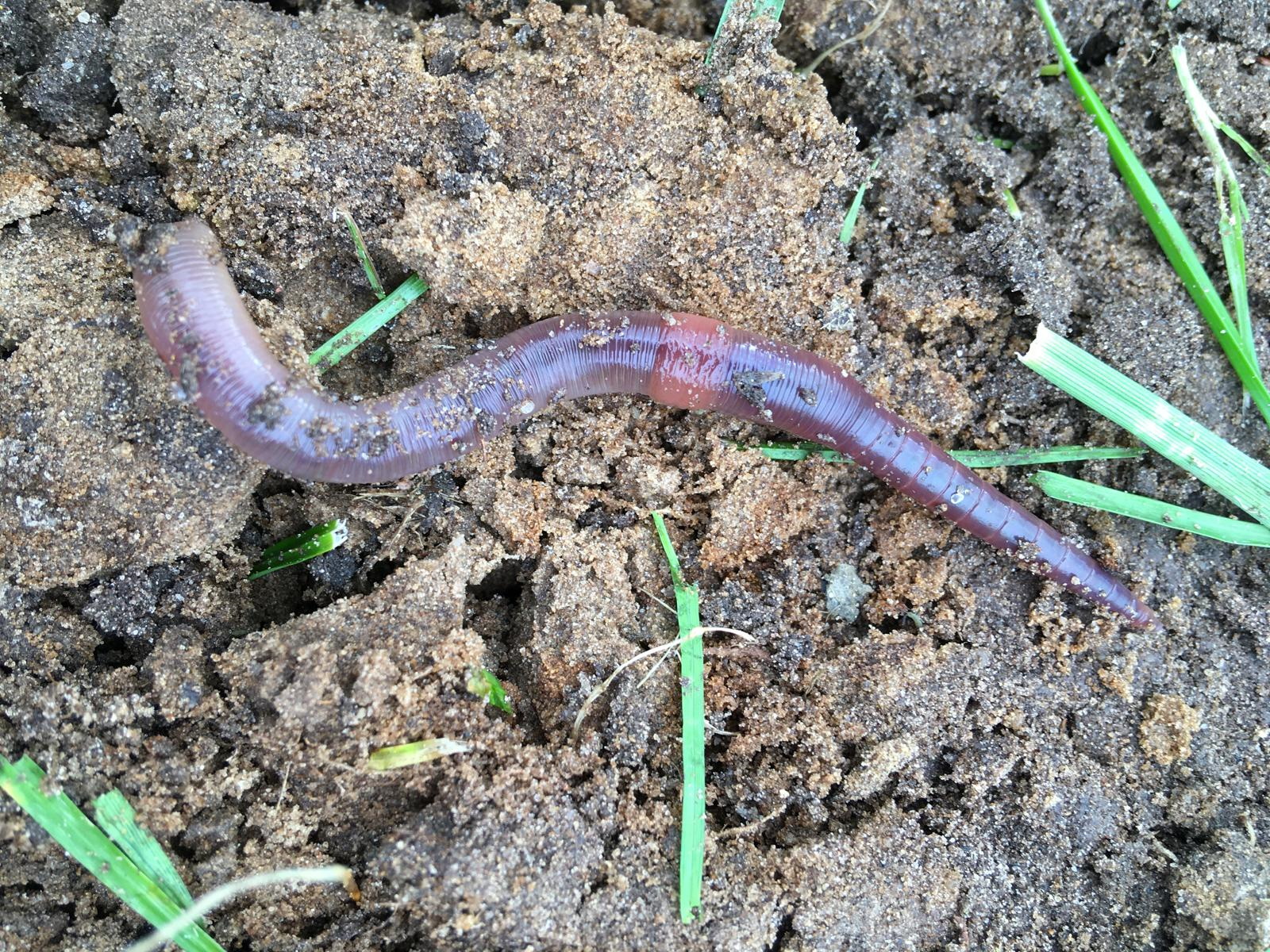
If you were to observe a quiet Dutch pasture, you might not guess that one of the most important climate-resilience workers in the landscape is silently engineering the soil beneath the grass. However, just below your feet, an unassuming creature plays a role in buffering floods, preserving crops during droughts, and quietly maintaining the natural plumbing system of the land. This creature is the humble deep-burrowing earthworm, Lumbricus terrestris (or L. terrestris for short). In recent years, researcher Roos van de Logt of the Louis Bolk Institute, and colleagues, have been uncovering the surprisingly complex story of this earthworm. Their findings suggest that supporting, and in some cases reintroducing, L. terrestris could be a powerful, nature-based tool for helping European grasslands adapt to intensifying climate extremes.
Associate Professor Adeniyi Charles Adeola | History Written in Base-Pairs: The Hidden Stories in African Pig Genomes
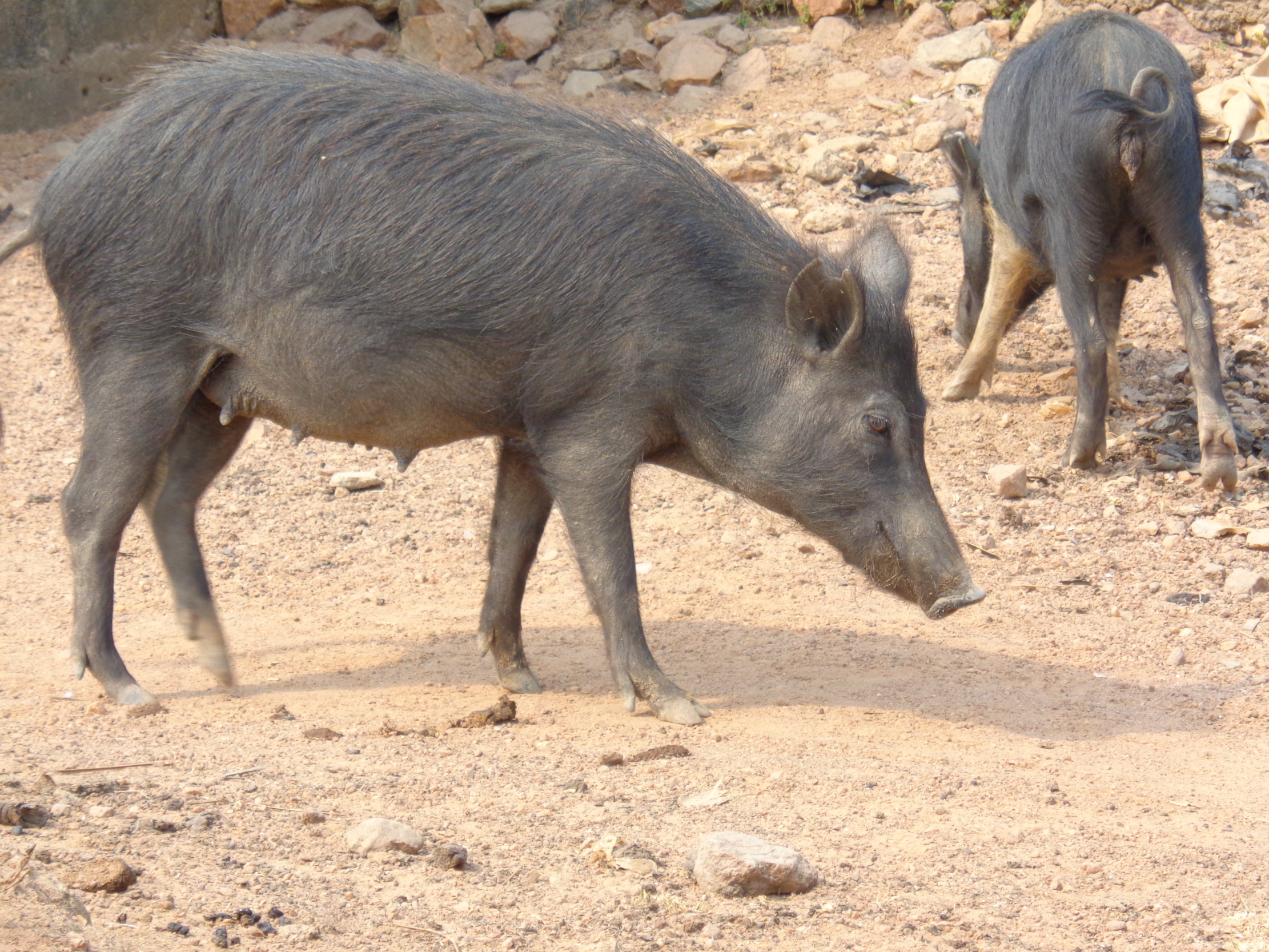
Africa is often described as a continent of extremes. Vast deserts give way to lush rainforests; humid coastlines sit beside high, cool plateaus; ancient savannas stretch for thousands of kilometers. Life in Africa has always existed at the edge of change, shaped by heat and drought, abundance and scarcity. Survival here has never been guaranteed, it has had to be earned, generation by generation, through adaptation. Nowhere is this long story of adjustment and resilience written more clearly than in DNA.
Increase the impact of your research
• Good science communication encourages everyday people to be scientifically literate so that they can analyse the integrity and legitimacy of information.
• Good science communication encourages people into STEM-related fields of study and employment.
• Good public science communication fosters a community around research that includes both members of the public, policymakers and scientists.
• In a recent survey, 75% of people suggested they would prefer to listen to an interesting story than read it.
Step 1 Upload your science paper
Step 2 SciPod script written
Step 3 Voice audio recorded
Step 4 SciPod published