
Biological Mechanisms Link Smoking, Lung Cancer and Ethnicity – Professor Stephen Hecht and Colleagues
Original Article Reference
https://doi.org/10.26320/SCIENTIA216
Share Episode

About this episode
This work is licensed under a Creative Commons Attribution 4.0 International License. 
What does this mean?
Share: You can copy and redistribute the material in any medium
or format
Adapt: You can change, and build upon the material for any
purpose, even commercially.
Credit: You must give appropriate credit, provide a link to the
license, and indicate if changes were made.
Related episodes

Prof. Dharambir Sanghera | The Hidden Genetics of Type 2 Diabetes: What Indian Families Are Teaching Us About Disease Risk
Type 2 diabetes has become one of the defining health challenges of our time. Hundreds of millions of people worldwide are living with the disease, and the numbers continue to climb. While unhealthy diets, reduced physical activity, and increasing rates of obesity have all contributed to this growing epidemic, they tell only part of the story. Genetics also plays an important role, influencing why some people develop diabetes while others remain healthy despite living similar lifestyles.
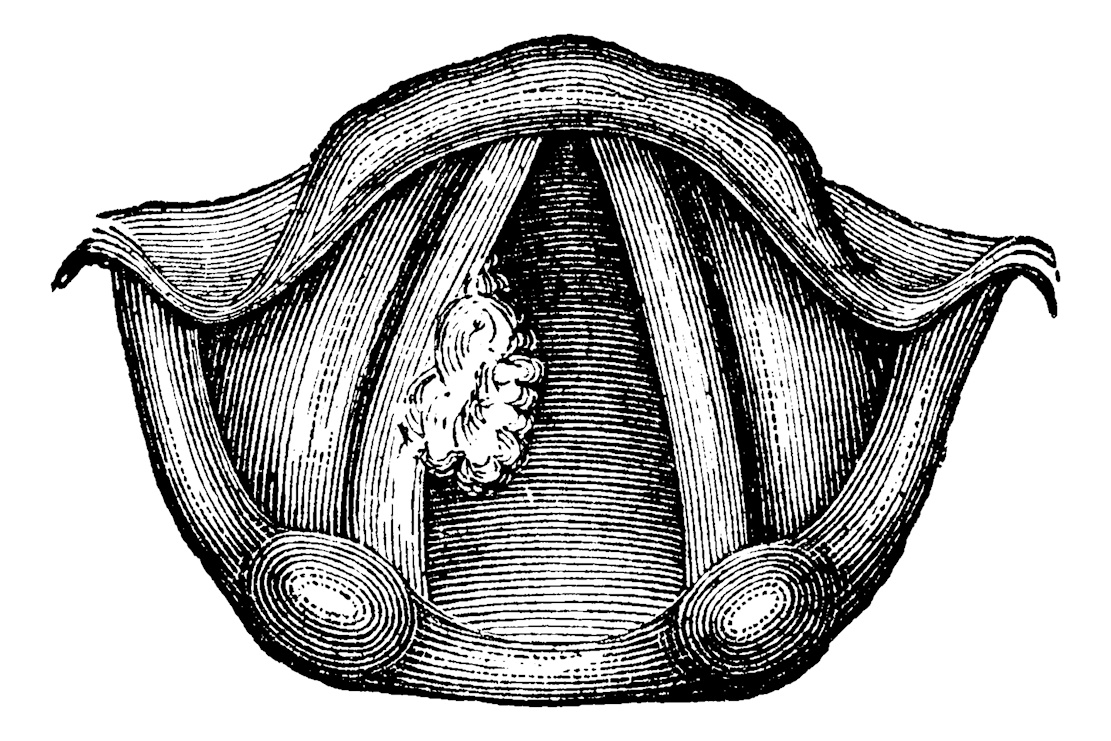
Prof. Dr. Dietmar Thurnher | Von der Stille zum Überleben: 150 Jahre Laryngektomie und die Zukunft der Stimme
Im späten neunzehnten Jahrhundert stand die Medizin an der Schwelle zwischen Verzweiflung und Entdeckung. Krebs des Kehlkopfes, jener Struktur, die uns die Stimme verleiht und unsere Atemwege schützt, verlief fast immer tödlich. Chirurgen verfügten nur über wenige Werkzeuge und noch weniger Erfolge. Dann veränderte im Jahr 1873 eine mutige und kontroverse Operation alles. Theodor Billroth führte die erste totale Laryngektomie durch und entfernte einem menschlichen Patienten den gesamten Kehlkopf. Es war ein radikaler Eingriff, der ein Leben rettete – allerdings um den Preis des Sprachvermögens und der natürlichen Atmung. Dieser Moment markierte den Beginn einer langen und sich stetig weiterentwickelnden Reise in der Behandlung von Kopf-Hals-Karzinomen.
Prof. Peter Littrup | The Future of Cancer Care May Already Be Here, and May Hold Faster Promise for Neurologic Diseases
For decades, cancer treatment has followed a familiar path. A tumor is found, surgery removes it, radiation burns what remains, and chemotherapy or immunotherapy attempts to destroy cells that may have spread elsewhere. These treatments have saved countless lives, yet they often come with immense physical, emotional, and financial costs. Many patients endure fatigue, pain, scarring, organ damage, mounting bills and lifelong side effects. However, the extraordinary advances of modern medicine have often included the commercial viability of a proven medical product, regardless of its cost and accessibility. The dream of a gentler, more precise, and more effective cancer treatment has remained elusive.

Prof. Vibeke Vågenes – Cecilie Grevstad | When a Monthly Cycle Becomes a Barrier: Why Menstrual Health Matters for Girls’ Education in Tanzania
For millions of girls around the world, education represents hope. It offers the possibility of independence, financial security, improved health, and the chance to shape a different future from previous generations. Yet for many girls, the path to education is filled with obstacles that receive little attention. Some are obvious, such as poverty or long journeys to school. Others are far less visible, hidden behind silence, embarrassment and social expectations. One of the most overlooked is menstruation.
Increase the impact of your research
• Good science communication encourages everyday people to be scientifically literate so that they can analyse the integrity and legitimacy of information.
• Good science communication encourages people into STEM-related fields of study and employment.
• Good public science communication fosters a community around research that includes both members of the public, policymakers and scientists.
• In a recent survey, 75% of people suggested they would prefer to listen to an interesting story than read it.

Upload your science paper
Step 2
SciPod script written
Step 3
Voice audio recorded
Step 4
SciPod published