
Arts and Humanities
Explore Arts and Humanities
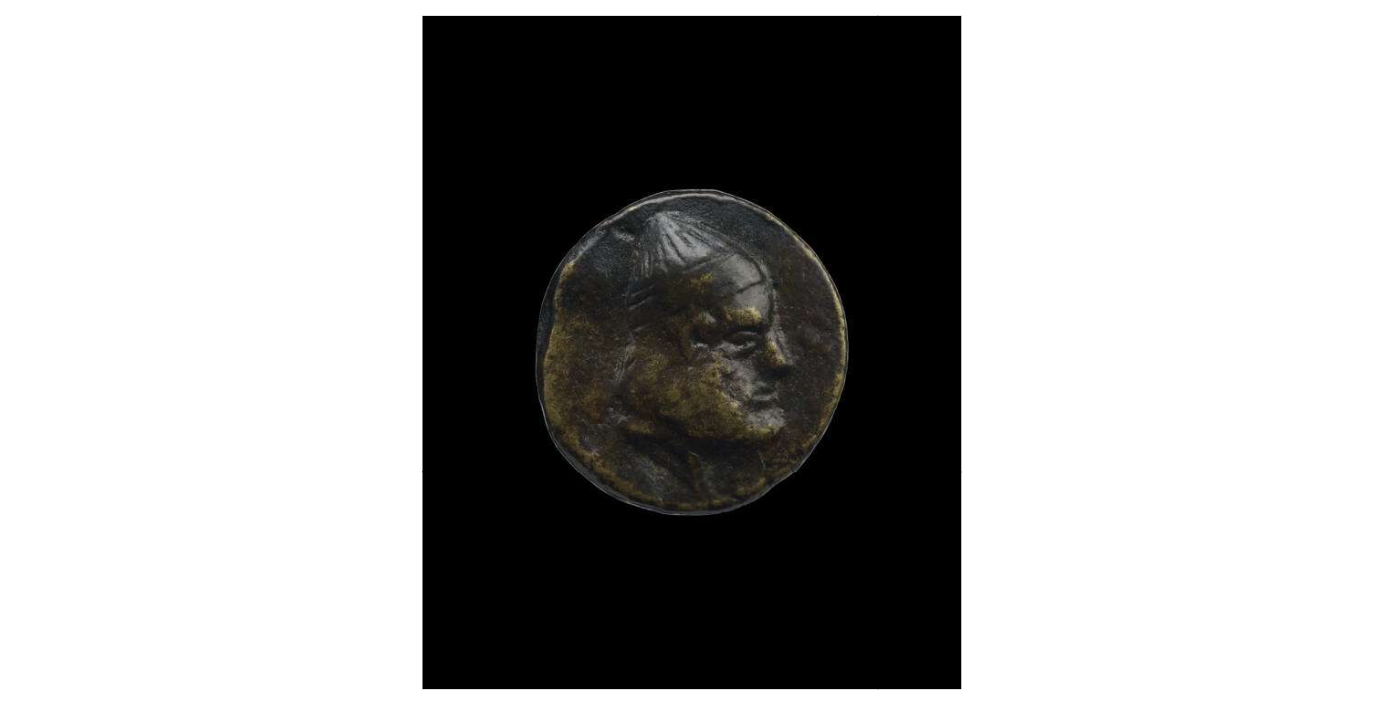
Dr Laura Perucchetti | How Researchers at the British Museum Detected and Tested Greek Coin Forgeries
Laura Perucchetti and colleagues at the British Museum have uncovered a group of skilfully crafted counterfeit ancient coins that may be one of the earliest examples of forgers using scientific analysis to dupe collectors. By examining the composition of the coins and comparing them with genuine artefacts, experts believe the forgers deliberately used ancient metal to avoid detection. The findings highlight the long history of a cat and mouse game between forgers and analysts, and the need for vigilance in verifying the authenticity of even the most convincing pieces.

Dr Jerome Premmereur | What Spinoza Can Help us Understand About Extreme Radicalism
In a novel exploration of human radicalism, defined by governments as violent attacks, Dr Jerome Premmereur, a cardiologist and a clinical research expert based in the United States, draws on the philosophy of Baruch Spinoza to propose innovative solutions to the pressing societal issue of terrorism. His new book, “A Biological, Psychological and Philosophical Approach to Human Nature and Radicalism”, examines radicalism through the lens of human biology and Spinoza’s concepts, offering a comprehensive approach to understanding and mitigating extremism. Premmereur argues that radicalism is an inherent part of human nature, but can be addressed through a holistic strategy encompassing education, politics, balanced laws, healthcare, and economic stability. By revisiting ancient Greek democracy and applying Spinoza’s ideas to modern challenges, Premmereur presents an optimistic vision, although challenging in practice, to reduce extremism and create a better world.

Professor Penelope Corfield | Key Changes in Daily Greetings in 18th Century Britain
In 18th century Britain, the old tradition of deep bowing and curtseying as a form of greeting slowly evolved into a brief touch of the cap or head (for men), or quick bob of the body (for women). Simultaneously, a new form of urban greeting was emerging: the handshake. How and why did the handshake gain such popularity, becoming our most standard greeting today? This phenomenon is explored in a new essay published in the journal Urban History and authored by Professor Penelope Corfield of London University.
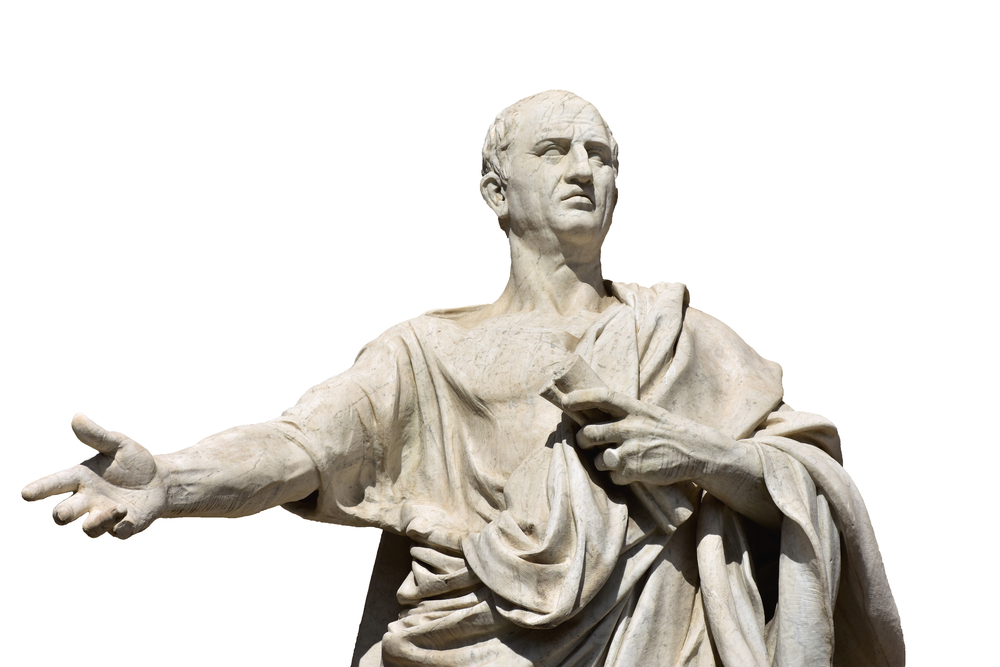
Dr Ceccherini-Nelli | What Makes Great Orators’ Speeches Effective and Persuasive?
Since ancient Greek civilization, we have sought to identify what makes some people more effective and persuasive orators than others. Studies have suggested that this might be related to rhythmic patterns in certain speech, but evidence is limited. Dr. Ceccherini-Nelli of the University of Alberta conducted a study with his colleagues to explore this. They looked at the patterns present in political speeches and conducted experiments to determine their effects.
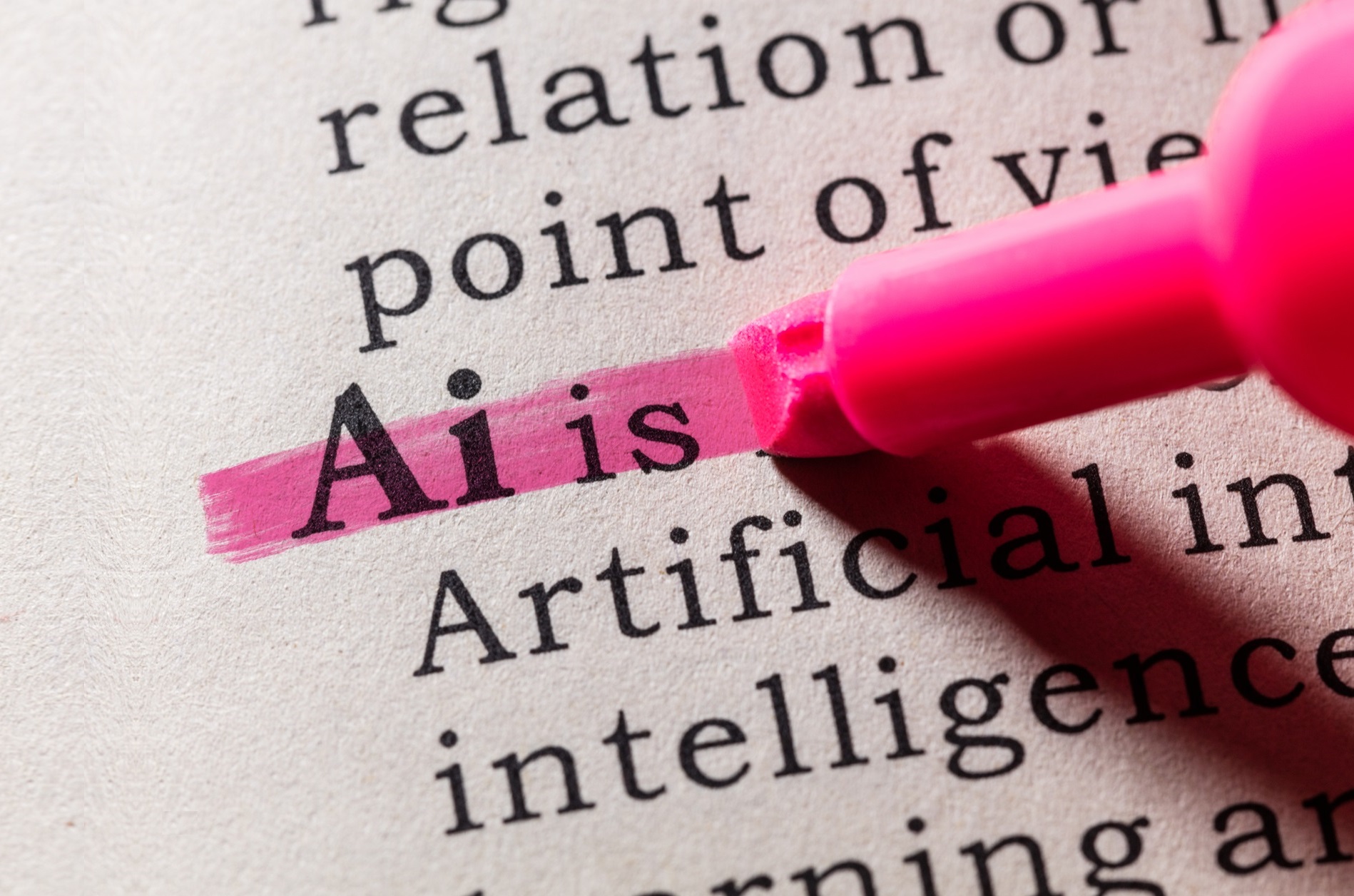
Professor Pei Wang | Defining AI to Ensure Effective Research and Policymaking
Artificial intelligence – or AI – is receiving increasing attention for its rapid development and potential to change society. Researchers are working hard to develop its capabilities, while regulators are racing to ensure it is managed and governed properly. But what do we mean by AI, and how can we define such a complex term? In a recent paper, Professor Pei Wang at Temple University argues that the lack of an agreed definition makes it difficult for policymakers to assess what AI will be capable of in the near future, or even which kinds of AI are desirable. To combat this, he discusses what makes a robust definition, and suggests his own.

Professor Ann Nevile | What Evidence Do Policymakers Need to Make Robust Decisions?
Policy decisions are influenced by many factors, from the ideology of the policymaker and their advisors to political expediency. Most would also agree that key political decisions should be evidence-based. However, this is easier said than done. Understanding what evidence policymakers need, and how they should evaluate this, is key for more robust decision-making.

Professor Andrea Nanetti | Heritage Science: Seeing Beyond What Is Thinkable to Address 21st Century Challenges
The United Nations’ 17 Sustainable Development Goals outline the massive challenges humanity must face to survive on Planet Earth in the 21st Century. All knowledge and experiences accumulated by human societies across time and space could be essential to address these grand challenges. Thus, we should find a way to make this knowledge readily available wherever and whenever decision-makers, heritage stakeholders, and scholars might need it. Professor Andrea Nanetti, an award-winning and internationally recognised expert in Digital Humanities, recently published an open-access paper exploring the opportunities and challenges of using artificial intelligence and machine learning algorithms to leverage human heritage and empower societies to see beyond what is thinkable.

Professor Radu Mares | Exploring the UN’s Role in Regulating Transnational Corporations
The importance of the EU in global governance has been well researched. However, systematic analysis of the way it interacts with other international organisations has been side-lined. To address this gap, Axel Marx the University of Leuven and Oliver Westerwinter at the University of St. Gallen introduce a special issue of the Journal of European Integration. The research published in this issue explores how the EU interacts with different types of global governance institutions.
Axel Marx | Oliver Westerwinter – Understanding How the EU Interacts with Global Governance Institutions
The importance of the EU in global governance has been well researched. However, systematic analysis of the way it interacts with other international organisations has been side-lined. To address this gap, Axel Marx the University of Leuven and Oliver Westerwinter at the University of St. Gallen introduce a special issue of the Journal of European Integration. The research published in this issue explores how the EU interacts with different types of global governance institutions.
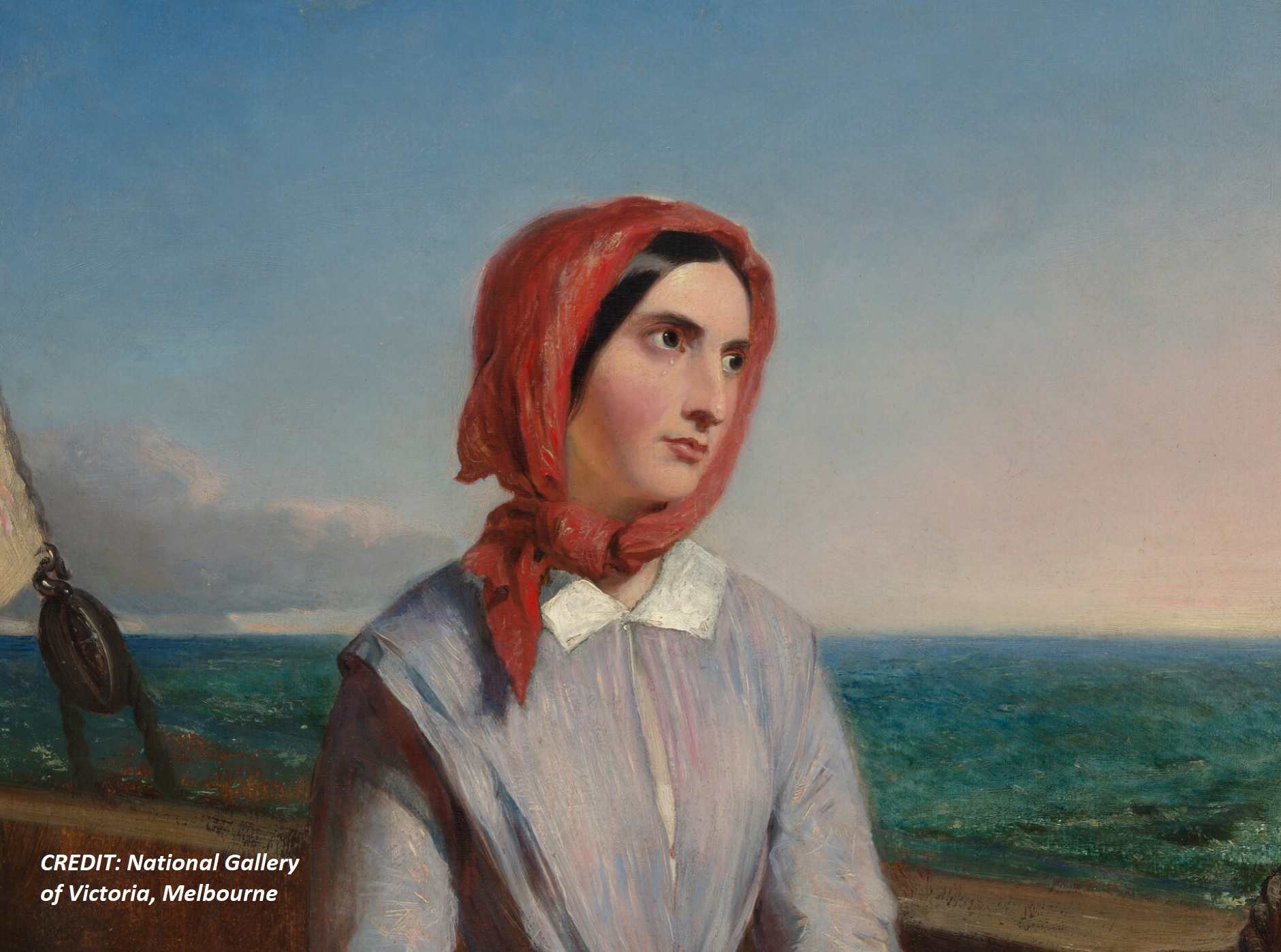
Dr Tony Ward | Why Do Many Migrants Retrace their Steps? Clues from 19th Century Australia
Migrants travel hopefully, dreaming of better lives. Some are successful, some less so. Many in both groups ultimately decide to return to their home country. Dr Tony Ward, a University of Melbourne historian, is himself a migrant, and descended from a family that returned from Australia. He sought out other stories of return migration from Australia to the UK in the 19th Century. His studies shed light on more general questions. How many migrants return? Which migrants are more likely to make the trip home? And why?

Professor George Micajah Phillips | What Early-20th-Century Writers Can Teach Us About Life During Environmental Uncertainty
A new way of reading and engaging with modernist authors such as Virginia Woolf and Karel Čapek might help us to better understand our time of environmental uncertainty. In his recent paper, Professor George Micajah Phillips of Franklin College draws on formalism and material feminism to argue for a new approach in modernist studies, which he terms ‘formalist materialism’. This approach may enable us to engage with early-twentieth-century modernist texts in fascinating new ways, helping us to form fresh understandings of climate change, outside of standard, crisis-oriented narratives.
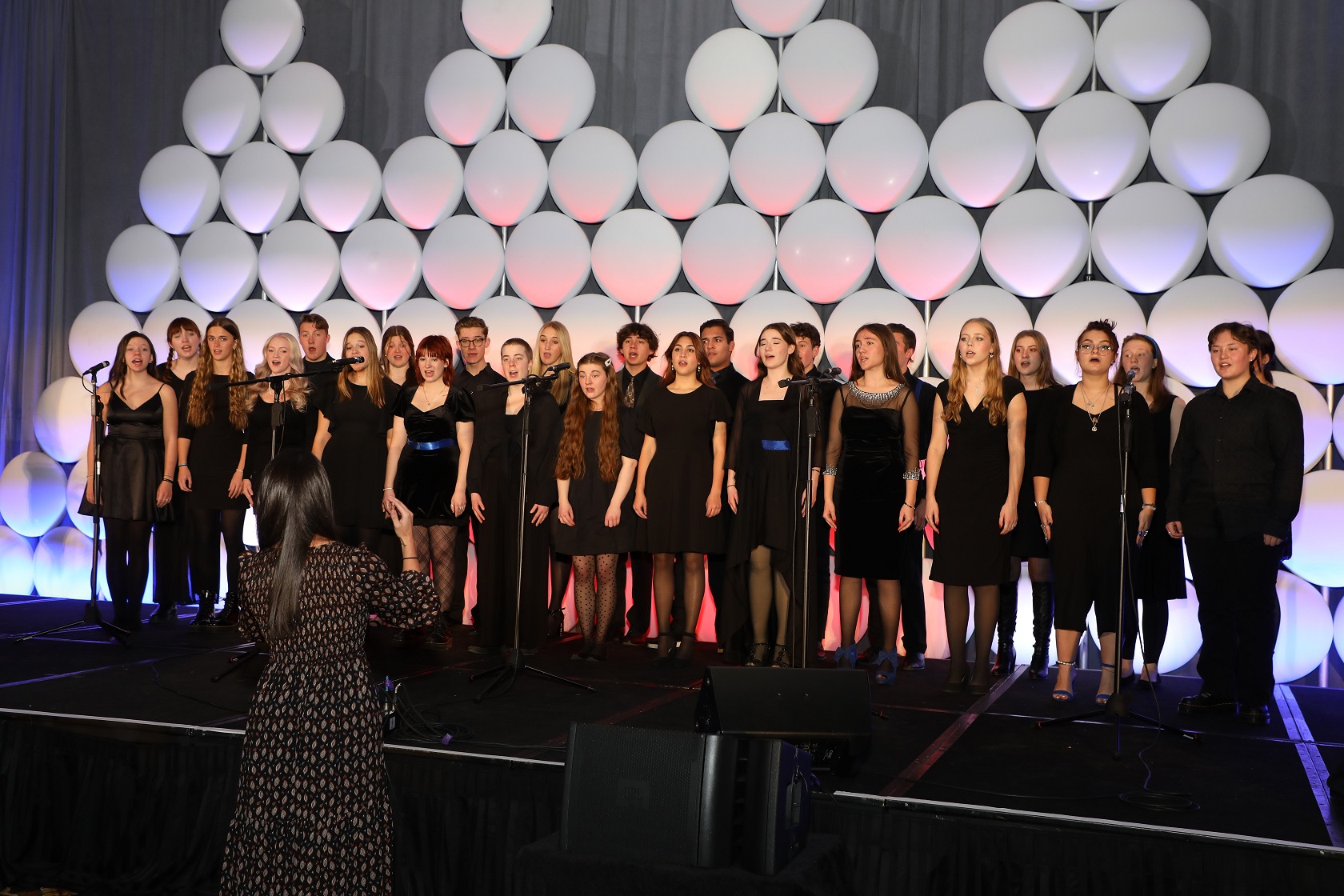
Austina Lee | Gareth Dylan Smith – The Role of Love and Community in American Schools
Capitalism and neoliberalism inform the way in which children in the USA are schooled. Mainstream education prioritises standardisation and conformity, and may not help students develop a sense of themselves, or tools to create good relationships with others. In a recent paper, teachers Austina Lee and Gareth Dylan Smith explore how this can be challenged through ‘punk’ pedagogy. They use the case study of a high-school choir to demonstrate how their ideas can be put into practice.
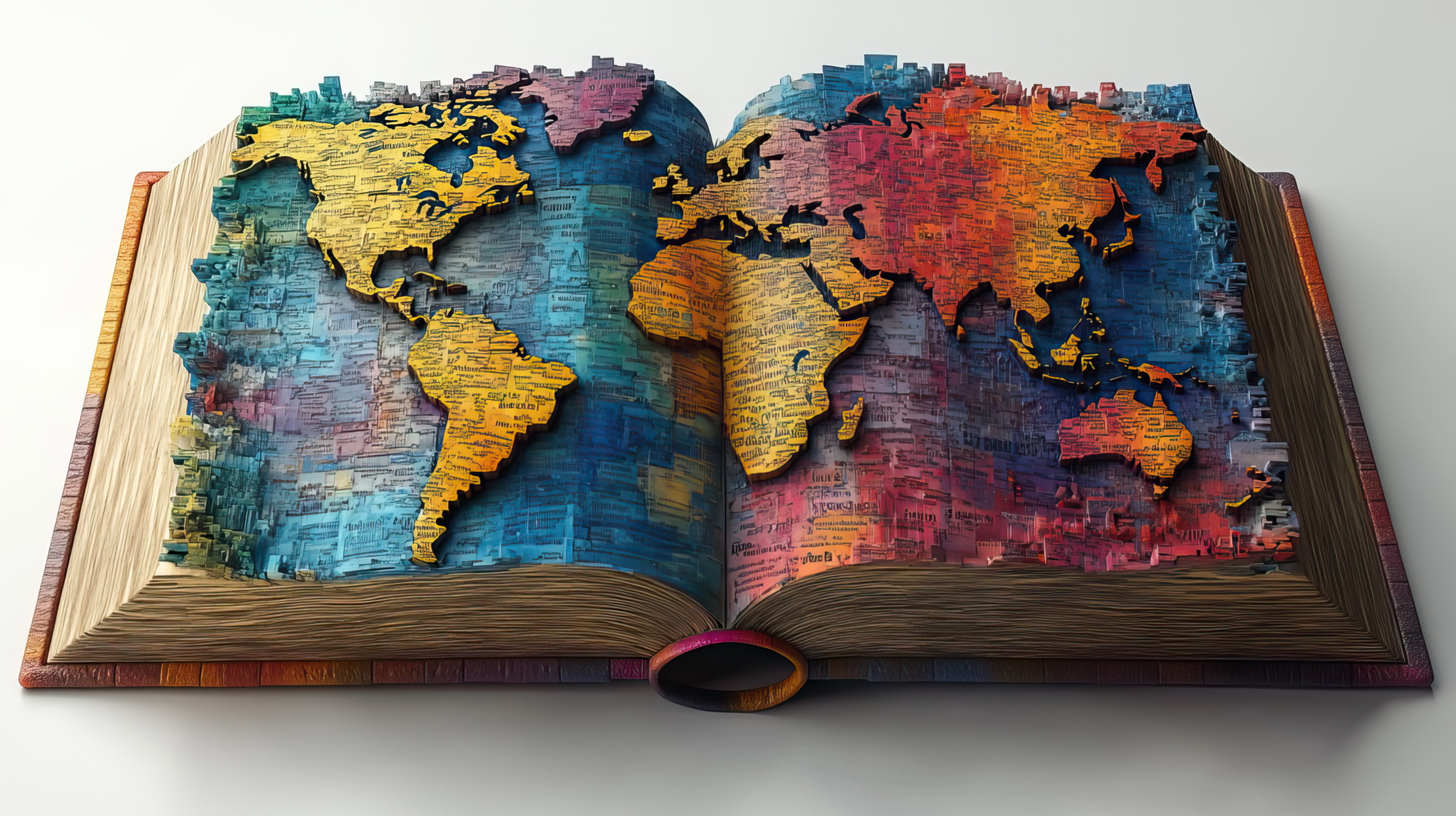
Dr. Angel Ford – Dr. Daniel Alemneh | Amplifying Global Voices: The Fight for Fairness in Scholarly Communication
In our increasingly interconnected world, sharing knowledge freely and fairly is crucial for ongoing development and progress. Increasing the overall size of our store of knowledge is important in dealing with the challenges we face in the modern world, but determining who can access and add to that knowledge is a key question. Prestigious academic journals and global conferences aim to help disseminate our most important discoveries and innovations, but researchers do not have equal access to such resources to promote their ideas and consequently not all voices are heard equally. Scholars from low- and middle-income countries continue to face invisible walls that limit their participation in the global exchange of ideas. This systemic imbalance is the focus of a deeply insightful study by Dr. Angel Ford of the University at Albany and Dr. Daniel Alemneh of the University of North Texas, who call for a more just and healthier scholarly communication system.

Dr Aikaterini-Christina Koula | How the law is used to silence Human Rights Defenders
Research from Dr Aikaterini-Christina Koula at Manchester Metropolitan University reveals how legal systems are increasingly being weaponized to silence human rights defenders, particularly in Europe. Her work introduces a taxonomy of violations perpetrated through the legal system and demonstrates how these tactics deviate from human rights standards, offering valuable insights for academics, practitioners, and defenders alike.
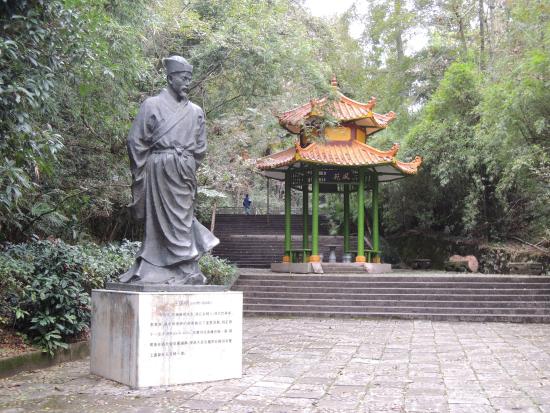
Professor Germaine A. Hoston | How Traditional Chinese Philosophy Shaped Modern Revolutionary Thought
Research from Professor Germaine A. Hoston at the University of California, San Diego, reveals how traditional Chinese philosophical idealism influenced the development of Chinese Marxism. Her findings demonstrate that despite their rejection of China’s feudal past, key Chinese Marxist theorists like Li Dazhao and Mao Zedong incorporated elements of Neo-Confucian idealism into their revolutionary philosophy. This “sinification” of Marxism drew particularly on concepts of consciousness, will, and the unity of knowledge and action from traditional Chinese thought, creating a uniquely Chinese revolutionary philosophy that challenged Soviet economic determinism.
Professor Tristan Nighswander – Professor Ariel Roddy | Mixed Signals: Employment Training Outcomes for Previously Incarcerated Individuals
Research from Professors Tristan Nighswander and Ariel Roddy at Northern Arizona University examines the effects of pre-employment training on employment outcomes for previously incarcerated individuals through the lens of two economic theories. Their findings reveal that while training significantly improves employment outcomes for the general population, it shows no meaningful benefit for those with incarceration histories. Even more surprisingly, high-ability individuals (defined through scores on an aptitude test called the Armed Forces Qualification Test, or the AFQT) with past incarceration may actually experience negative employment effects. This highlights the complex challenges of societal re-entry.

Defending Authentic Leadership: A Response to Critical Claims
A recent paper from Professor William Gardner at Texas Tech University and Professor Kelly Davis McCauley at West Texas A&M University challenges a critique that characterized authentic leadership theory as “wrong” and “perilous.” Their analysis demonstrates how misrepresentations of the theory can undermine valuable leadership approaches, while highlighting the empirical support and practical benefits of leaders striving for authenticity in organizational settings.