
by Iliyah Maddox | Jan 17, 2025 | arts and humanities, biology, social and behavioural sciences
Research by Professor Magnus S. Magnusson at the University of Iceland demonstrates surprising similarities between the organization of cellular protein networks and of human societies. He reveals how the invention of writing and, very recently, general education, transformed human civilization in ways that mirror ancient biological developments and emphasises how this makes humans unique.

by Iliyah Maddox | Jan 16, 2025 | arts and humanities
Research by Professors Bernd Schlipphak and Oliver Treib, both of the University of Münster, along with Doctor Constantin Schäfer of ifok GmbH, Germany, reveals how people’s sense of global identity influences their support for international organizations. Their work demonstrates that reforms to international organizations can have opposing effects on different groups of citizens, potentially increasing societal divisions about global cooperation.

by Iliyah Maddox | Dec 2, 2024 | arts and humanities, education & training
Learning a new language as an adult is challenging, especially when the new language has features that differ significantly from one’s native tongue. This phenomenon is key to a new study led by Professor Shanshan Yan at Peking University, which examines how language learning is affected when learners encounter features in their second language that are similar to those in their first language.

by Iliyah Maddox | Nov 29, 2024 | arts and humanities
The transition from the Middle to Upper Paleolithic in Europe marks a pivotal period in human evolution, with the replacement of Neanderthals by anatomically modern humans. A new study by Nicolas Teyssandier, Director of Research at the French National Center for Scientific Research (CNRS) and vice director of the TRACES laboratory at the Toulouse Jean Jaurès University examines the archaeological evidence for this transition and attempts to reconcile it with recent discoveries, shedding new light on this complex period of cultural and biological change.
by Iliyah Maddox | Nov 7, 2024 | arts and humanities
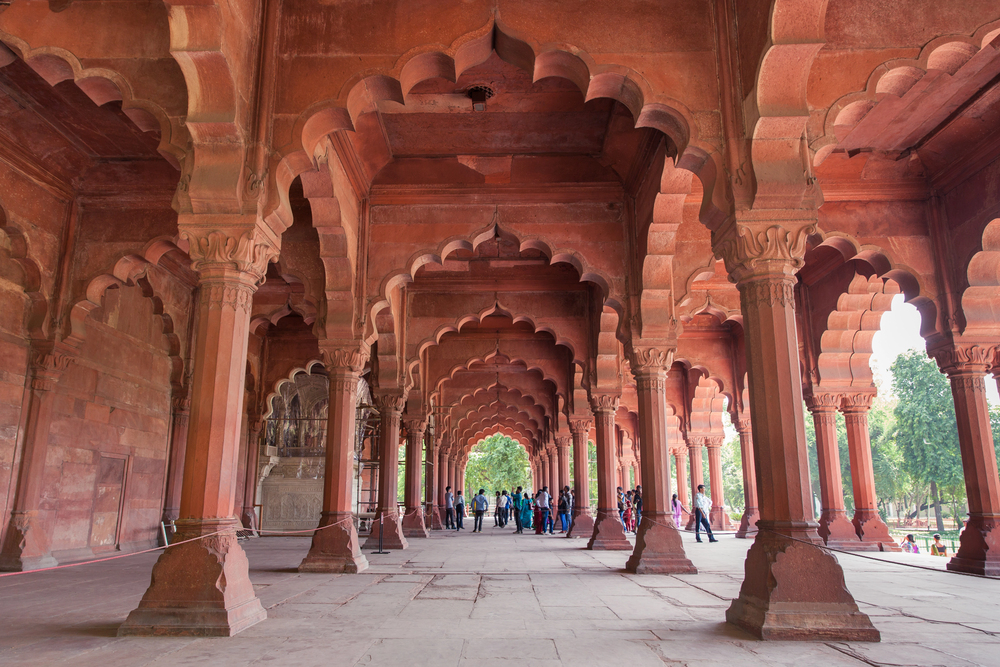
In his book India in the Persianate Age, historian Professor Richard M. Eaton of the University of Arizona challenges long-held assumptions about India’s history from 1000 to ca. 1800 CE. By examining the complex interactions between Persian and Sanskrit cultural spheres, Eaton offers a fresh perspective on this pivotal period, shedding light on the dynamic processes of cultural exchange and integration that shaped the subcontinent.

by Iliyah Maddox | Oct 30, 2024 | arts and humanities
Bronze vessel casting technology in ancient China’s Shang Dynasty has long been of interest to archaeologists. Assistant Professor Wen Yin (Elaine) Cheng at Wilfrid Laurier University has shed new light on the knowledge and organisation of artisans who made these pieces. By analysing bronze vessel casting moulds, she has uncovered intricate production sequences that offer fresh insights into the social dynamics of this ancient civilization beyond the elite class typically depicted in historical records.