
An Integrated Approach To Fighting Inflammatory Bowel Disease – Dr Claudio Fiocchi, Lerner Research Institute, Cleveland Clinic
Original Article Reference
https://doi.org/10.26320/SCIENTIA226
Share Episode

About this episode
This work is licensed under a Creative Commons Attribution 4.0 International License. 
What does this mean?
Share: You can copy and redistribute the material in any medium
or format
Adapt: You can change, and build upon the material for any
purpose, even commercially.
Credit: You must give appropriate credit, provide a link to the
license, and indicate if changes were made.
Related episodes
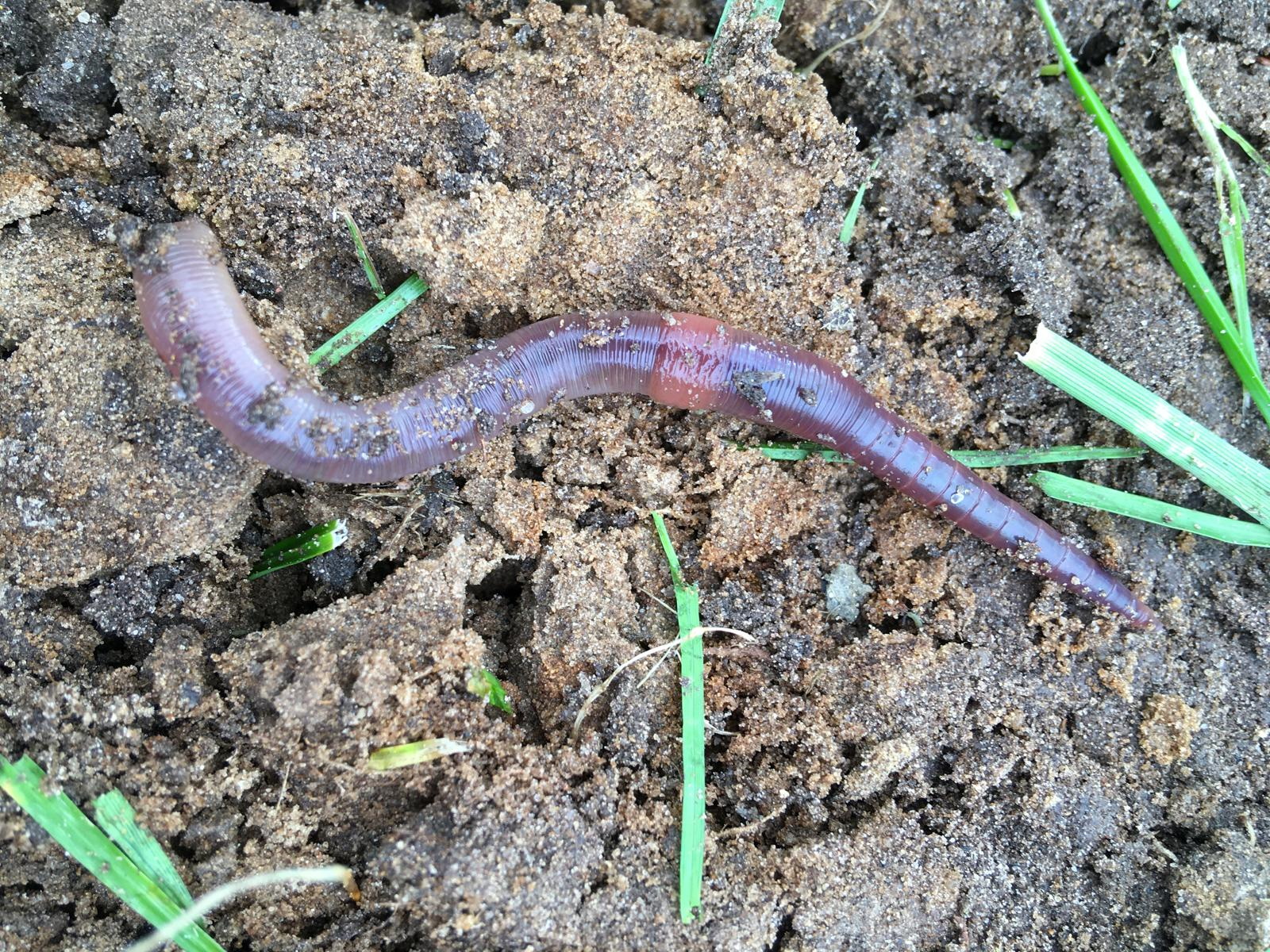
Roos van de Logt | Hidden Engineers: How Earthworms Could Help Us Weather a Changing Climate
If you were to observe a quiet Dutch pasture, you might not guess that one of the most important climate-resilience workers in the landscape is silently engineering the soil beneath the grass. However, just below your feet, an unassuming creature plays a role in buffering floods, preserving crops during droughts, and quietly maintaining the natural plumbing system of the land. This creature is the humble deep-burrowing earthworm, Lumbricus terrestris (or L. terrestris for short). In recent years, researcher Roos van de Logt of the Louis Bolk Institute, and colleagues, have been uncovering the surprisingly complex story of this earthworm. Their findings suggest that supporting, and in some cases reintroducing, L. terrestris could be a powerful, nature-based tool for helping European grasslands adapt to intensifying climate extremes.
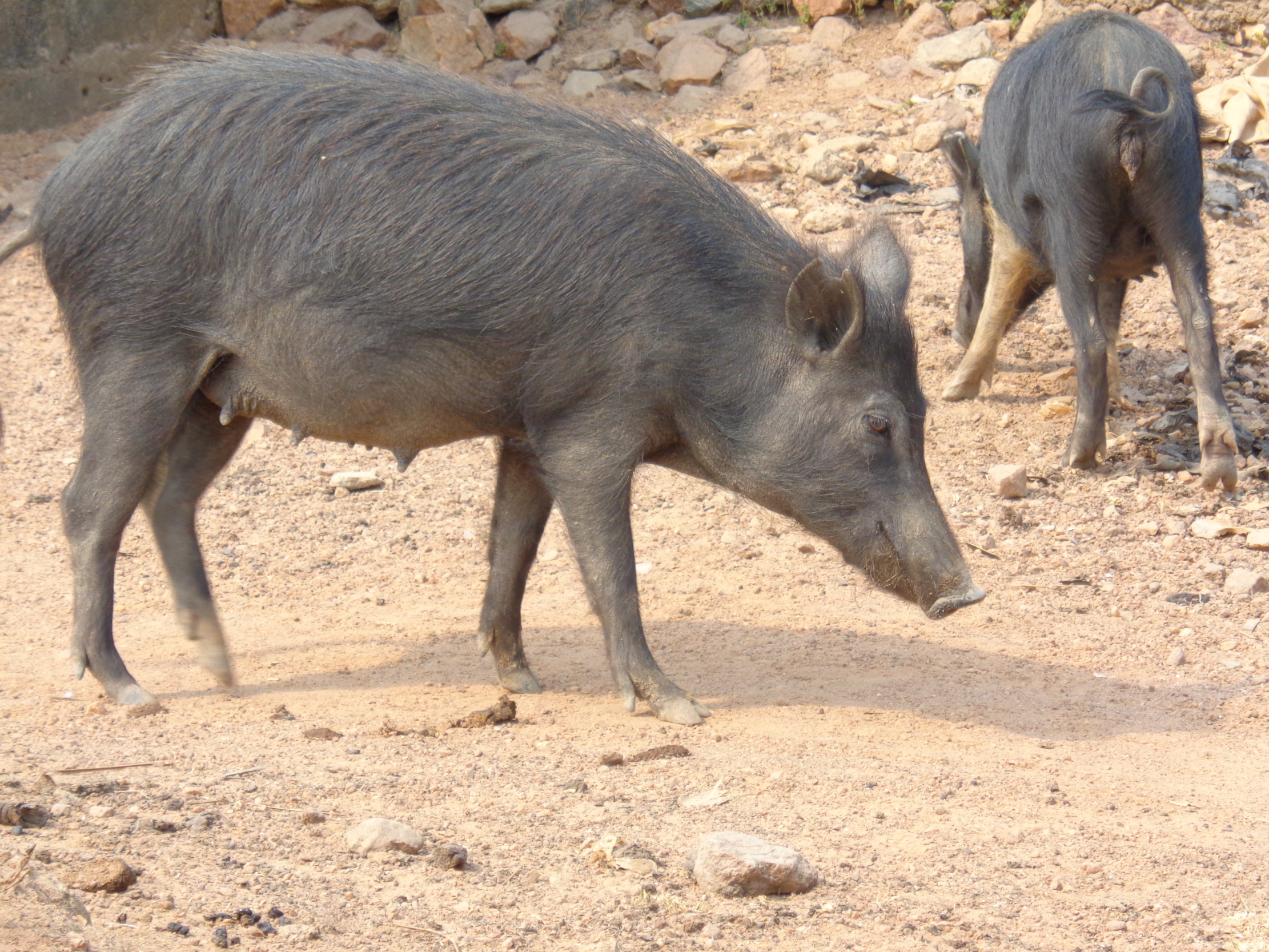
Associate Professor Adeniyi Charles Adeola | History Written in Base-Pairs: The Hidden Stories in African Pig Genomes
Africa is often described as a continent of extremes. Vast deserts give way to lush rainforests; humid coastlines sit beside high, cool plateaus; ancient savannas stretch for thousands of kilometers. Life in Africa has always existed at the edge of change, shaped by heat and drought, abundance and scarcity. Survival here has never been guaranteed, it has had to be earned, generation by generation, through adaptation. Nowhere is this long story of adjustment and resilience written more clearly than in DNA.
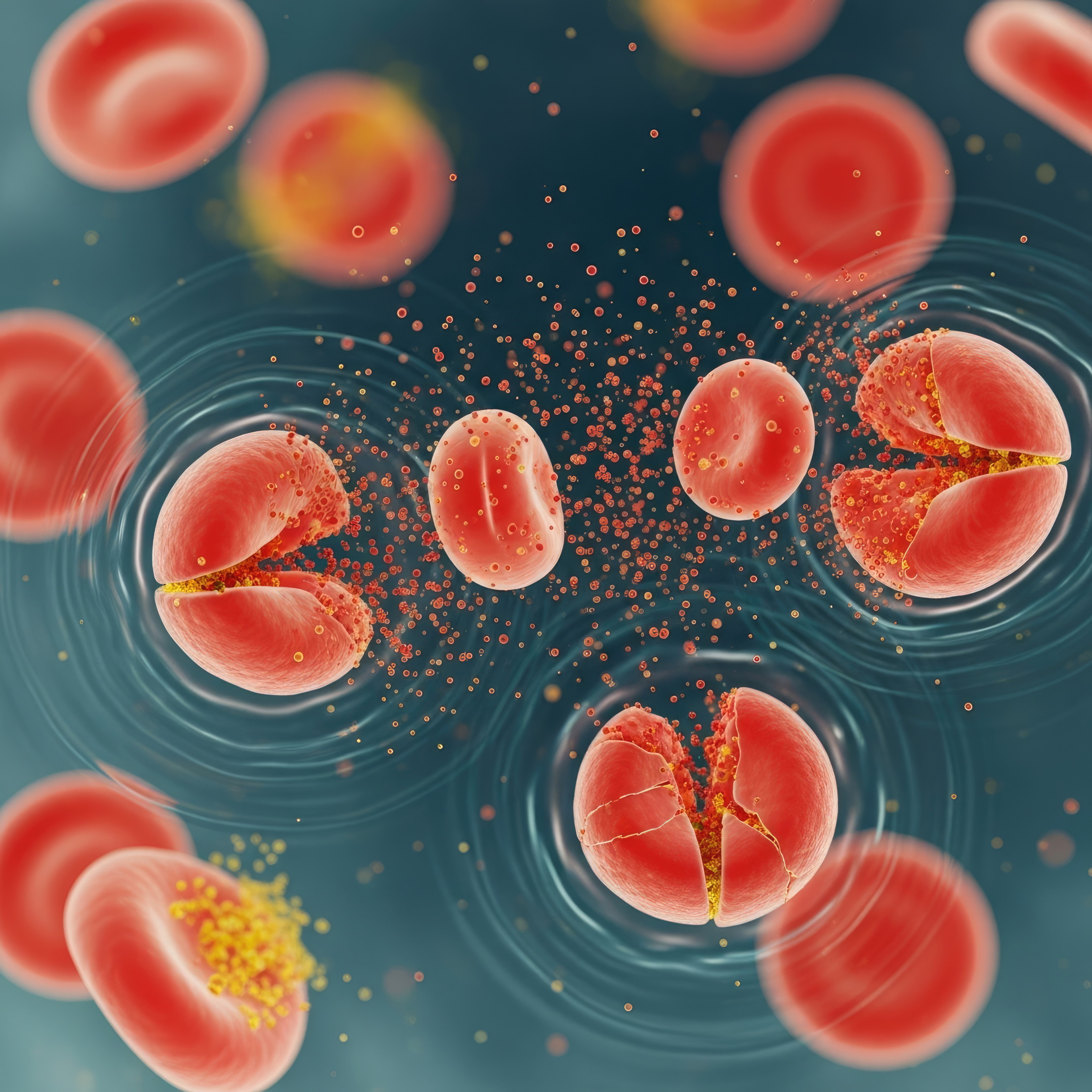
Dr. Jürgen Gailer | Linking the Blood Chemistry of Metals with Adverse Human Health: New Tools Reveal an Invisible World
Researchers Maryam Doroudian and Jürgen Gailer from the University of Calgary explore what happens when red blood cells rupture and release a zinc-containing enzyme called carbonic anhydrase 1 into the bloodstream, revealing that it remains unexpectedly free and may influence vascular health. Their work also connects to broader research showing how liquid chromatography is transforming our ability to study toxic cadmium and mercury as they move through the body. Together, these studies uncover hidden biochemical processes that shape how environmental pollutants and blood-cell damage affect human health.
Dr. Reginald O’Hara | Regulating Resilience: Caffeine, Neuromodulation, and the Biology of Performance
In an era defined by constant pressure, chronic stress, and escalating performance demands, the question of how humans sustain physical and mental effectiveness has never been more urgent. From soldiers operating under sleep deprivation and extreme physical strain to civilians navigating relentless workloads and psychological stress, fatigue has become the defining challenge of modern life. However, fatigue is not simply a matter of willpower or motivation; it is a complex biological signal arising from the interaction of muscles, metabolism, the brain, and the autonomic nervous system. Recent research, including work led and coauthored by Dr. Reginald O’Hara, Director of the Applied Health and Performance Division at Sophic Synergistics in Houston Texas, and former Director of the Military Performance Laboratory at Brooke Army Medical Center and the Air Force Research Laboratory, offers a more sophisticated understanding of how performance can be preserved, without pushing the human body beyond its safe limits.
Increase the impact of your research
• Good science communication encourages everyday people to be scientifically literate so that they can analyse the integrity and legitimacy of information.
• Good science communication encourages people into STEM-related fields of study and employment.
• Good public science communication fosters a community around research that includes both members of the public, policymakers and scientists.
• In a recent survey, 75% of people suggested they would prefer to listen to an interesting story than read it.
Upload your science paper
Step 2
SciPod script written
Step 3
Voice audio recorded
Step 4
SciPod published